Scalloped hammerhead sharks, listed as critically endangered, have received expanded international protections under the Convention on the Conservation of Migratory Species after Ecuador's proposal at the 2026 meeting. Filmmaker Bertie Gregory shared the outcome in an Instagram Reel, noting the sharks' long migrations across national borders and the need for coordinated safeguards. The ruling aims to close protection gaps across the species' range, but experts warn strong enforcement and international cooperation are essential for recovery.
Scalloped Hammerhead Sharks Win Full-Range Protection Under CMS After Ecuador's Push
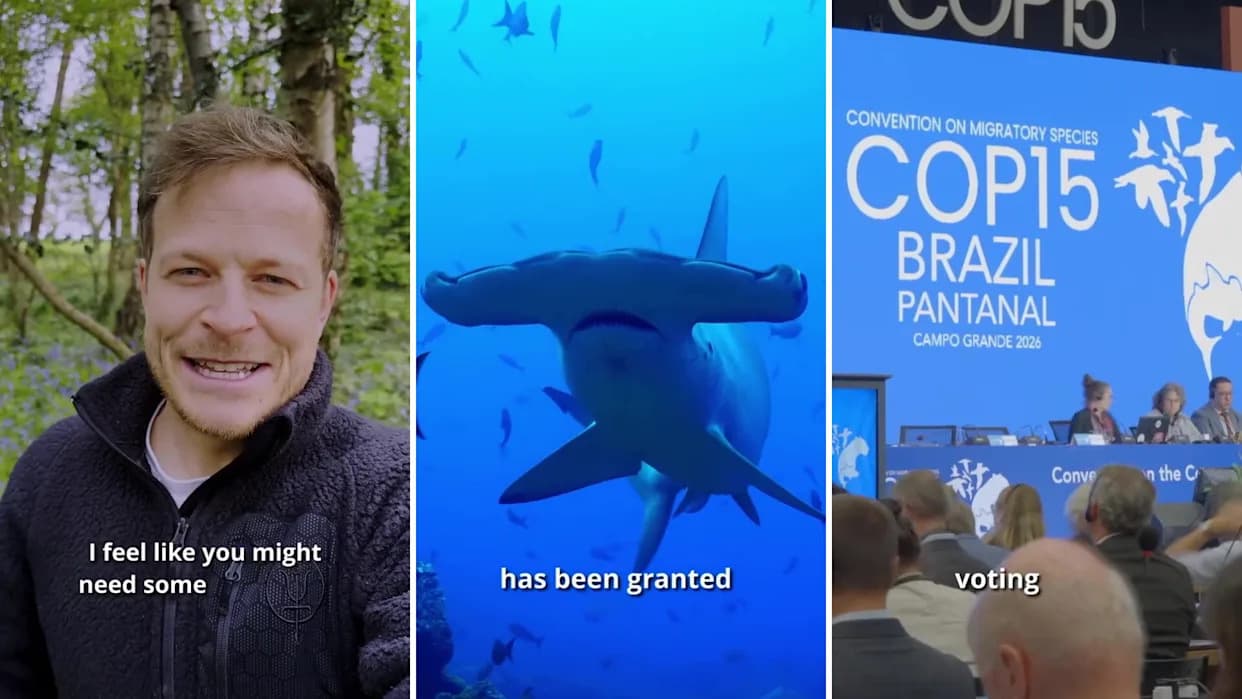
Photo Credit: Instagram
Critically endangered scalloped hammerhead sharks have been granted stronger international protections under the Convention on the Conservation of Migratory Species of Wild Animals (CMS) following a proposal led by Ecuador at the 2026 meeting.
Wildlife filmmaker Bertie Gregory highlighted the decision in an Instagram Reel, calling the vote a milestone for a species that travels across vast swathes of ocean and through multiple national jurisdictions.
What the Ruling Means
The CMS decision extends coordinated safeguards across the scalloped hammerhead's migratory range, aiming to close protection gaps where the species previously moved through waters with limited or no specific protections.
"The fishing industry must now stop exploiting this critically endangered species," Gregory said, calling the outcome "a big win for the planet" while stressing that further action is needed.
Because scalloped hammerheads routinely cross international borders, effective conservation requires consistent rules and strong enforcement by all range states and regional fisheries bodies. Legal protections will only help if governments implement, monitor and enforce them to reduce fishing pressure, bycatch and illegal trade.
Why It Matters
Scalloped hammerheads are important top predators that help maintain healthy marine ecosystems. Their recovery can improve ocean resilience and benefit coastal communities dependent on fisheries and tourism. Protecting migratory species also demonstrates how international cooperation can address threats that cross borders.
The social-media response to the announcement was largely celebratory, with users congratulating Ecuador and sharing personal encounters with the species, including dives in the Galápagos.
Next steps: Range states must translate the CMS ruling into national measures, boost monitoring and scientific monitoring, reduce bycatch and illegal fishing, and cooperate on enforcement to turn protections on paper into measurable population recovery.
Help us improve.