France and Switzerland have mobilised large security forces ahead of the G7 summit in Evian-les-Bains, with a No-G7 demonstration in Geneva on Sunday acting as an early test. Nearly 16,000 French security personnel will guard Evian and surrounding routes, while Switzerland plans to deploy roughly 4,000 troops to support cantonal police. Authorities have restricted protest routes and imposed conditions that led to the cancellation of a planned counter-demonstration in Annemasse. The heightened measures are designed to prevent a repeat of the violent unrest that followed the 2003 summit.
G7 Summit Prompts Massive Security Deployment As Geneva Protest Serves Early Test
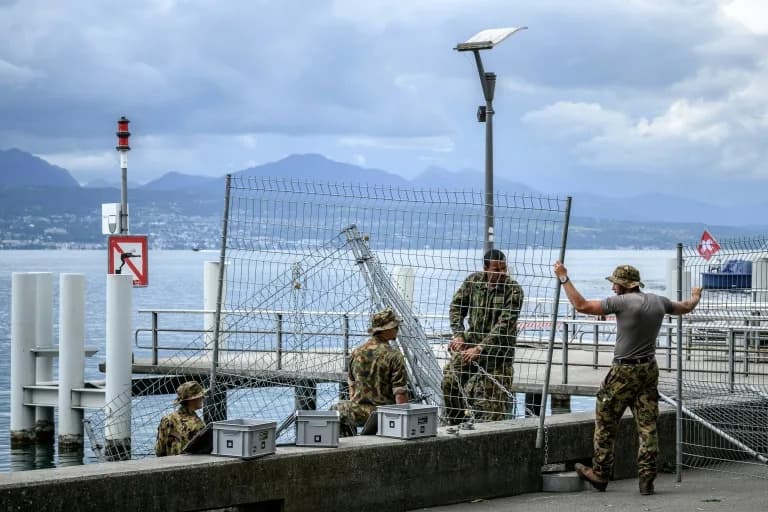
Swiss soldiers installing security fencing along the shore of Lake Geneva in Lausanne, ahead of the Evian G7 summit (Fabrice COFFRINI)(Fabrice COFFRINI/AFP/AFP)
France and Switzerland have bolstered security on both sides of Lake Geneva ahead of the G7 summit in Evian-les-Bains, with a planned No-G7 demonstration in Geneva on Sunday seen as an early test of the arrangements.
Many residents and officials still recall the violent scenes that followed the 2003 summit in Evian, when rioting and clashes in Swiss cities including Geneva and Lausanne caused widespread damage. Both governments say they are determined to prevent a repeat as world leaders meet from Monday.
Large-Scale, Cross-Border Security Measures
Evian’s position between the lake and the Alps creates particular security challenges. Geneva Airport will be the main arrival point for visiting leaders, and several delegations will be based in Switzerland, requiring close cross-border coordination.
French authorities are responsible for the immediate protective perimeter around the summit site. Reinforced security zones cover Evian, nearby Thonon-les-Bains and the main transport routes into the area. The Haute-Savoie regional prefecture said nearly 16,000 French police, gendarmes, troops, firefighters and border guards will be mobilised, using boats, motorcycles and drones alongside mounted police and dog-handling units.
"The deployment aims to address the risk linked to the extremely tense international context — the terror threat, the risk of sabotage and cyber-attacks, and public order disturbances," said Government Prefect Emmanuelle Dubee.
At the far end of the lake, Geneva lies roughly 40 kilometres (25 miles) southwest of Evian. Switzerland has authorised the deployment of between 2,000 and 5,000 military personnel to "support" cantonal police forces; around 4,000 Swiss troops are expected to operate on land, on Lake Geneva and in the air, coordinating closely with French military units.
Impact On Locals And Protesters
The heavy security presence means traffic restrictions, some border crossing closures, heightened security checks and tighter limits on the right to protest for residents on both sides of the border. Many shopkeepers in Geneva have already boarded up storefronts, including businesses located away from the approved demonstration route.
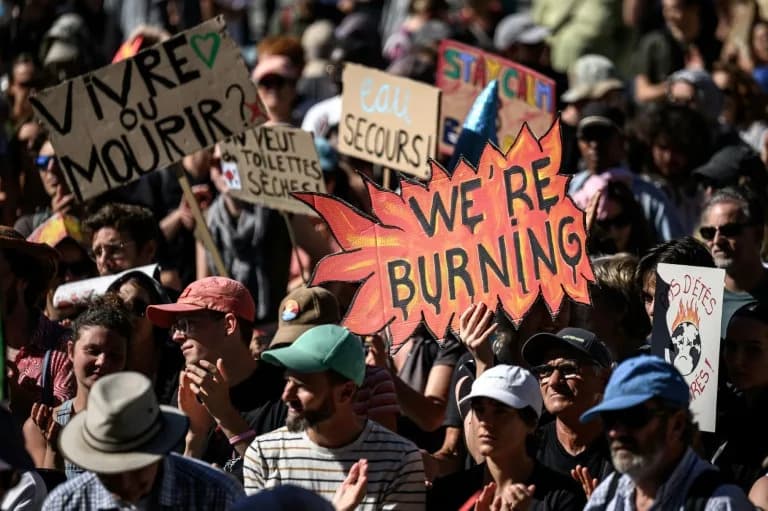
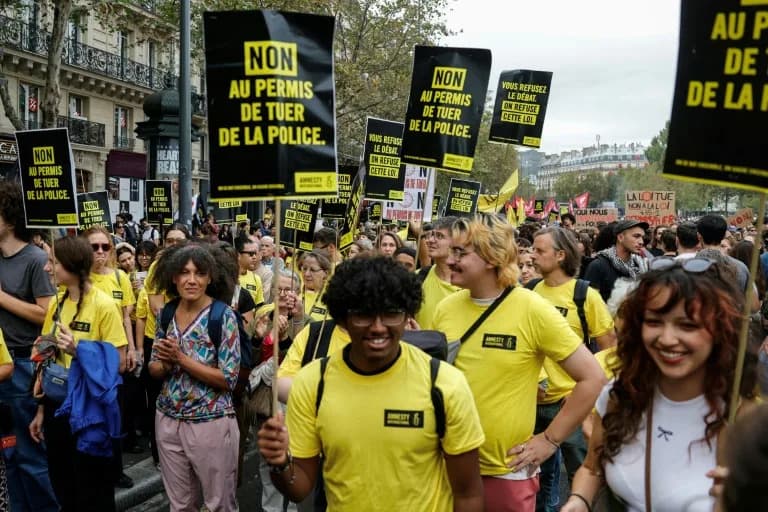
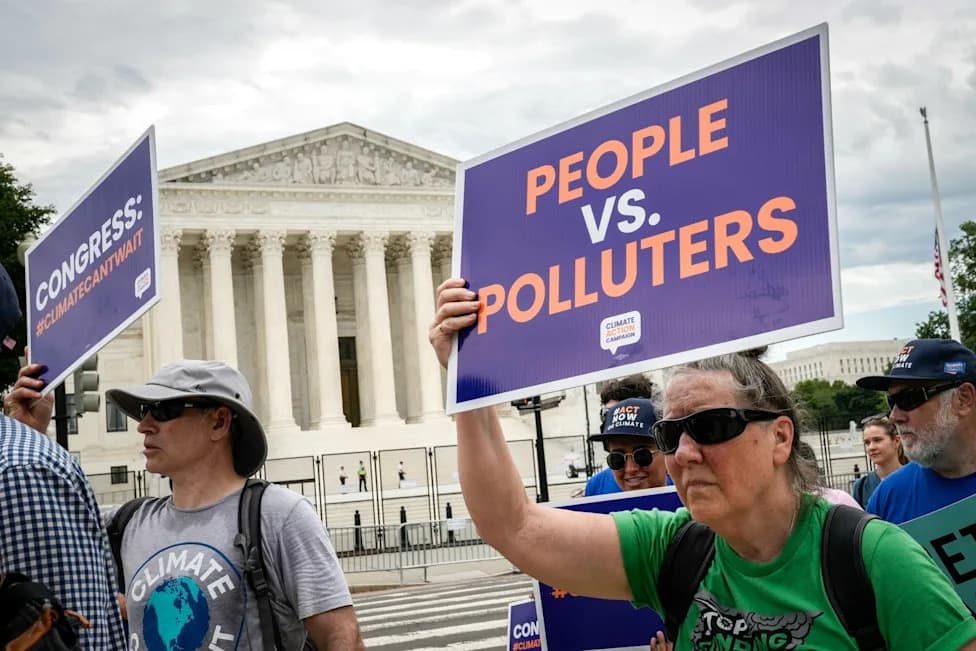
Geneva authorities have authorised a No-G7 march to take place the day before the summit begins. The coalition of more than 60 organisations initially described the proposed route as "very problematic." The route keeps protesters on the north side of the lake and, despite revisions, still passes through a major roadworks area in front of the United Nations building.
"Geneva must not become the capital of rioters," said Francois Baertschi, president of the Geneva Citizens' Movement and a member of the cantonal parliament.
No-G7 member Francoise Nyffeler said organisers had made concessions to reach an agreement: "The new route is still absurd... but it is acceptable." Organisers insist the action will be peaceful, while authorities remain vigilant against potential infiltration by radical elements.
Because of conditions imposed by French authorities, the No-G7 coalition in France has abandoned plans for a counter-summit and demonstration in the border town of Annemasse on Sunday.
Swiss President Guy Parmelin told the Geneva Press Club in May: "We are doing everything we can to ensure it goes as smoothly as possible. It's not quite the same situation as in 2003 — things should turn out differently, although we can never rule out the unexpected."
Help us improve.