French authorities are introducing new rules for the 105‑mile Tour du Mont Blanc after visitor numbers surged and reports of damaging or rude behaviour increased. From next summer, wild camping on the circuit will be banned and hikers must show proof of booked accommodation; designated campsites will provide toilets and water. Officials will also restrict the transport of large wheeled suitcases while permitting transfers of essential trekking bags to protect trails, refuges and the environment.
Mont Blanc Crackdown: France Bans Wild Camping and Targets Bad Behaviour on Popular 105‑Mile Trek
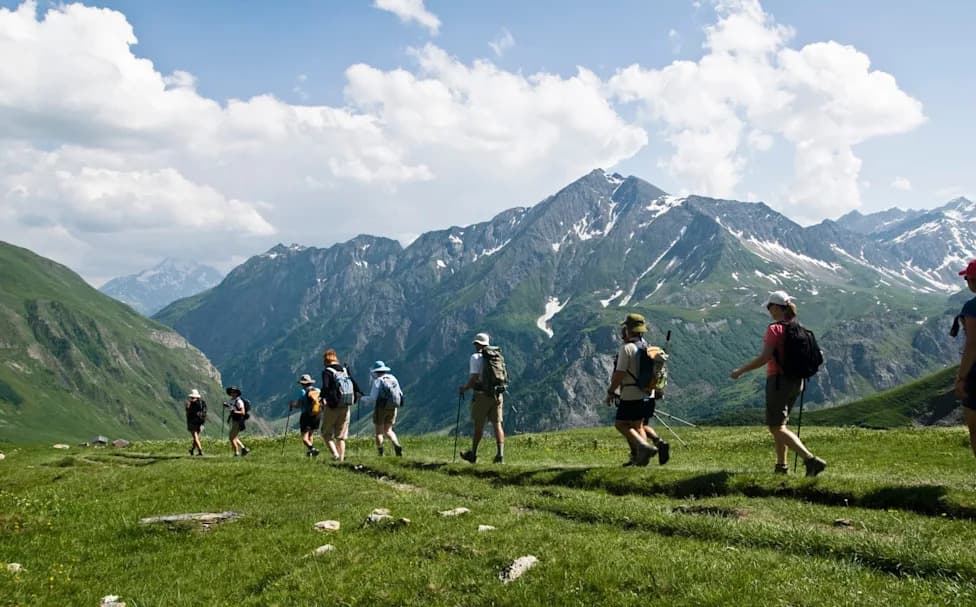
A group of hikers trek across a mountainside on the route circling Mont Blanc - Cavan Images/R. Tyler Gross
French authorities are imposing stricter rules on the Tour du Mont Blanc after a social-media-driven surge in visitors and repeated reports of disrespectful or environmentally harmful behaviour along the 105‑mile circuit that crosses France, Italy and Switzerland.
New Measures
From next summer, walkers will need to show proof of booked, recognised accommodation for the circuit. Wild camping on the Tour du Mont Blanc will be prohibited; designated campsites will be provided with toilets and water. Officials also plan to curb the practice of transporting large wheeled suitcases between stages while continuing to allow transfers of essential trekking bags. Seven French municipalities have agreed the outline of these rules with refuge owners, guides, campsite operators, transport companies and central government.
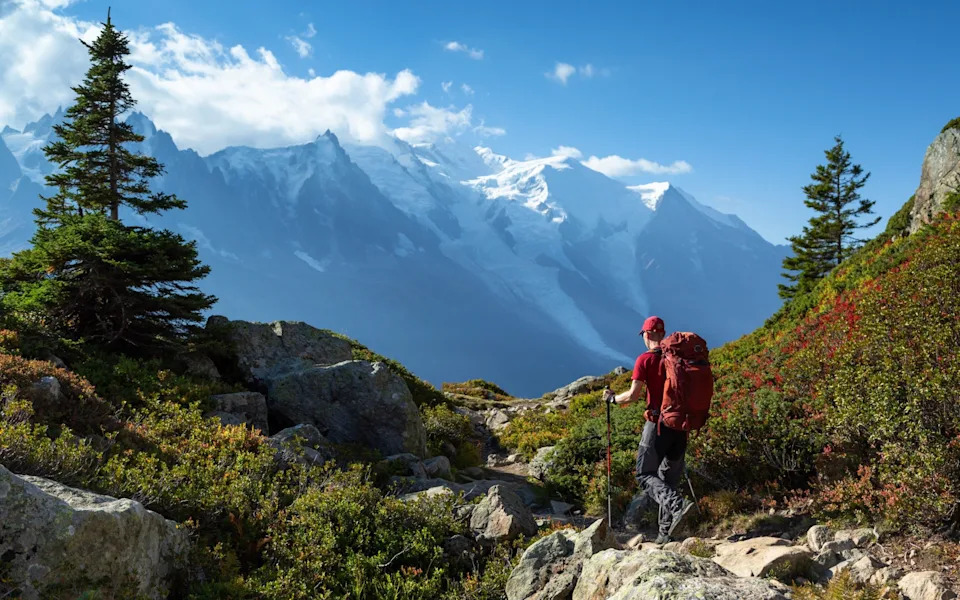
From next summer wild camping will be prohibited on the Mont Blanc circuit - iStockphoto
Why The Rules
Authorities say the route has seen a sharp rise in visitors: more than 90,000 people walked the circuit this summer compared with 36,000 in 2019. The trail involves roughly 32,800 feet (about 10,000 metres) of cumulative ascent and is now the Alps’ most popular long-distance trek. Officials say overcrowding and poor conduct—including reports of people defecating in fields and hand-feeding wild ibex—are damaging the environment, undermining the experience for others and straining refuge services.
"Faced with these excesses, we are showing that the 'anything goes' approach is over," said Jean‑Marc Peillex, mayor of Saint‑Gervais and president of the Mont Blanc association of communes. "We're not banning access, but we are bringing it under control."
Local hosts have reported a range of problematic behaviours: hikers wheeling large suitcases that are shuttled by taxi between refuges, and some claiming to have completed the circuit after skipping sections by car. Officials say the new rules are intended to restore the value of the trek, protect fragile mountain environments and reduce queues and congestion on narrow alpine paths.
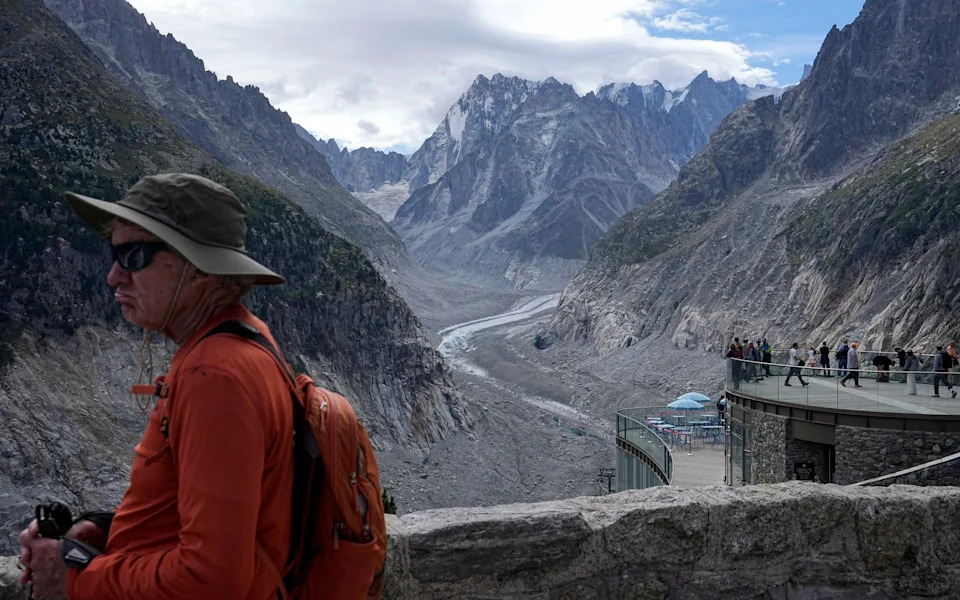
A view of the Mont-Blanc massif mountains and the 'Mer de Glace', the largest glacier in France - AP/Laurent Cipriani
Controversy And Enforcement
Mr Peillex has previously courted controversy: in August he refused a free state helicopter rescue for 32 climbers at the Goûter Refuge, arguing they had ignored warnings about dangerous rockfalls and ordering a private descent at a cost of €95 each. Mountaineering groups criticised the decision, saying some climbers had started their ascent before refuge closures took effect. Similar reservation requirements and police checks already apply on the route for the Mont Blanc ascent.
Officials emphasise the measures are not intended to close the massif to visitors but to regulate access so the Tour du Mont Blanc can be enjoyed safely and sustainably for years to come.
Help us improve.