Texas is facing a surge of interconnection requests tied to AI data centers: ERCOT logged 519 requests in two years, up from 24. The proposals total roughly 438,595 megawatts, with about 90% linked to data centers aiming to be online by 2030. Regulators are revising review processes and have emergency authority to order large, backup-powered centers to curtail grid use, while debates continue over costs, water use, and emissions. Local pushback is growing as communities weigh the trade-offs.
Texas Power Grid Faces Massive Surge After 519 AI Data-Center Connection Requests in Two Years

Photo Credit: iStock
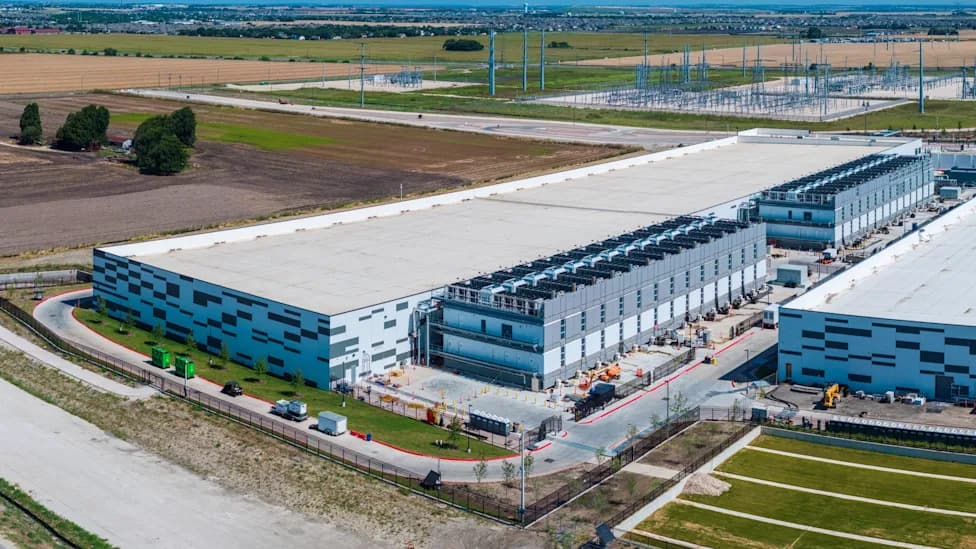
Proposed AI data centers are creating a new and immediate strain on Texas's power system as their projected electricity needs climb, The Texas Tribune reported.
Records from the Electric Reliability Council of Texas (ERCOT) through May show the grid operator received 519 interconnection requests from large power users over the past two years — a dramatic jump from 24 requests the prior year. ERCOT says most of those applications appear tied to data centers supporting the artificial intelligence boom.
Scale And Timeframe
Combined, the projects on file represent roughly 438,595 megawatts of potential demand, and about 90% of that total is linked to data centers aiming to be online by 2030. Not every proposal will necessarily be built, but the backlog remains enormous: The Tribune identified at least 248 planned data-center sites across Texas.
Pablo Vegas, ERCOT President and CEO: "An unprecedented change in the pace of growth."
Why This Matters
Advanced AI models require enormous computing power to train and run, turning the rapid expansion of data centers into a genuine power-grid issue. The expected build-out carries several trade-offs:
- Higher Electricity Demand: Large new loads can strain transmission and generation capacity and reshape planning timelines.
- Increased Water Use: A recent University of Texas at Austin white paper estimates data centers could account for 3%–9% of Texas water use by 2040, up from under 1% today — a worrying projection in a drought-prone state.
- Greater Emissions Risk: If new capacity is served largely by gas-fired generation, pollution and emissions could rise unless paired with cleaner resources.
- Customer Cost Pressure: Building new transmission and generation can raise costs for utilities and, ultimately, customers — and regulators are debating who should pay.
How Officials Are Responding
ERCOT says it is changing how it reviews interconnection requests to better assess which projects are likely to be built. State lawmakers also passed a law giving ERCOT authority to direct large, backup-powered data centers to reduce grid consumption during emergencies — a safeguard introduced after memories of the 2021 winter storm still loom large for many Texans.
Local communities have begun to push back in some areas, and regulators continue to debate who will fund the transmission lines and other infrastructure needed to serve the new demand.
Experts note that AI is not only a demand problem: it could also be part of the solution. AI tools may help optimize clean-energy systems and grid operations, but those potential benefits must be weighed against immediate reliability, water, and emissions concerns.
"This is an issue that is affecting the whole globe and certainly the country," Vegas told The Tribune. "Everybody is trying to figure out how to do this in a reliable, stable way."
Data and reporting: The Texas Tribune; analysis and projections referenced from The University of Texas at Austin white paper and ERCOT records through May.
Help us improve.