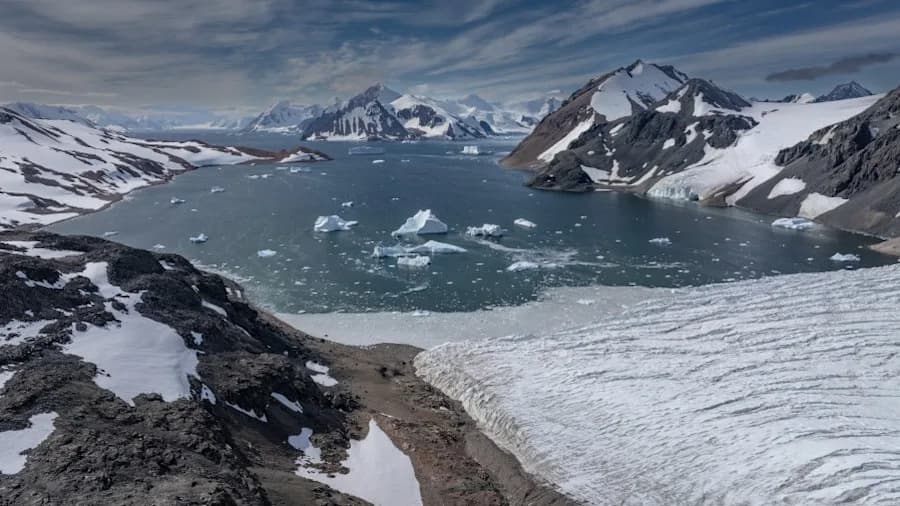
The University of Edinburgh-led analysis of 20+ years of ocean data finds nitrate in Arctic outflow waters has declined steadily since about 2009, in step with rapid sea-ice loss. Increased sunlight over shallow seabeds is accelerating benthic denitrification, converting nitrate to nitrogen gas and depleting this key nutrient. Reduced nitrate may favor smaller plankton, lowering energy transfer to fish, seabirds and marine mammals and threatening North Atlantic fisheries. The change could also reduce the ocean’s capacity to store carbon; researchers call for sustained monitoring.
Arctic Sea-Ice Loss Is Depleting Nitrate — Threatening Plankton, Fisheries and Carbon Storage
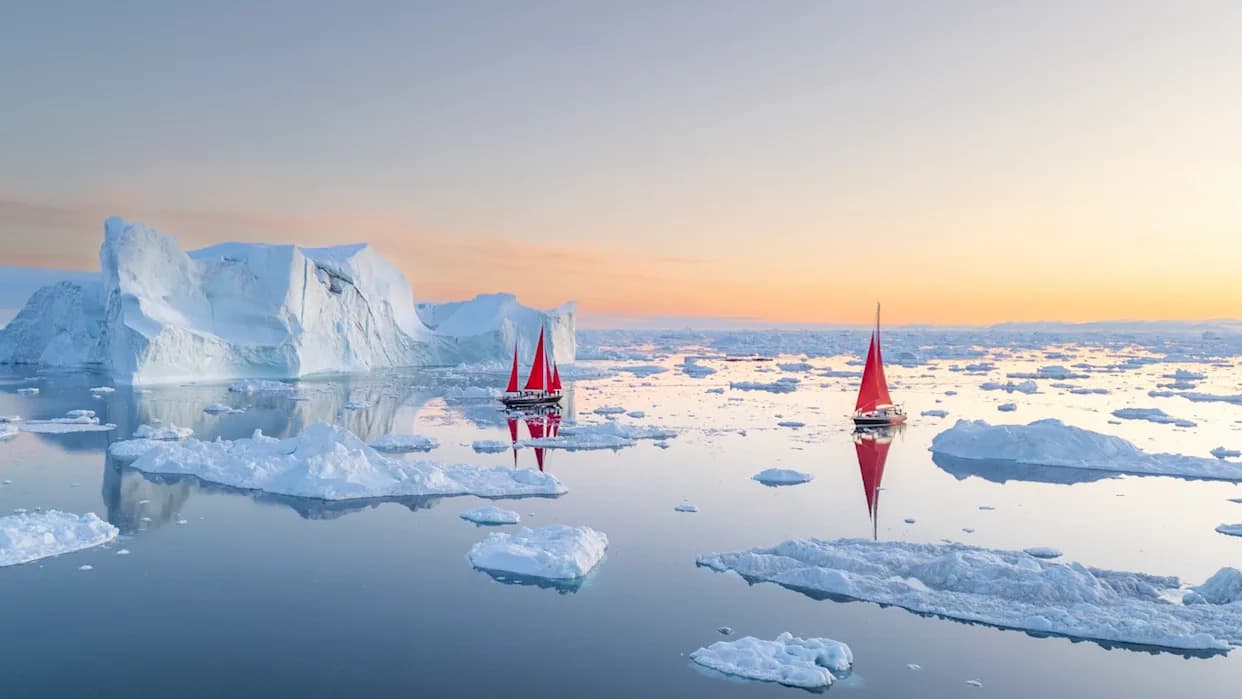
Photo Credit: iStock
A new University of Edinburgh study finds that nitrate concentrations in waters flowing out of the Arctic via Fram Strait have declined steadily since about 2009, coinciding with rapid sea-ice loss. The decline could cascade through Arctic marine food webs, reduce the region’s capacity to absorb carbon, and ultimately affect fisheries in the North Atlantic.
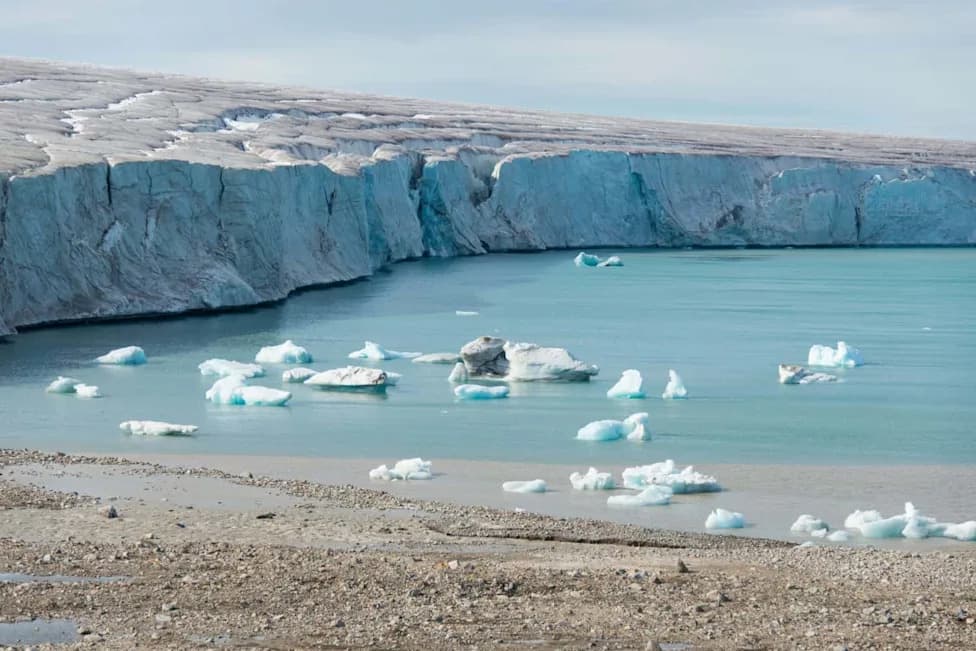
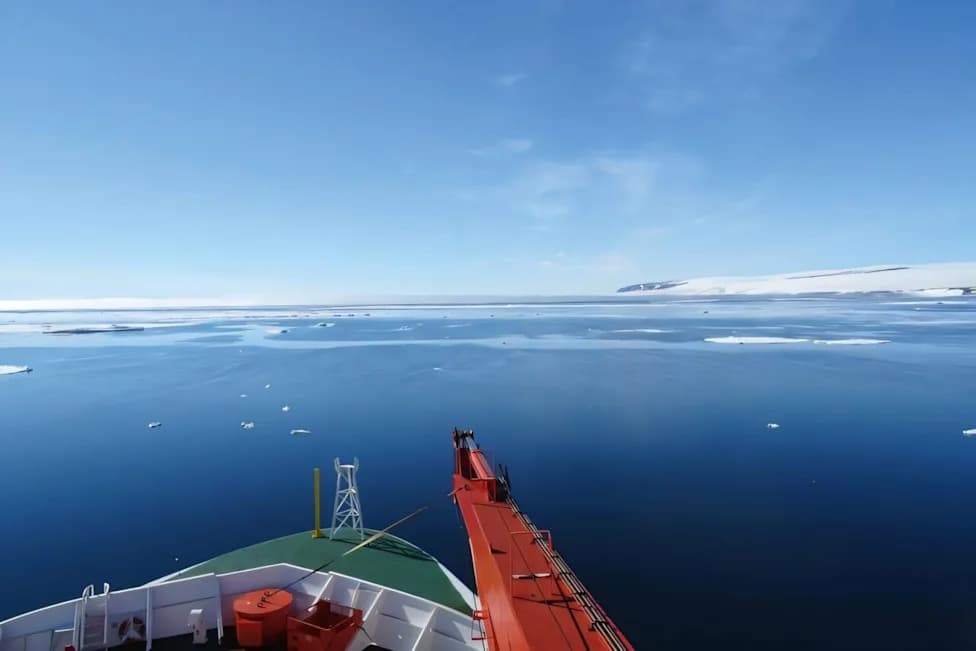
The researchers analyzed more than 20 years of ocean sampling data and identified a clear downward trend in nitrate in outflowing Arctic waters beginning around 2009. The timing aligns with a dramatic reduction in seasonal and permanent sea ice across the region.
How sea-ice loss removes nitrate
As sea ice retreats, previously shaded shallow seafloor becomes exposed to sunlight and warmer surface conditions. That shift stimulates benthic denitrification — microbial processes in sediments that convert dissolved nitrate into nitrogen gas — effectively removing biologically available nitrogen from seawater.
"For years, sea-ice loss in the Arctic Ocean was expected to increase phytoplankton growth because more sunlight could reach surface waters," said Marta Santos-García. "But the Arctic appears to be shifting from a system mainly limited by light to one increasingly limited by nitrate availability."
Ecological and climate consequences
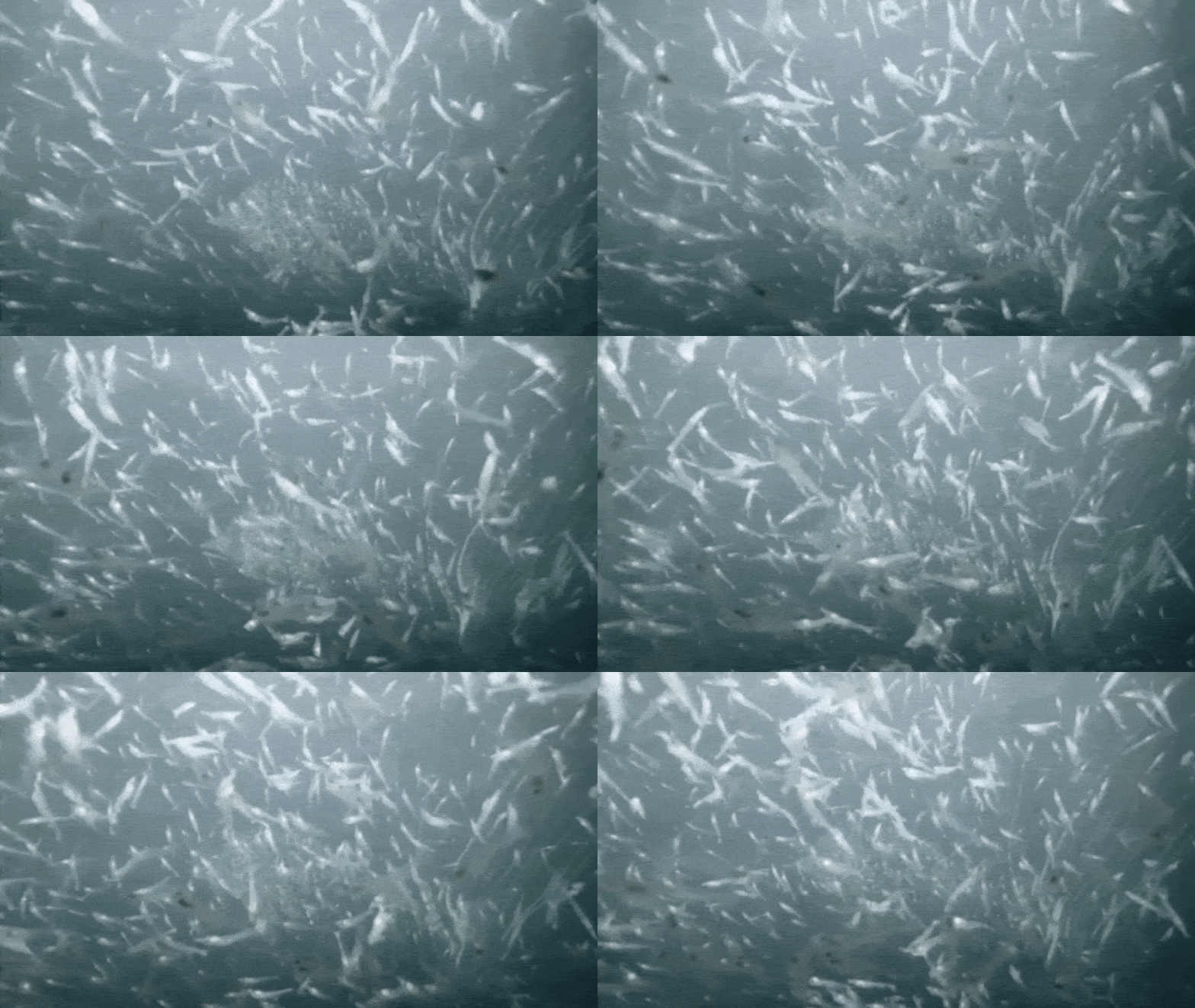
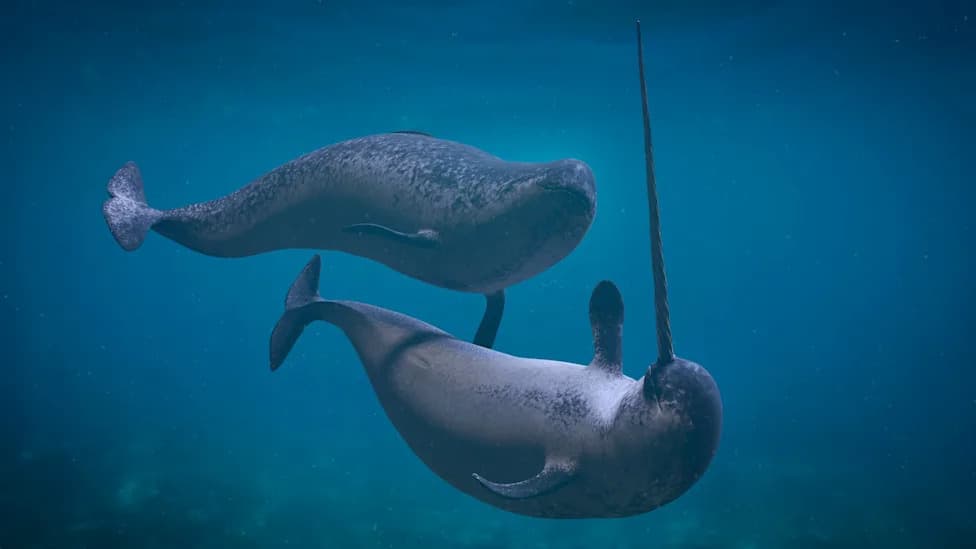
Nitrate is a fundamental nutrient for phytoplankton, which form the base of marine food webs. Lower nitrate availability tends to favor smaller, less energy-rich plankton species. That change can reduce the amount of energy transferred to higher trophic levels — fish, seabirds and marine mammals — and may alter the composition and productivity of fisheries that coastal communities depend on.
Less plankton production also has implications for the carbon cycle. Phytoplankton photosynthesis draws carbon dioxide from the atmosphere; a sustained decline in plankton biomass would weaken the Arctic Ocean’s role as a carbon sink.
Professor Raja Ganeshram warned the ecosystem may have crossed a "tipping point" around 2009 and urged sustained monitoring to track how nutrient shifts propagate through the food web. The authors say the trend is unlikely to reverse while sea-ice loss continues.
What comes next
The study highlights the need for expanded observations of nutrient dynamics, plankton communities and food-web responses across the Arctic and downstream in the North Atlantic. Understanding these changes will be vital for fisheries management, conservation planning and assessing the Arctic’s future role in the global climate system.
Help us improve.