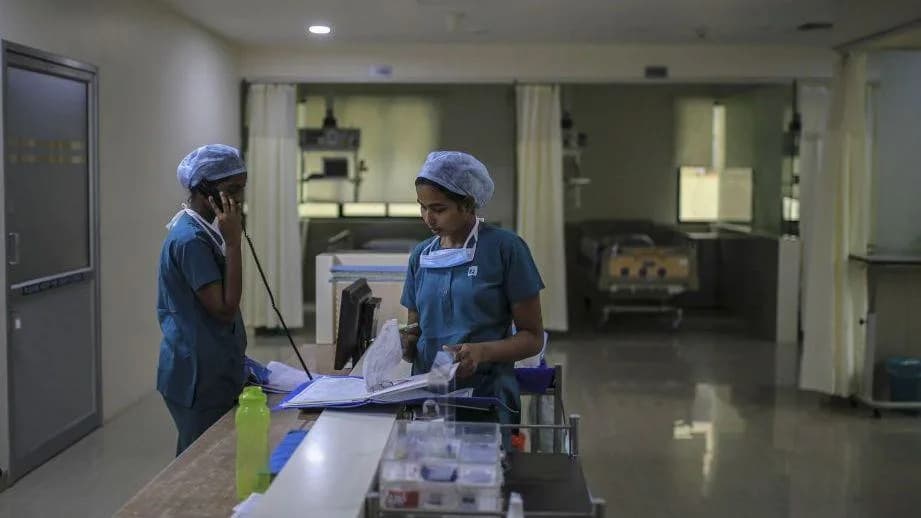
The Iran conflict and related disruptions have driven up platinum prices and constrained supplies of platinum-based active ingredients, triggering nearly three weeks of shortages of cisplatin and carboplatin in India. These drugs are essential for around 60% of advanced cancer treatments and are used across many tumour types. Hospitals including AIIMS and major private centres are delaying or modifying care, while industry groups urge government help to secure raw materials and normalise production.
Iran Conflict Drives Shortage of Lifesaving Platinum-Based Chemotherapy Drugs in India
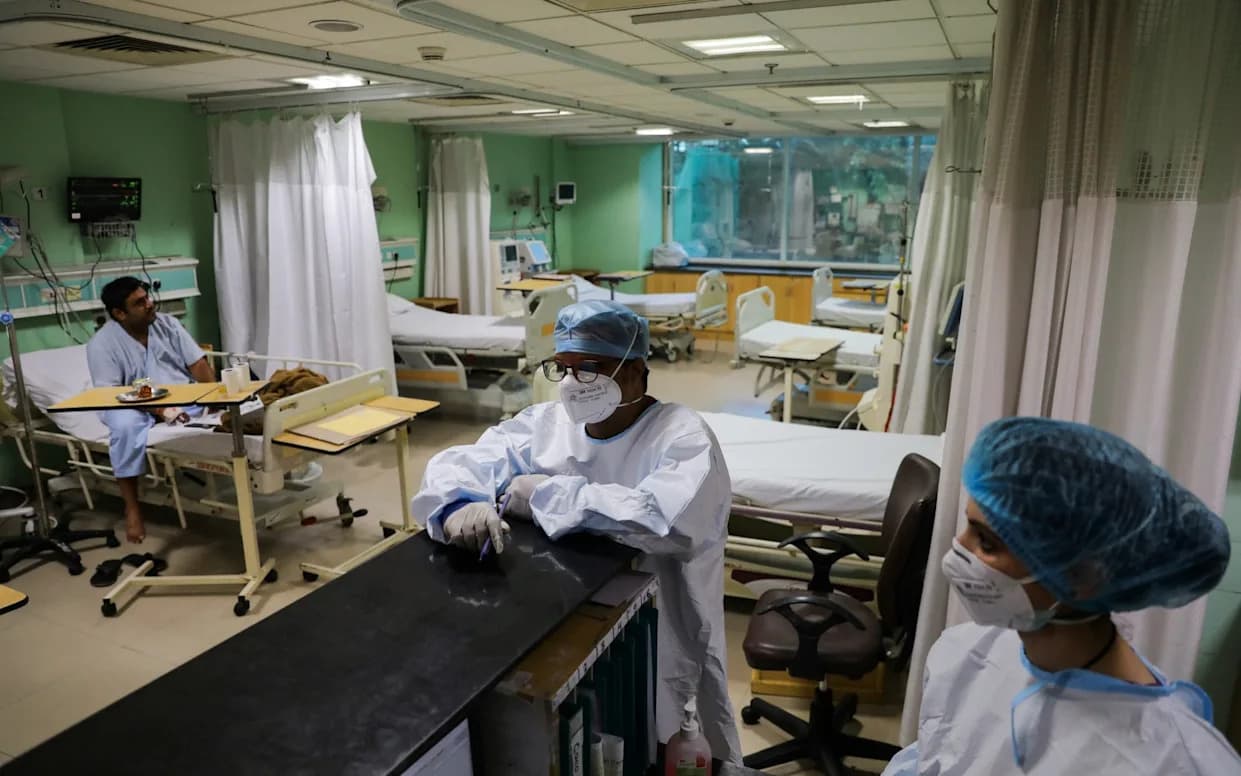
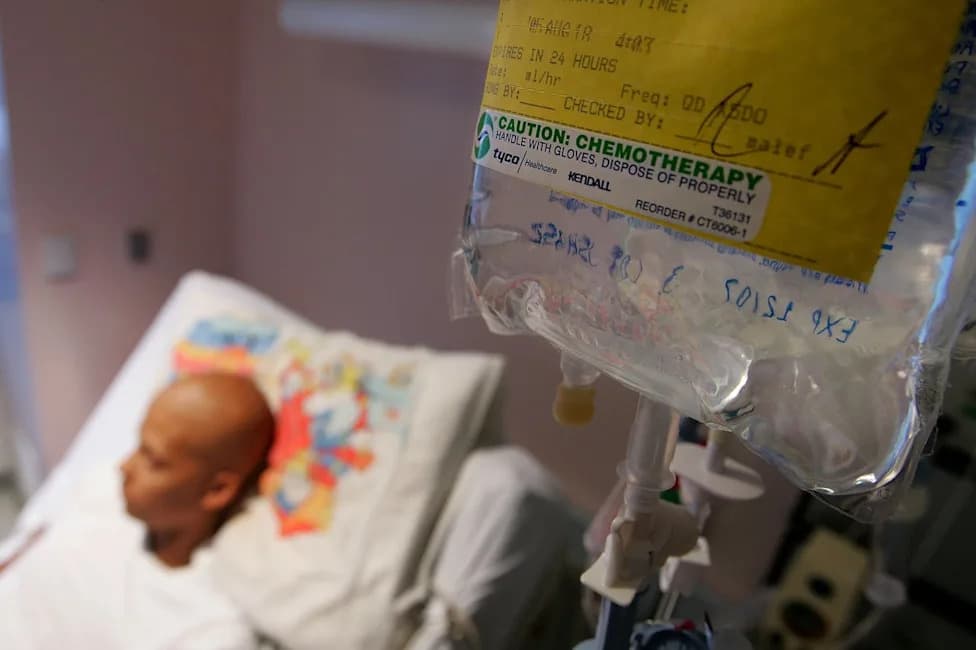
Some cancer patients at the Sir Ganga Ram Hospital in New Delhi have been advised to try to find the medicine they need on the open market - Anushree Fadnavis/REUTERS
Hospitals across India are confronting an acute shortage of two essential chemotherapy medicines — cisplatin and carboplatin — after supply-chain disruptions linked to the conflict in Iran pushed up the cost and constrained availability of platinum, a key raw material used to make these drugs.
Scope of the Shortage
Doctors and industry representatives report that stocks of cisplatin and carboplatin have been running low for nearly three weeks. Major public and private centres, including the All India Institute of Medical Sciences (AIIMS) in New Delhi, and hospitals in Mumbai, Bengaluru and elsewhere have been forced to delay or modify treatment schedules, sending patients and families into a frantic search for supplies.
Patient Impact
India records about 1.4 million new cancer diagnoses each year, and there are an estimated 2.5–3 million people living with cancer at any given time. Cisplatin and carboplatin are platinum-based agents that form the backbone of treatment for roughly 60% of advanced cancer cases and are used across many tumour types — including cervical, lung, ovarian, breast, bladder and oesophageal cancers. Treatment regimens involving these drugs can last months, and interruptions or delays can reduce effectiveness and worsen outcomes.

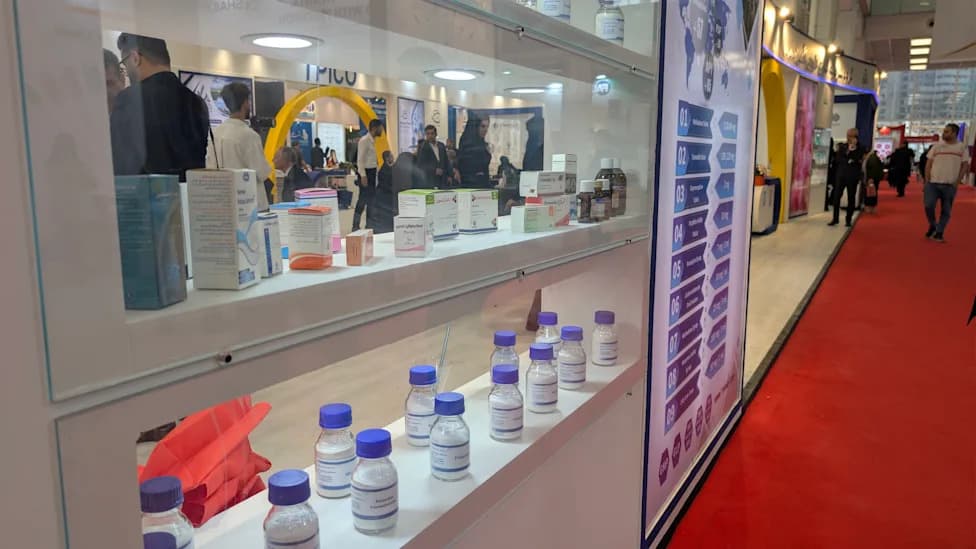
The closure of the Strait of Hormuz has disrupted shipping supply chains - Amirhosein Khorgooi/ISNA
On-the-ground Experience
“There is an acute shortage of two drugs, [cisplatin and carboplatin],” said Dr Shyam Aggarwal, chairman of medical oncology at Sir Ganga Ram Hospital in New Delhi. “Today, I am having to tell six out of ten patients who need these medicines to try to find them in the open market themselves. That should never happen in a modern healthcare system.”
Dr Aggarwal added that his unit treats about 30 cancer patients daily and that 60–70% require a platinum-based drug. At current consumption rates his hospital reported having only a few days of stock remaining.
Root Causes
Although cisplatin and carboplatin are manufactured in India and are relatively inexpensive for patients (roughly ₹3,000 per month), production depends on active pharmaceutical ingredients (APIs) and the availability of metallic platinum. APIs are sourced from countries including South Africa and Russia, while the platinum itself has faced tight global supply conditions.
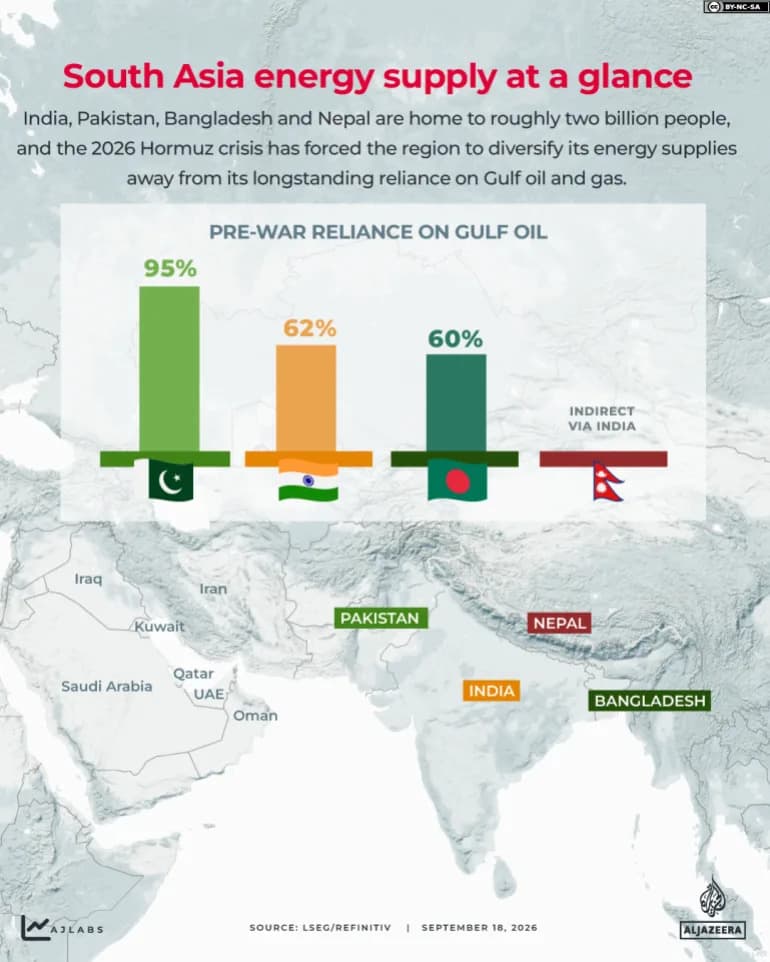
Platinum prices in India have nearly doubled in the past six months — rising from about ₹3,900 per gram in September 2025 to nearly ₹8,000 per gram earlier this year — a surge attributed to the Middle East conflict and disruptions such as temporary closures of the Strait of Hormuz. Manufacturers say procuring sufficient quantities of platinum and platinum-based APIs has become increasingly difficult, leading to nationwide shortages.
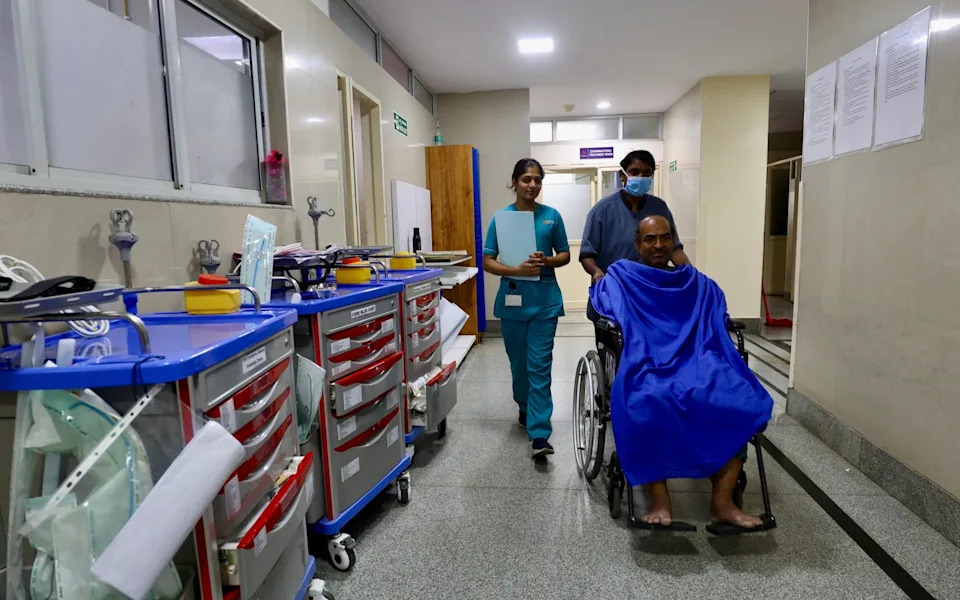
Interrupting chemotherapy mid-treatment can have serious consequences for cancer patients - JAGADEESH NV/EPA/Shutterstock
Industry And Government Response
The All India Organisation of Chemists and Druggists confirmed that several pharmaceutical companies have reported API disruptions in recent months. Rajiv Singhal, the organisation’s general secretary, said manufacturers are working to secure supplies and restore normal production, and he urged the federal government to facilitate imports of critical raw materials to stabilise supply and protect continuity of cancer care.
“The challenge stems primarily from constrained global availability of platinum-based APIs and key raw materials,” said Singhal.
Consequences And Outlook
Oncologists warn that the shortage could cause treatment delays, forced regimen changes and interruptions that may reduce the chance of cure in some curative protocols. Families are being forced to spend time and resources tracking down medicines instead of focusing on care. Pharmaceutical companies and hospitals say they are exploring alternative sourcing and contingency plans, but recovery will depend on securing raw materials and easing supply-chain bottlenecks.
What Patients Should Know: If you or a loved one are affected, ask your oncology team about alternative regimens, clinical trial options, or local hospital stocks and patient-support programmes. Hospitals and manufacturers say they will provide updates as the situation evolves.
Help us improve.