Tech and biosecurity leaders have co-signed an open letter urging Congress to require mandatory screening of every synthetic DNA and RNA order. They warn that advanced AI could democratize the expertise needed to design dangerous pathogens and cite a Microsoft study that generated 75,000+ potentially hazardous protein variants. The coalition supports a federal standard aligned with the Biosecurity Modernization and Innovation Act of 2026 to verify customers, screen sequences, and preserve purchase records while critics warn about costs and subjective definitions of danger.
AI Leaders Urge U.S. To Mandate Screening Of Mail-Order DNA Amid Bioweapons Concerns
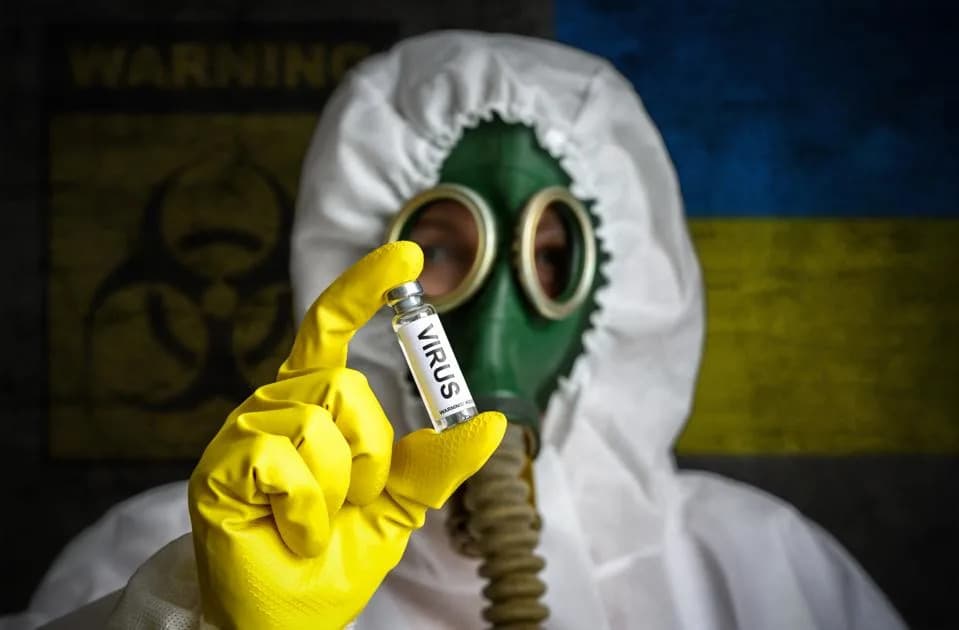
Scientist shows virus container in labgetty
Mail-order bioweapons once sounded like science fiction. Today, leading figures in artificial intelligence warn that increasingly capable AI systems could design dangerous pathogens and enable their physical production via online DNA- and RNA-synthesis services.
What the Letter Says
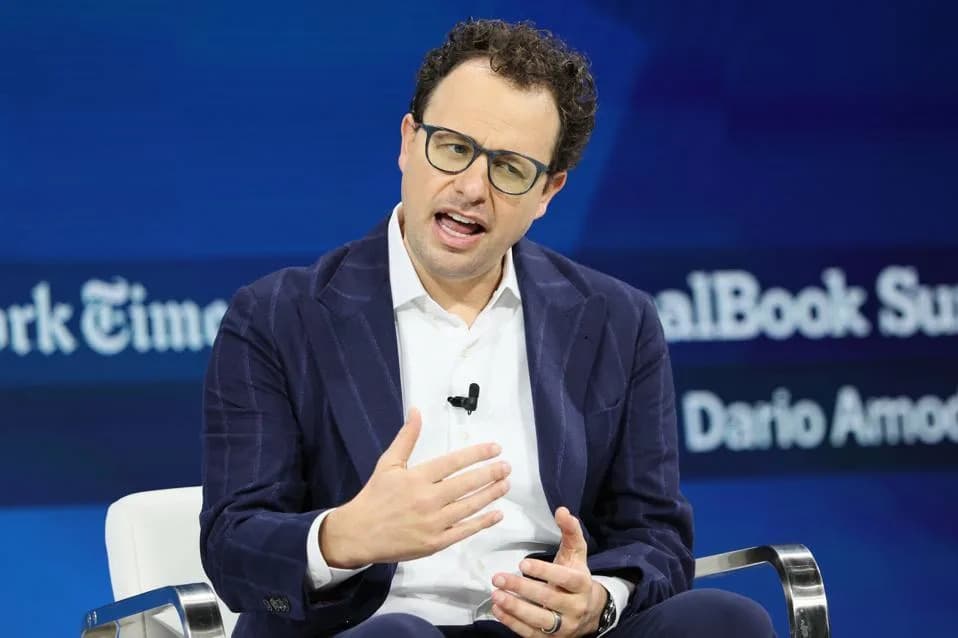
In an unusual show of cross-company unity, executives and experts organized by the Foundation for American Innovation and the Institute for Progress co-signed an open letter asking Congress to require mandatory screening for all synthetic DNA and RNA orders. Signatories include Sam Altman (OpenAI), Dario Amodei (Anthropic), Demis Hassabis (Google DeepMind), Mustafa Suleyman (Microsoft AI), Alexandr Wang (Meta), Stripe CEO Patrick Collison, and many biosecurity specialists.
Why This Matters
The letter argues that generative AI now contains a surprising amount of technical biological knowledge. That knowledge could be misused to design highly hazardous proteins or pathogens. The coalition cites a Microsoft study that generated more than 75,000 protein variants judged potentially hazardous and capable of evading existing sequence-screening safeguards.
What The Coalition Wants
The groups call for a single, enforceable federal standard that would require DNA-synthesis companies to:
- Verify customer identities;
- Screen genetic sequences for dangerous or suspicious material;
- Maintain robust purchase logs and records to support investigations.
Legislative Context
The push aligns with the Biosecurity Modernization and Innovation Act of 2026, a bipartisan bill introduced by Senators Tom Cotton (R-Ark.) and Amy Klobuchar (D-Minn.). The proposal would mandate rigorous customer and order screening while exempting routine, harmless research materials.

SHENZHEN, CHINA - APRIL 29: The logo of Twist Bioscience Corporation (NASDAQ: TWST), a U.S.-based synthetic biology and biotechnology company specializing in DNA synthesis and genomics solutions.Getty Images
Industry Response And Concerns
Some companies, such as Twist Bioscience and Ansa Biotechnologies, already participate in voluntary screening through the International Gene Synthesis Consortium. James Diggans, vice president of policy and biosecurity at Twist, summed up the responsibility:
"Companies that can print DNA have a duty to know precisely what you’re making and who you’re making it for."
Opponents—particularly smaller biotech firms—warn that defining which nucleotide combinations are "dangerous" can be subjective and that compliance costs could stifle innovation. Similar bills have stalled in the past because of these trade-offs.
Stakes And Precedent
Biological attacks have been rare historically, but the potential harm can be catastrophic. The 2001 anthrax mailings killed five people, sickened dozens, and cost tens of millions to remediate. Supporters of federal standards argue that the combination of advanced AI and mail-order DNA services makes this an urgent national-security and public-health issue.
Whether Congress will adopt a federal standard before the current session ends remains uncertain. But the coordinated letter marks a rare convergence: companies building AI models and those producing genetic material are united in asking lawmakers for stronger, enforceable safeguards.
Originally published on Forbes.com
Help us improve.