Police warn that criminals are forcibly taking over vulnerable people’s homes in a tactic known as 'cuckooing', often using properties to deal drugs and prey on occupants. London recorded 1,539 suspected incidents between May 2025 and April 2026, and investigators report worsening squalor and abuse. The Crime and Policing Act 2026 will create a standalone offence with up to five years' imprisonment, but statutory guidance for police is still needed. Campaigners call for clearer policies and stronger victim support.
Drug Gangs 'Cuckooing' Hundreds Of UK Homes Weekly — Victims Trapped As Law Is Updated
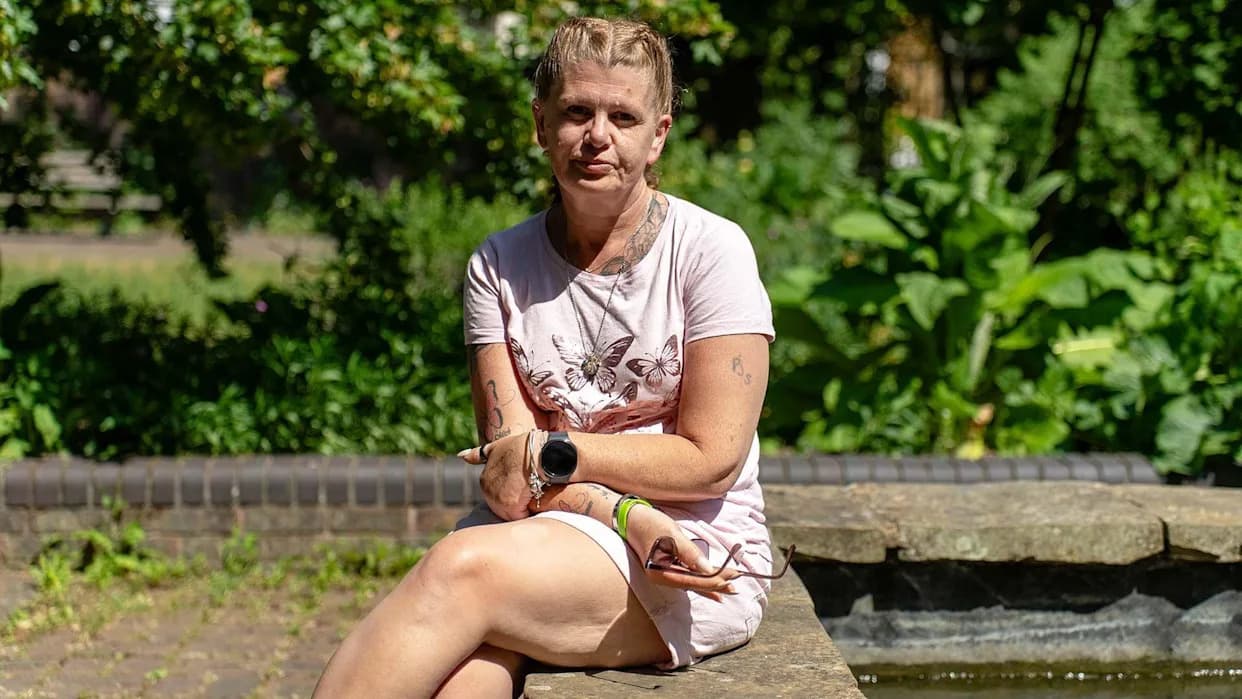
A drug dealer took over Jackie's home. Now she helps other victims of so-called cuckooing [BBC]
Police chiefs warn that criminals are seizing hundreds — possibly thousands — of vulnerable people’s homes each week across the UK in a tactic known as 'cuckooing', using those addresses to store and sell drugs and to intimidate or exploit occupants.
What Is Cuckooing?
'Cuckooing' takes its name from the bird that lays eggs in other birds' nests. In practice, it describes a range of behaviours in which perpetrators befriend, coerce or force their way into someone’s home and then use the property for criminal activity. Victims are often elderly, disabled, or drug-dependent, and may be physically or psychologically intimidated into silence.
Scale And Evidence
Because cuckooing is not yet a standalone offence, national data is limited. However, exclusive figures shared with the BBC show 1,539 incidents of cuckooing reported to police in London between May 2025 and April 2026; 1,275 of the identified victims were male. Freedom of information requests show investigations flagged as cuckooing concerns in London rose from 380 in 2023/24 to 1,078 in 2025/26.
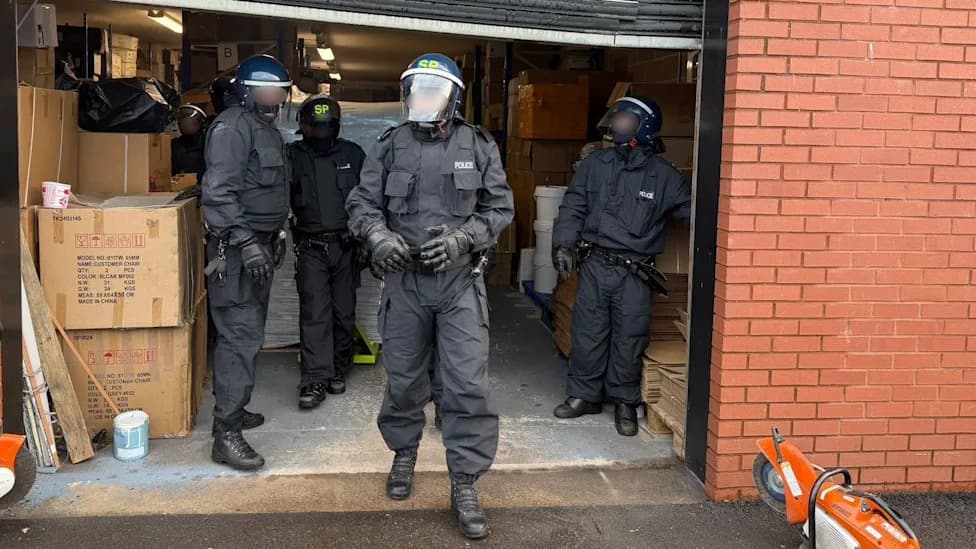
The National Police Chiefs' Council (NPCC) carried out visits to 683 suspected cuckooed addresses during a week of operations focused on county lines, and warned 'hundreds — if not thousands' of properties may be affected nationwide each week.
Victims' Stories
Those affected describe being trapped in their own homes, subjected to theft, violence, intimidation and extreme humiliation. One victim, Jamie, 34, who has brain damage after being struck with a glass bottle, said a gang befriended him and then moved into his flat to sell drugs. He described being robbed, slapped and too vulnerable to resist because of his injuries. He eventually escaped and relocated.
Another victim, Jackie, a former heroin and cocaine user, said a dealer added £2,000 to her debt and told her she had to host a dealer until it was repaid. She said she was confined to her bedroom, barred from shared rooms, and relied on drugs to cope until the dealer left. Jackie later entered rehab and now supports awareness work.
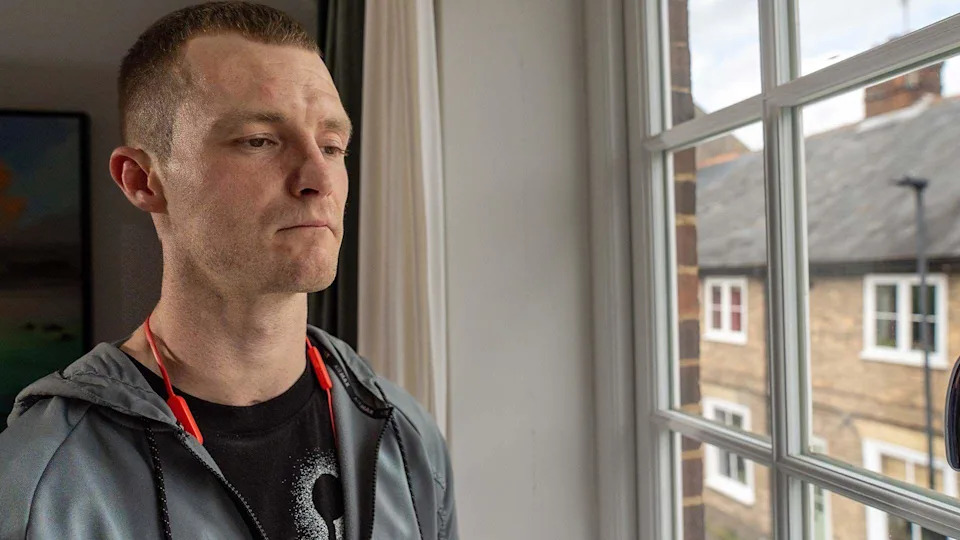
Jamie says his head injury made him vulnerable as he felt he could not stand up for himself [BBC]
Conditions Found By Police
Officers visiting suspect properties reported severe squalor: food and packets strewn across floors, raw meat in sinks, clogged toilets, bloodstained bedding and improvised sleeping arrangements. The Met described a 'putrid stench' in many premises, highlighting the physical and mental toll on victims.
Police Response And Legal Change
Currently, police try to prosecute under existing laws such as drug-possession or modern slavery offences, and use closure orders to temporarily shut properties. Partial closure orders can allow tenants to remain while barring named visitors. Sources say increased awareness, changing data collection and more dealers adopting cuckooing as a business model have contributed to rising recorded figures.
Under the Crime and Policing Act 2026, cuckooing is expected to become a distinct criminal offence by the end of the year, carrying a maximum sentence of five years' imprisonment. The law will not be enforceable until statutory guidance is issued to police forces.
We've had cases where victims were forced to eat dog excrement or perform sexual acts, which were then used to blackmail them into compliance, NPCC lead Kirsten Dent told the BBC, warning that the crime is 'hidden and in people's homes'.
Calls For Better Support And Recognition
Researchers and campaigners say vulnerable people are not always identified as victims because of prior contact with police or existing social stigma. Dr Amy Loughery of the University of Leeds said awareness has improved but 'there is a significant way to go', calling for clearer guidance and policy to identify and support victims.
The Home Office described the victims' accounts as 'appalling' and committed more than £34m this year to the County Lines Programme to tackle organised drug dealing.
Help And Next Steps
Police and support groups emphasise the need for better victim confidence, improved multi-agency responses, and statutory guidance accompanying the new law. If you or someone you know is affected, support and information are available through BBC Action Line and local victim services.
Help us improve.