New specialist police squads will target barbers, vape shops and other high‑street businesses suspected of laundering money for organised crime. The initiative will recruit more than 500 officers and is backed by £550m from the economic crime levy, with an additional £20m for an NCA oversight cell and 75 officers focused on high‑street gangs. Recent enforcement removed almost £350m in illicit funds, denied over £1bn in suspected assets and returned £26m to victims, while convictions for money‑laundering neared 4,000.
Police to Target Barbers and Vape Shops in Major Money‑Laundering Crackdown
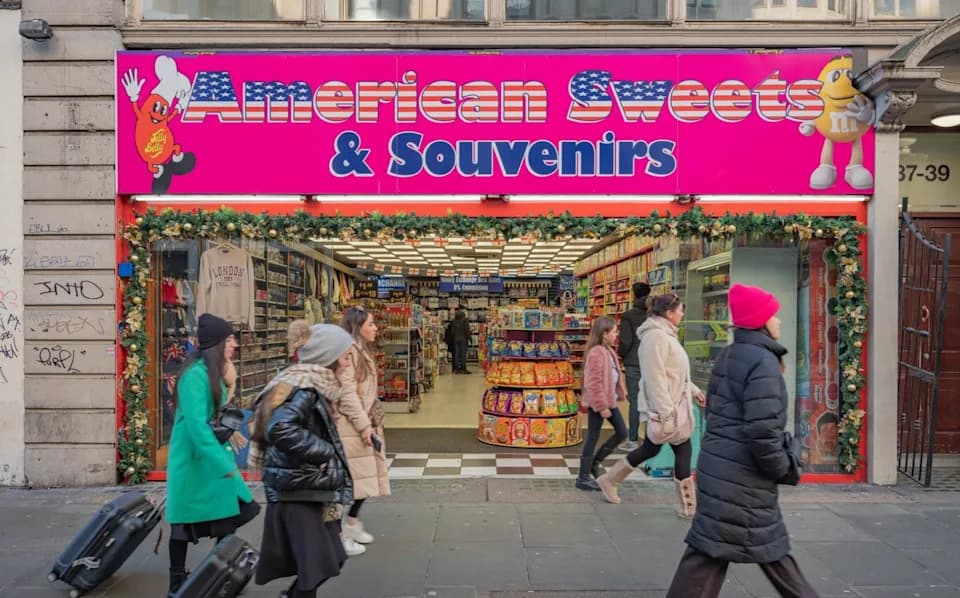
Up to a third of American candy stores in specific areas are suspected of being a front for criminal activity - Tom Skipp/Bloomberg
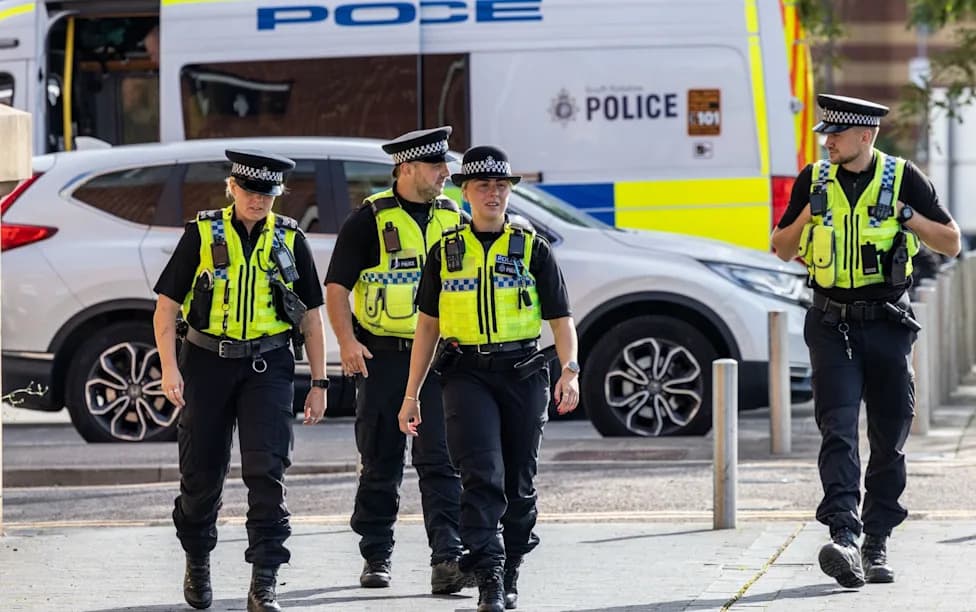
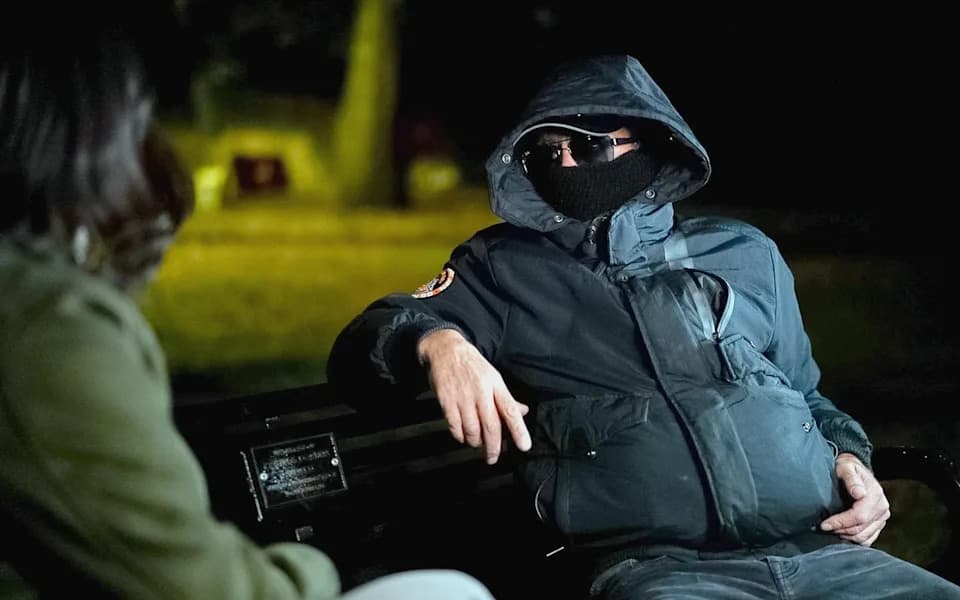
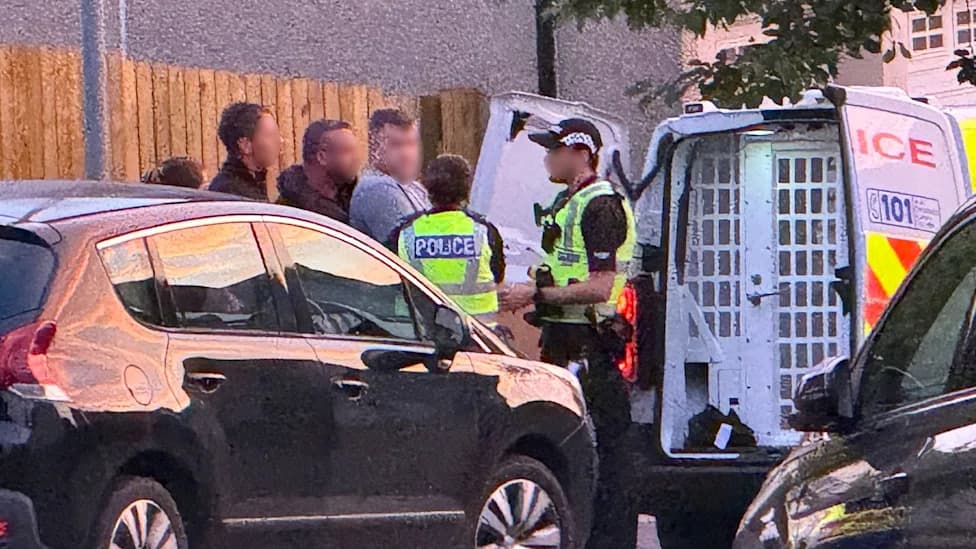
Police will target barbers, vape shops and other high‑street businesses that intelligence suggests are being used as fronts to launder money for organised crime gangs. The government is funding a major expansion of specialist squads to track and seize so‑called 'dirty money' tied to drug dealing, people‑smuggling and other rackets.
What the plan includes
More than 500 additional officers will be recruited and supported by a £550m package drawn from the economic crime levy and spread over three years. Officers will be placed across local forces, the National Crime Agency (NCA) and the Crown Prosecution Service (CPS), either bolstering existing organised‑crime teams or forming new, dedicated units.
The NCA will also operate a new cell backed by £20m to oversee investigations into gangs that run legitimate businesses as fronts. A further 75 officers have already been allocated specifically to tackle high‑street gangs.
Enforcement results and scope
Officials say the enhanced effort builds on recent enforcement that removed almost £350m in illicit funds from criminals and denied more than £1bn in suspected criminal assets over a year‑long crackdown. About £26m has been returned to victims, some 2,700 illicit‑finance operations were disrupted, and convictions for money‑laundering approached 4,000.
Trading Standards estimates that in some areas up to half of convenience stores and vape retailers may have links to organised crime. Comparable patterns have been reported internationally: in parts of the United States, up to a third of candy stores and one in four fast‑food takeaways are suspected of operating as criminal fronts.
Voices from government and community groups
Home Secretary Shabana Mahmood said the measures are intended to 'go after the criminal bosses behind organised crime and strip them of the funds they use to fuel drug trafficking, people smuggling and other serious crime.'
Joshua Nicholson, head of communities at The Centre for Social Justice, warned that gangs have been laundering money 'in plain sight' through thousands of dodgy local outlets and welcomed stepped‑up enforcement.
Objective and next steps
Authorities say the combined approach—expanded police squads, the £20m NCA cell and dedicated prosecutors—will disrupt illicit money flows and make it harder for gangs to hide proceeds behind legitimate businesses. Trading Standards and law enforcement agencies will continue identifying and closing outlets acting as fronts, with ministers emphasising the goal of returning funds to victims and restoring safety on the high street.
Help us improve.