The axolotl has become a ubiquitous symbol across Mexico City ahead of the World Cup — appearing on murals, trains and statues — even as scientists warn the species is vanishing from its natural habitat. UNAM surveys show a collapse from about 6,000 axolotls per sq km in 1998 to roughly 36 in 2014, and a 2024 census has yet to visually confirm any individuals two years in, though eDNA tests indicate some persist. Conservationists blame pollution, habitat loss, converted chinampas and mass tourism, and say viral publicity must be matched by concrete habitat protection.
Axolotls Are Mexico City's World Cup Mascots — But They Are Disappearing From The Wild
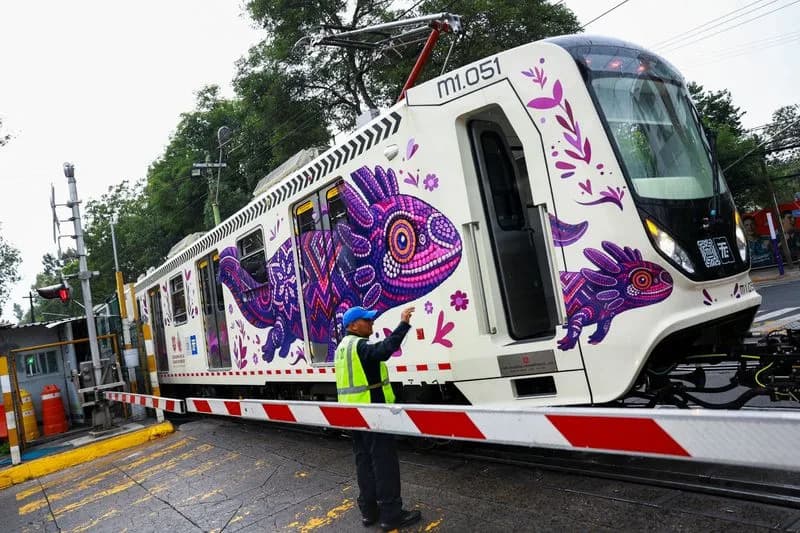
A crossing keeper gestures as a train car featuring an image of the critically endangered axolotl, a salamander native to central Mexico's lakes, passes by, in Mexico City, Mexico, May 27, 2026. The use of axolotl in public imagery ahead of the FIFA World Cup 2026 has divided residents who say more should be done to protect its habitat. REUTERS/Raquel Cunha TPX IMAGES OF THE DAY
As Mexico City prepares to host five World Cup matches, one of the most visible symbols greeting visitors is the wide, toothless grin of the axolotl. The salamander native to the region has been plastered across murals and subway cars in bright purple and cast into sculptures, some even shown dribbling a soccer ball.
Background
Named for the Nahuatl word meaning "water monster," the axolotl (pronounced ah-sho-LO-tul) has become an unofficial mascot for the host city. Yet the cheerful imagery has provoked criticism from many locals — known as Chilangos — who say the poppy portrayal risks turning a critically endangered species into a decorative emblem while real conservation efforts lag behind.
Steep Population Decline
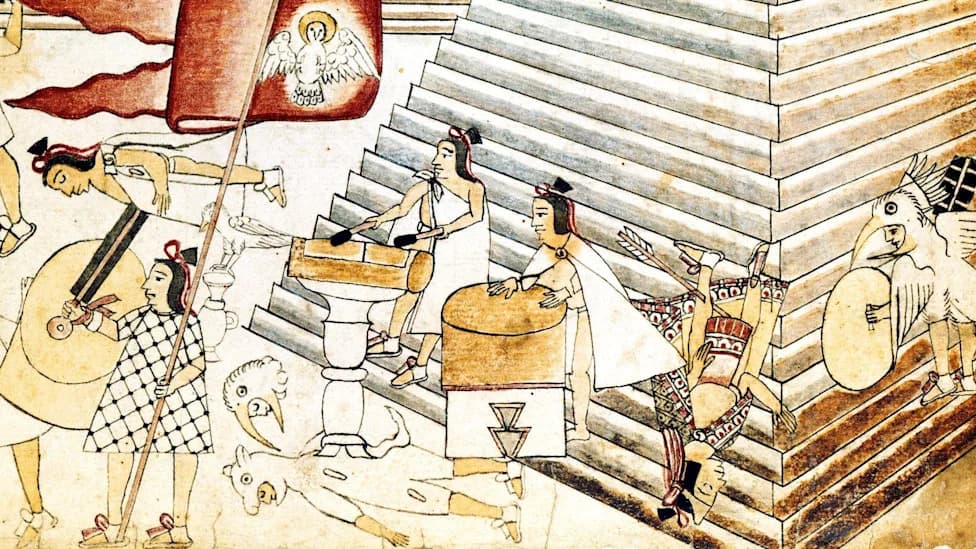
For centuries, Ambystoma mexicanum thrived in the waterways and chinampas that once sustained the Aztec capital of Tenochtitlan. But the lake system beneath modern Mexico City was largely drained under colonial rule, and the remaining habitat has been steadily eroded and polluted by urban expansion.
UNAM (Mexico's National Autonomous University) recorded around 6,000 axolotls per square kilometer in Xochimilco in 1998 and about 36 per square kilometer in 2014 — a dramatic decline. A new census that began in 2024 has, two years later, failed to visually confirm a single animal, although environmental DNA (eDNA) tests on canal water indicate that some individuals persist.
Threats To Their Last Refuge
Scientists warn the threats are multiple and growing: poorly treated wastewater, conversion of chinampas into soccer pitches and other developments, and a surge in mass tourism tied to the World Cup. Axolotls respire through their skin and are therefore extremely sensitive to water pollution and low oxygen levels.
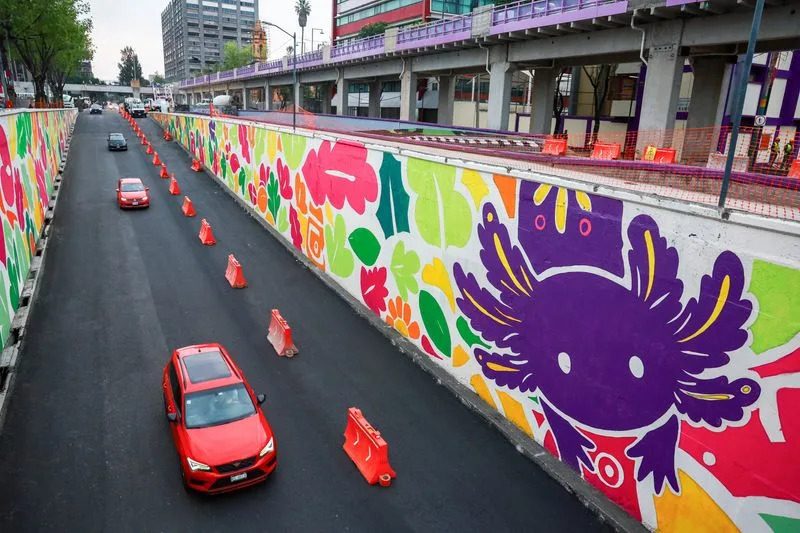
Vehicles pass through an underpass featuring an image of the critically endangered axolotl, a salamander native to central Mexico's lakes, as its use in public imagery ahead of the FIFA World Cup 2026 has divided residents who say more should be done to protect its habitat, in Mexico City, Mexico, May 19, 2026. REUTERS/Raquel Cunha
"Mass tourism has become a terrible problem now with the World Cup," said UNAM ecologist Luis Zambrano, who leads the university's ecological restoration laboratory. "The government thinks more is better, but that's not true in these areas of high ecological value."
Publicity Versus Protection
Even as their natural numbers decline, axolotls are widely bred in captivity and prized by researchers for their unique mucus, regenerative abilities and potential medical applications. But conservationists say the viral popularity has not translated into adequate habitat protection or pollution control in Xochimilco.
Ernesto Velazquez, 19, who runs an axolotl-themed stall in Chapultepec Park, hopes the new images will spur interest in conservation: "Some foreigners have asked if you can eat them — well no, they're at risk of extinction. I hope the World Cup will help people learn more so we take better care of them."
World Cup Effects
Art and statues have popped up across the city — one football-themed axolotl statue called "Ajologol" was removed near Estadio Azteca after crowds blocked access; officials said it will be resettled nearby. Visitors have praised the murals: "It's really beautiful," said Andres Huerta, a visitor from Phoenix.
Outlook
UNAM plans to publish the full results of its recent census and eDNA analysis by late summer. Conservationists say that to match the public enthusiasm for the axolotl, Mexico City needs coordinated action on wastewater treatment, habitat restoration, and tourism management to secure the animal's future in the wild.
($1 = 17.3244 Mexican pesos)
Help us improve.