The Codex Azcatitlán, a 16th‑century pictorial manuscript recounting Aztec history and the arrival of Spanish conquistadors, will be displayed in Mexico for the first time in 186 years. France, which has held the codex since 1898, lent it to Mexico to mark 200 years of Franco‑Mexican relations. In return, Mexico will lend the Codex Boturini to France; the exchange was agreed by Presidents Sheinbaum and Macron. The codex goes on view at the National Museum of Anthropology in Mexico City from Thursday.
Rare Aztec Codex Returns: Codex Azcatitlán Goes On Public Display In Mexico After 186 Years
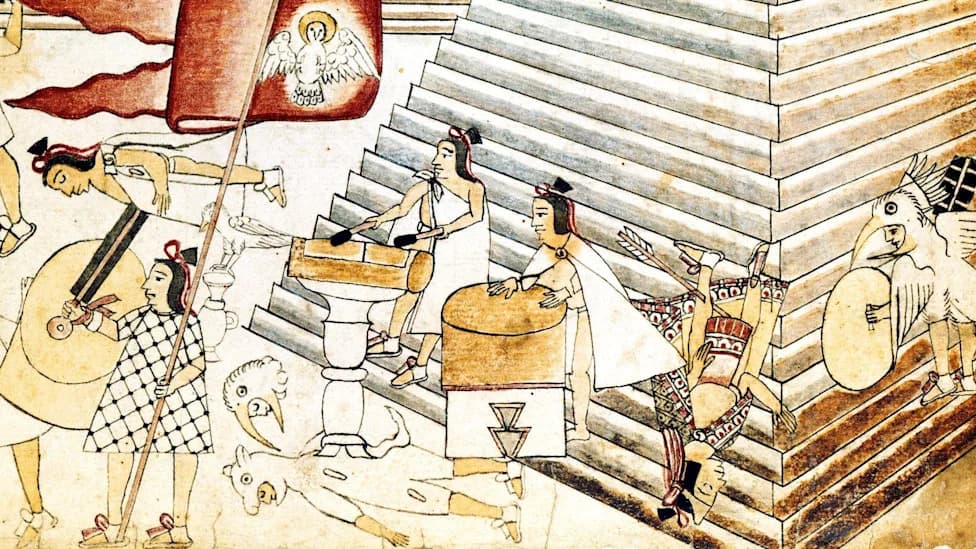
Codex Azcatitlán tells the story of the Aztecs, including their battle to defend Tenochtitlán from the Spanish conquistadors [API/Gamma-Rapho via Getty Images]
The Codex Azcatitlán, a rare 16th‑century pictorial manuscript that chronicles the Aztec civilization and its encounter with Spanish conquistadors, is being displayed in Mexico for the first time in 186 years.
Thought to have been drawn within years of the Spanish arrival, the codex is held at France's Bibliothèque Nationale, which acquired it in 1898 after it had already spent decades outside Mexico. Scholars regard it as one of the most valuable visual accounts of Aztec history, combining pictograms and narrative scenes — including the arrival of Hernán Cortés and other pivotal moments in the Mexica story.
A Symbolic Cultural Exchange
France has lent the Codex Azcatitlán to Mexico as part of bilateral commemorations marking 200 years of Franco‑Mexican diplomatic relations. In a reciprocal arrangement, Mexico has agreed to lend the Codex Boturini to France. The Boturini codex uses pictograms to narrate the Mexica migration from their ancestral homelands to the shores of Lake Texcoco, where they founded Tenochtitlán.
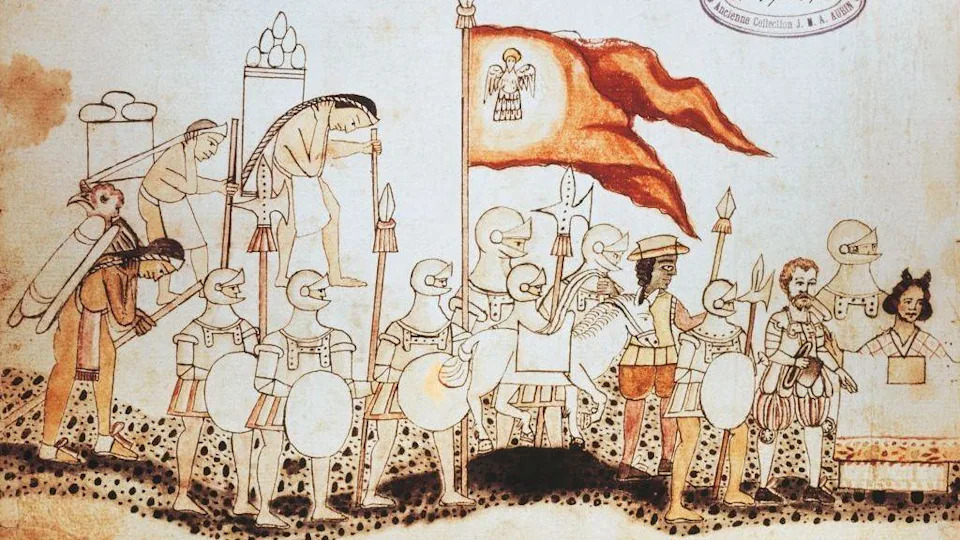
The arrival of Spanish conquistador Hernán Cortés in what is now Mexico is among the scenes depicted in the Codex Azcatitlán [DeAgostini/Getty Images]
The temporary exchange was agreed by Mexican President Claudia Sheinbaum and French President Emmanuel Macron during Macron's visit to Mexico last year. Officials on both sides described the swap as a gesture of cultural diplomacy and mutual respect for shared history.
Context And Significance
Beyond its dramatic imagery, the Codex Azcatitlán is prized for the historical and ethnographic detail it preserves. For Mexican scholars and the public, the loan is also part of a broader campaign to recover and showcase cultural heritage: Mexico's Ministry of Foreign Relations reported that more than 2,000 objects were repatriated last year.
The Codex Azcatitlán will be on view at the National Museum of Anthropology in Mexico City from Thursday. Curators say the exhibition will present the codex with conservation safeguards and scholarly interpretation to place its images in historical context.
Note: While the codex offers a vivid visual narrative, historians continue to examine and debate details of its authorship, date, and the specific events it depicts.
Help us improve.