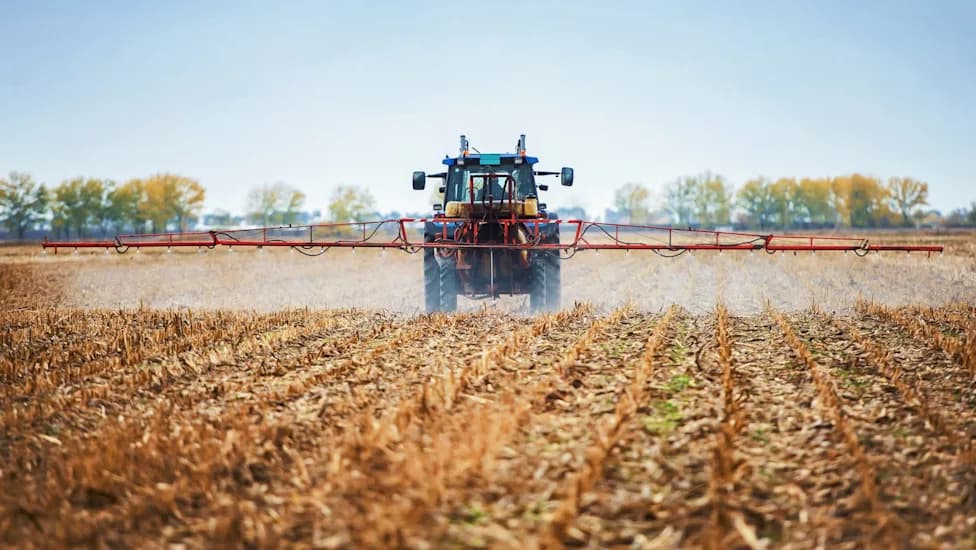
The Environmental Working Group's analysis of state and federal data found PFAS in up to 50% of California surface water samples and 45–55% of sediment samples, with ties to pesticide use. PFAS — persistent "forever chemicals" — are linked to immune and liver effects, higher cancer risk, and pregnancy complications, and roughly 60% of approved pesticide active ingredients may be PFAS. Limited testing in some regions suggests the contamination could be underestimated; advocates call for stronger monitoring and regulation.
New Analysis Finds PFAS in Nearly Half of California’s Waterways — Pesticides Implicated

A photograph of the Los Angeles river.
A new analysis by the nonprofit Environmental Working Group (EWG), using state and federal monitoring data, found PFAS — the persistent "forever chemicals" — in roughly half of tested surface water samples across California and in 45–55% of tested sediment samples. The report links much of that contamination to pesticide use in agricultural areas.
Key Findings
EWG's review reports PFAS in up to 50% of surface water samples and in 45–55% of sediment samples collected by state and federal programs. The group notes that about 60% of active ingredients approved for use as pesticides can be categorized as PFAS. A separate study estimated that California farms applied roughly 2.5 million pounds of PFAS to crops each year from 2018–2023.
"These findings suggest pesticides could also be exposing millions of Californians to PFAS through water and soil. What's worse, exposure may persist for generations, since PFAS never fully break down in the environment," the EWG researchers wrote.
Health and Environmental Concerns
PFAS have been associated with altered immune and liver function, increased cancer risk, pregnancy complications, and other health problems. Because many PFAS compounds are highly persistent and bioaccumulative, contamination can be long-lasting and affect both wildlife and humans.
The Guardian's testing of small streams in 10 of California's 58 counties found the highest PFAS concentrations in heavily agricultural regions, supporting the connection to pesticide use. However, the limited geographic scope of some testing programs suggests the true scale of contamination could be larger than currently documented.
Perspectives and Next Steps
EWG senior vice president Bernadette Del Chiaro urged officials to stop the deliberate spraying of PFAS-containing pesticides. Varun Subramaniam, an EWG analyst and co-author of the report, called the results "alarming but not surprising," noting that high-application rates on produce help explain PFAS presence in nearby streams and sediment.
Taken together, these findings point to a significant pollution challenge tied to intensive agriculture in California — a pattern that may be mirrored in other farming regions across the United States. Advocates and experts are calling for expanded monitoring, tighter regulation of PFAS in pesticides, and measures to limit further environmental release.
Help us improve.