Great Britain briefly saw fossil-fuel generation fall below 1 GW during the first week of April, driven by renewables, storage and interconnectors. An independent analysis for Drax Electric Insights by Imperial College London academics highlighted the shift. But 140 proposed AI-linked data-centre projects seeking about 50 GW of grid connections could strain the system, even though the government expects roughly 6 GW by 2030. Without faster clean generation, transmission upgrades and storage, rising data-centre demand risks keeping fossil fuels in use longer than planned.
Britain Nearly Ran Its Grid Without Fossil Fuels — But 140 AI Data Centres Could Threaten That Gain

Photo Credit: iStock
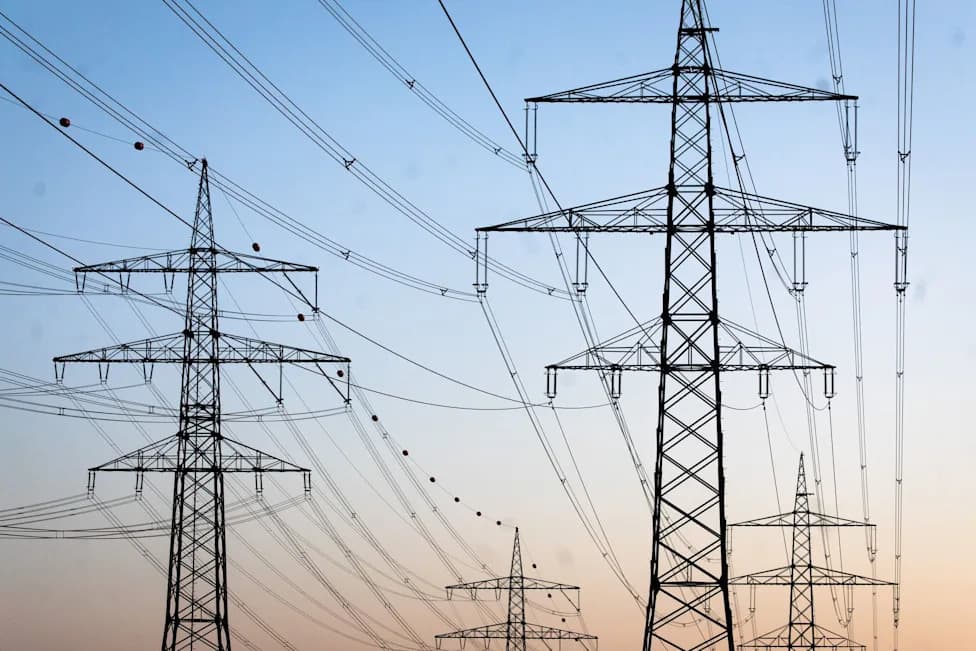
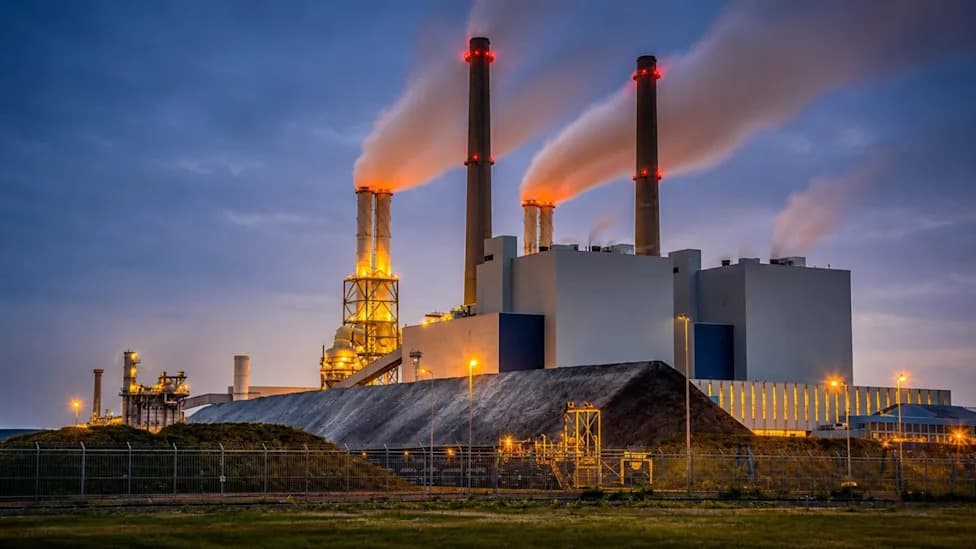
Great Britain briefly reached a milestone in clean power when electricity generated from fossil fuels fell below 1 GW during the first week of April — a shift driven by wind, solar, battery storage and international interconnectors.
Independent Analysis
The finding comes from an analysis commissioned by Drax Electric Insights and carried out independently by academics at Imperial College London. The study highlights how a growing share of low-carbon generation, together with more than 10 GW of interconnector capacity to neighbouring countries, is giving Britain greater flexibility to import and export power.
The Data-Centre Pressure
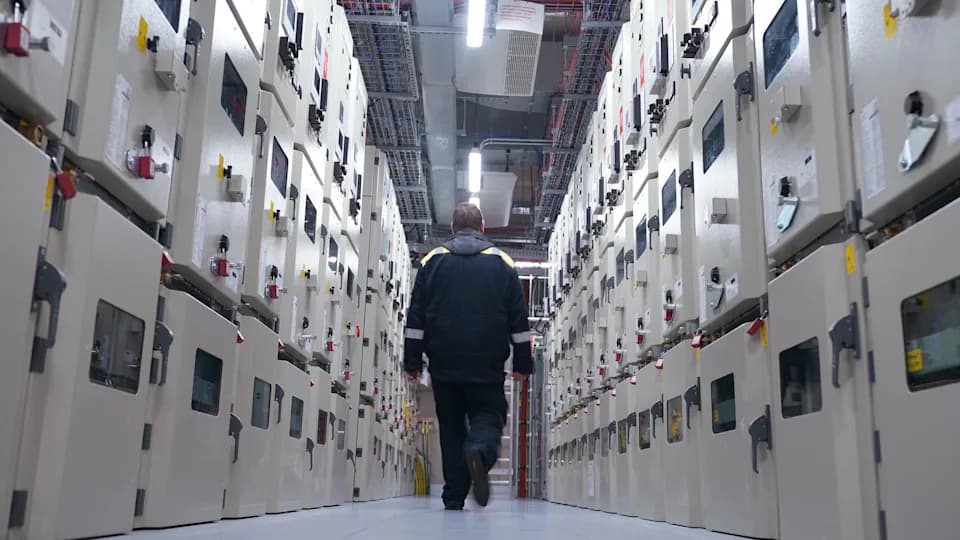
That progress faces a potential test: Energy Live News identified 140 proposed data-centre projects requesting roughly 50 GW of grid connections — a total comparable to Britain’s current peak demand. The UK government, however, expects a much smaller amount (around 6 GW) to materialise by 2030. Even so, projected AI-driven demand could be large enough to strain the system if it arrives faster than new clean generation and grid upgrades.
Why Grid Upgrades Matter
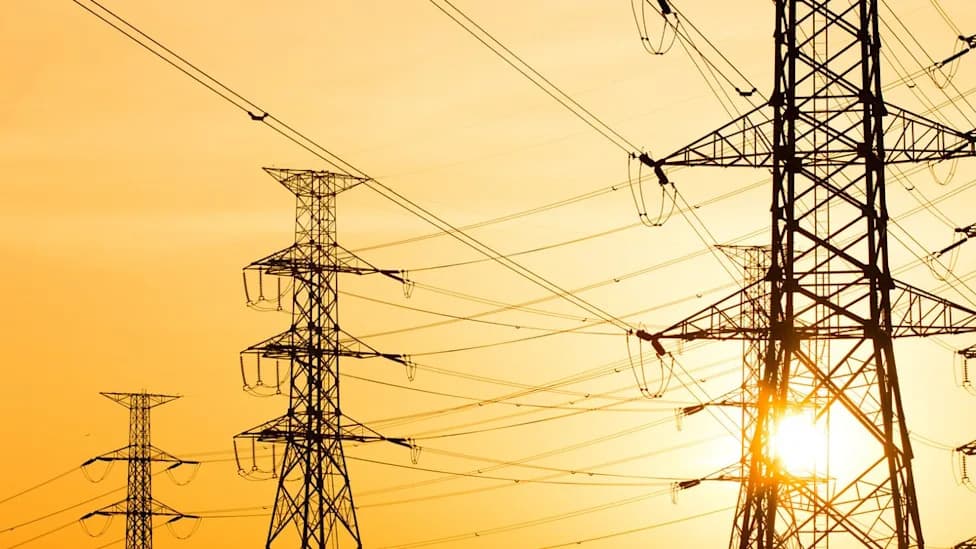
Deploying more wind and solar is only part of the solution. Electricity must be transmitted reliably to where it’s needed and stored to cover periods of peak demand. Without upgraded transmission networks and sufficient storage, renewable output can be curtailed or wasted, leaving fossil-fuel plants to fill gaps and undermining decarbonisation goals.
Energy Security And Price Volatility
A cleaner domestic power mix also reduces exposure to volatile global gas and oil markets. Recent tensions affecting routes such as the Strait of Hormuz have shown how international supply disruptions can drive price swings that ultimately affect household and business energy bills.
Public Reaction
The story attracted wide attention on Reddit’s r/technology, where responses mixed optimism about the clean-energy milestone with concern over the potential impact of AI-related demand. One user wrote, "So we finally almost ran without fossil fuels just in time to need double the grid for AI." Another observed, "U.K. is probably one of the 'big' countries with the best fossil fuel phase-out plan over the next 20 years. I think people will be surprised when they'll see it in two decades."
What Comes Next
Policymakers and industry will need to accelerate low-carbon generation, reinforce transmission, expand storage and use smarter demand management if Britain is to sustain its recent gains. Coordinated planning can ensure that rising data-centre demand — including AI workloads — is met without backsliding on climate targets.
Help us improve.