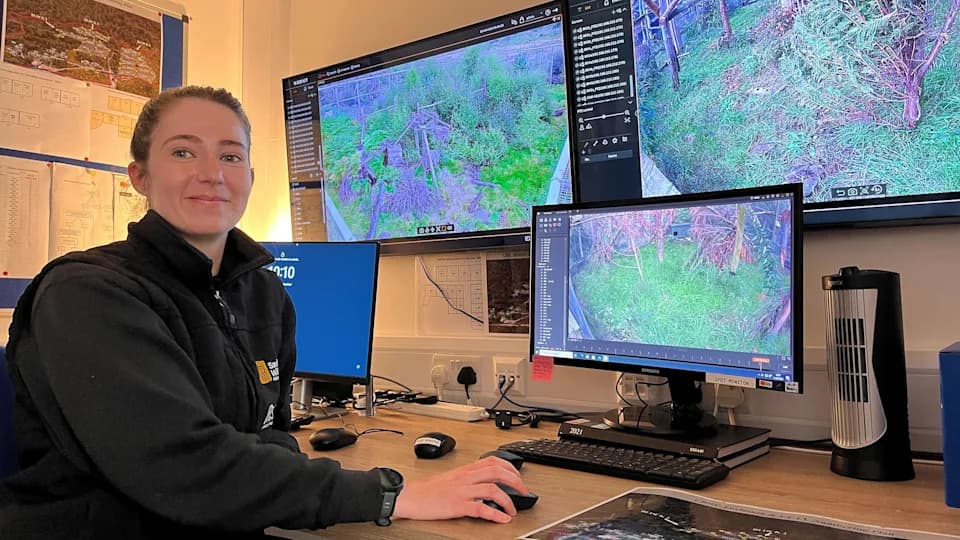
High-tech, insulated nest boxes installed in 2023 for endangered greater gliders in eastern Australia are being used by the animals, prompting emotional reactions from conservationists. A 2025 study found 100% colonisation within one year and an average occupancy time of 34 days. Developed by ANU, Greening Australia and WWF-Australia, the "Goldilocks" boxes replace hollows lost in the 2019–2020 fires and are designed to prevent overheating and fire damage. More than 200 boxes have been installed as researchers monitor whether they aid the species' recovery.
Emotional Win For Conservation: Greater Gliders Move Into Purpose-Built 'Goldilocks' Nest Boxes
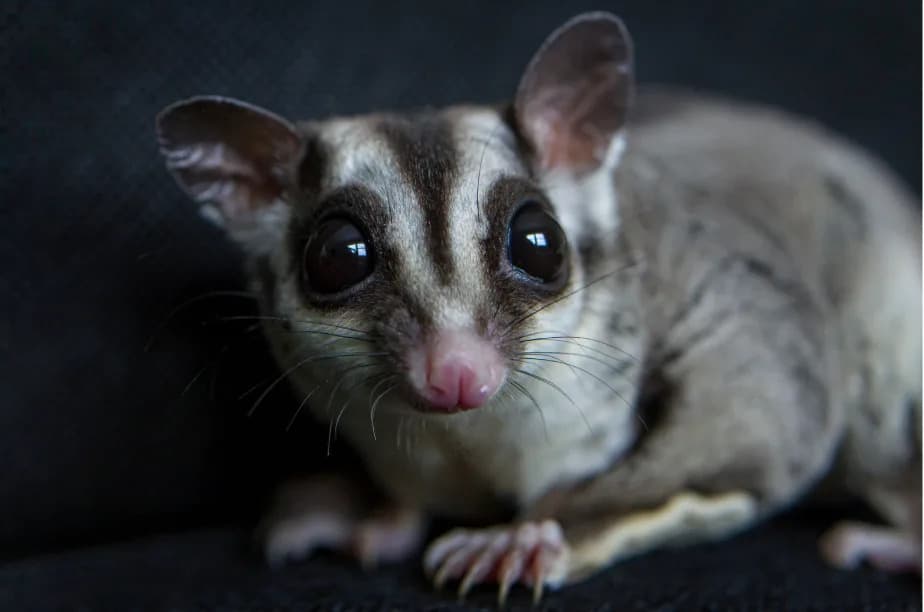
An image of a great glider
When Australian researchers began inspecting high-tech nesting boxes installed in 2023 to help the endangered greater glider, they found the animals were already moving in—an outcome that moved conservationists to tears.
The boxes were developed by the Australian National University (ANU), Greening Australia and WWF-Australia after the 2019–2020 bushfires destroyed roughly one third of the species' remaining habitat. Natural tree hollows that greater gliders rely on can take more than 100 years to form, so artificial refuges offer an urgent, short-term alternative.
"I just burst into tears, I was so surprised and so happy," said Dr. Kita Ashman, Threatened Species and Climate Adaptation Ecologist at WWF-Australia, after finding a glider in the second box she checked.
Greater gliders are nocturnal marsupials endemic to eastern Australia. They have large ears, dense fur and long tails and can glide up to 100 metres. The species is vulnerable to heat stress and habitat loss, and has been listed as endangered since July 2022.
Standard wildlife nest boxes are often unsuitable for greater gliders because thin walls and poor thermal protection can cause overheating, reducing feeding and threatening survival. The project's purpose-built "Goldilocks" boxes are insulated and finished with a non-toxic, heat-reflective, fire-resistant coating to keep internal temperatures stable and reduce fire risk.
ANU research fellow Dr. Kara Youngentob emphasized that producing and installing high-quality boxes is costly but necessary to determine whether such interventions are the best use of limited conservation funds.
A 2025 study in the journal Ecological Management & Restoration found that the greater-glider-specific boxes reached 100% colonisation within one year, with gliders occupying new boxes on average 34 days after installation. More than 200 boxes have now been installed in Victoria's East Gippsland and at Tallaganda National Park in New South Wales.
The greater glider population has fallen by an estimated 80% over the past 20 years, driven by wildfires, deforestation and climate change. Researchers will continue monitoring occupancy, survival and reproductive success to assess whether nest boxes can meaningfully boost long-term population resilience.
Looking Ahead: The rapid uptake of these purpose-built boxes offers a hopeful, evidence-based tool for short-term conservation while broader habitat protection and restoration efforts continue. The program is expanding, and scientists hope increased public awareness will encourage further protection for this iconic species.
Help us improve.