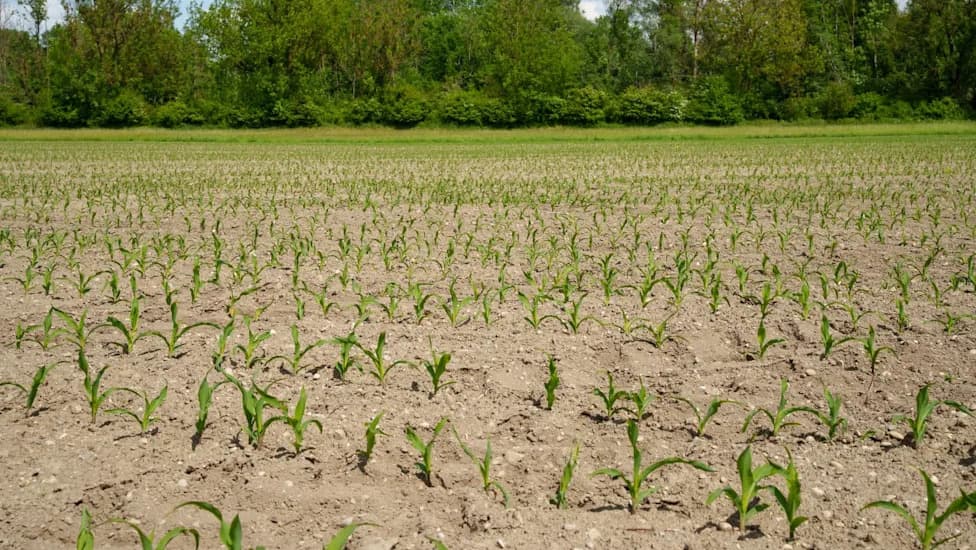
Clayton Tucker, a Texas farmer and candidate for Agricultural Commissioner, warned on TikTok that soil nutrients could collapse after “50–80 harvests.” Experts including Our World in Data say the specific timeframe is likely exaggerated but emphasize that soil erosion and degradation are real and actionable problems. Regenerative practices — cover crops, compost, reduced tillage and crop rotation — can restore soil health, a priority made more urgent by Texas’ drought and heat risks.
Texas Farmer Warns Soil Could Collapse After “50–80 Harvests” — Experts Urge Action
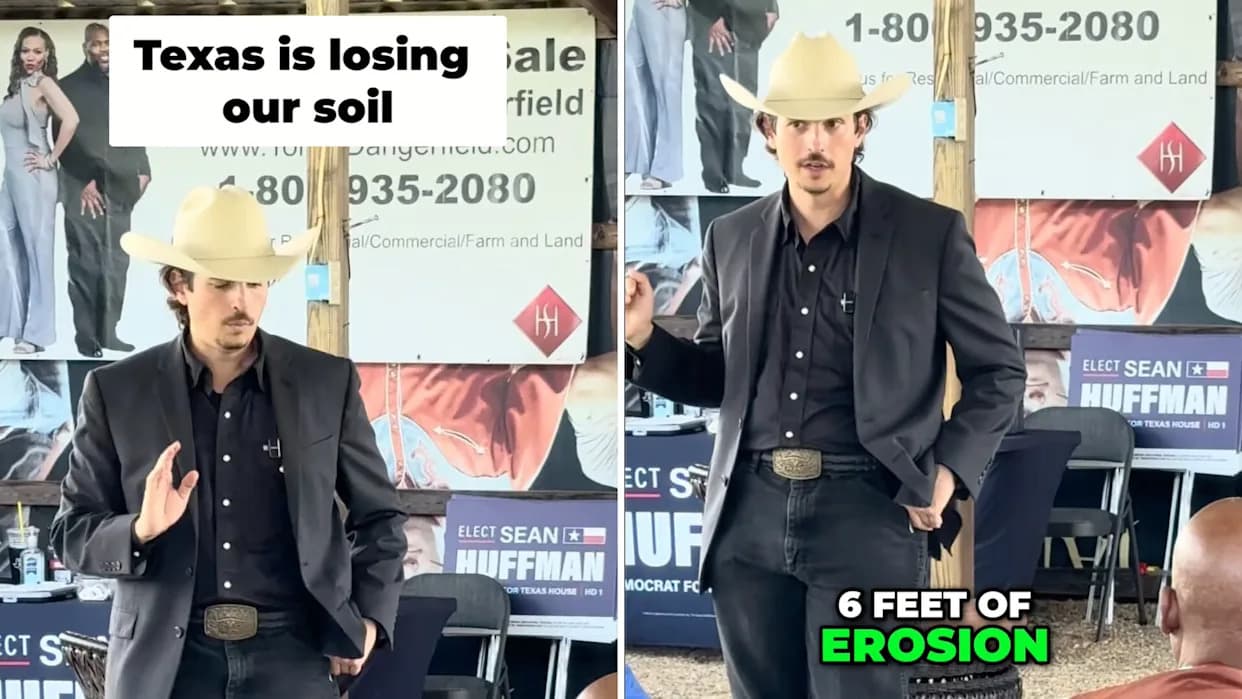
Photo Credit: TikTok
Clayton Tucker, a Texas farmer and candidate for Texas Agricultural Commissioner, drew attention on TikTok when he warned: “We are losing our soil at an incredibly scary clip.” In the clip and its caption he estimated farmers might have “50 to 80 harvests left before our soil nutrition dramatically just tanks.”
What experts say
That precise timeline has been challenged by researchers and outlets such as Our World in Data, which called the numeric claim overblown while stressing that soil erosion and degradation are real problems that can be managed. Experts note the worst-case scenarios are more likely if active soil stewardship stops and if short-term corporate incentives displace conservation practices.
Why soil matters
Healthy soil underpins food systems: it stores water, supplies nutrients, improves drought resilience, and sequesters carbon. When soil health declines, farmers often rely more on costly inputs like fertilizer and irrigation, harvests become less resilient, and consumers can face higher prices or less reliable supplies.
Practical steps to rebuild soil
There are proven practices that improve soil over time, including cover cropping, compost and organic amendments, reduced or no-till systems, crop rotation, increased biodiversity, agroforestry, and better grazing management. These regenerative approaches can restore soil structure, increase organic matter, and boost moisture retention.
Why Texas is especially vulnerable
Texas farms face additional stress from heat, drought and extreme storms. Improving soil organic matter and structure helps land absorb and hold moisture, which makes crops and communities more resilient to extreme weather.
Public response and policy implications
Replying to Tucker’s post, many commenters urged stronger soil-restoration policies and wider adoption of regenerative practices. The discussion underscores not just a scientific question about exact timelines but a policy and stewardship challenge: how to incentivize practices that protect long-term productivity.
“Our soil is dying, and the Greedy Few keep treating our land like it's disposable,” Tucker wrote in the post’s caption. “If we want healthy food, lower prices, and a future for the next generation, we have to rebuild our soil now.”
Bottom line
The “50 to 80 harvests” figure is likely an oversimplification, but the underlying warning is rooted in real risks. With targeted management, policy support and farmer adoption of regenerative practices, soil decline can be slowed or reversed — protecting both agricultural livelihoods and the wider food supply.
Help us improve.