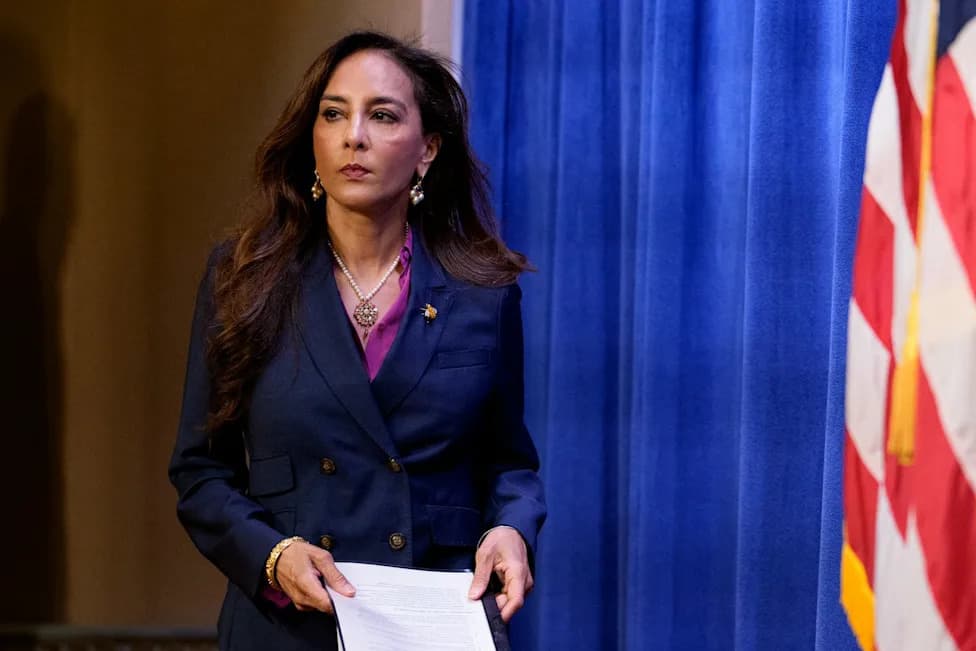
Armenia votes on 7 June as Prime Minister Nikol Pashinyan seeks re-election while facing escalating economic pressure from Russia and campaigning on a platform of European integration and peace with Azerbaijan. Pashinyan’s popularity has fallen amid controversy over the 2023 loss of Nagorno-Karabakh and accusations he conceded too much in the peace process. Russia has banned several Armenian exports ahead of the vote, while the EU pledged €50m and trade relief; the election will test whether voters will accept short-term economic pain for a possible long-term European future.
Armenia's June 7 Vote: Pashinyan Faces Russian Economic Pressure as EU Ties Take Center Stage
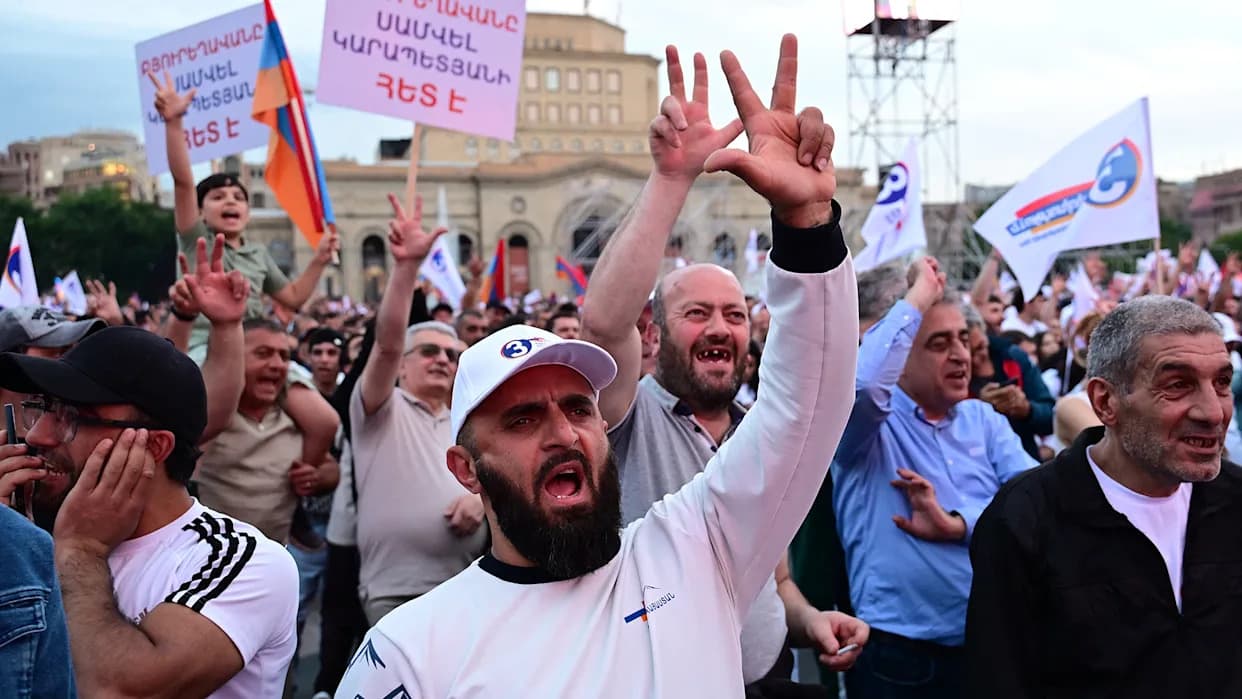
For ordinary Armenians heading to the polls on 7 June, the economic costs of turning away from Russia will be front of mind [Getty Images]
Armenia goes to the polls on 7 June as Prime Minister Nikol Pashinyan seeks re-election amid mounting Russian economic pressure and a campaign built on closer ties with Europe. The vote has drawn global attention: the three-million-strong South Caucasus nation is increasingly tilting westward while remaining economically and historically intertwined with Russia.
A Shift Westward—and A Backlash
Since 2018 Pashinyan has pushed Armenia away from Moscow’s orbit: initiating legislation to begin EU accession talks, accelerating a US-mediated peace process with Azerbaijan and hosting a high-profile summit in Yerevan attended by EU leaders and Ukrainian President Volodymyr Zelensky. Despite these diplomatic milestones, his domestic support has plunged from roughly 54% in 2021 to about 30% today.
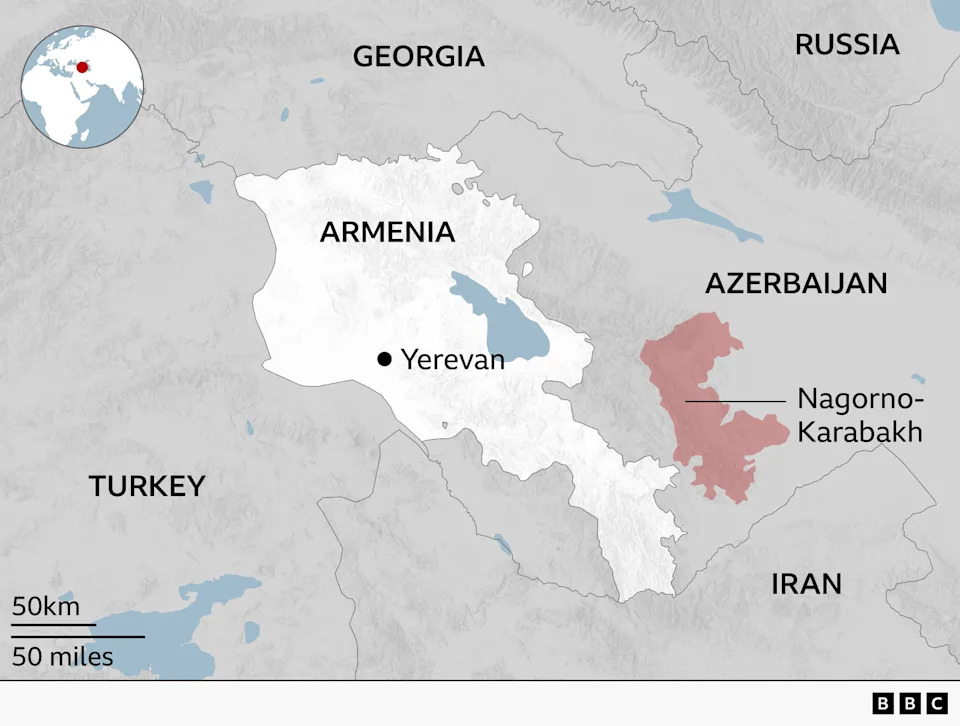
Pashinyan's critics have never forgiven him for giving up Nagorno-Karabakh [BBC]
Nagorno-Karabakh Remains Central
The decisive political issue is Nagorno-Karabakh. The mountainous enclave—once home to around 100,000 ethnic Armenians—fell to Azerbaijan in 2023. Many voters and political rivals blame Pashinyan for making concessions to secure peace, and the agreement remains divisive: recent polling showed ~44% in favour and ~41% opposed.
Opposition, Fragmentation And A House-Arrested Billionaire
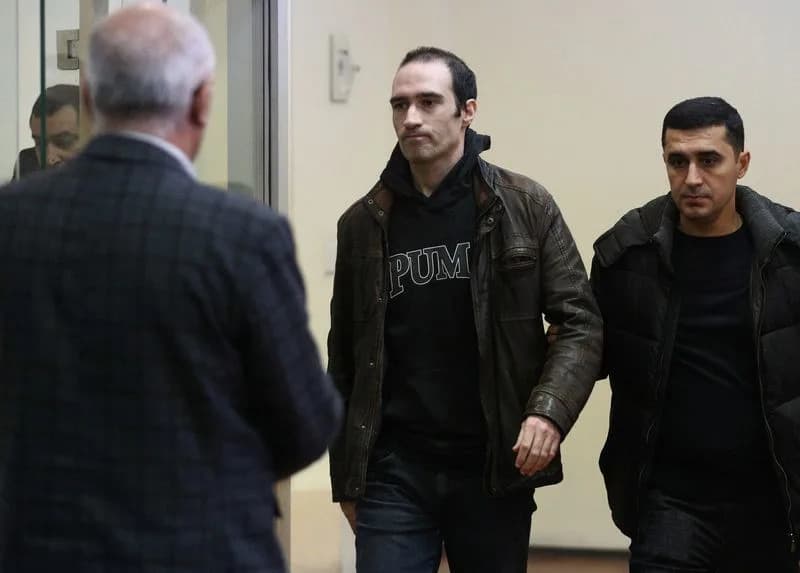
Opposition forces include the Armenia Alliance led by ex-president Robert Kocharyan; the Republican Party, aligned with former president Serzh Sargsyan, is urging supporters to vote against Pashinyan without fielding candidates. The candidacy of billionaire Samvel Karapetyan—who made his fortune in Russia—is notable: he is under house arrest on accusations of plotting to overthrow the government and is running his campaign through his nephew. Polls show Pashinyan’s Civil Contract at about 32%, while roughly 40% of voters say they trust no political figure—leaving a fragmented opposition unlikely to unseat him unless it unites.
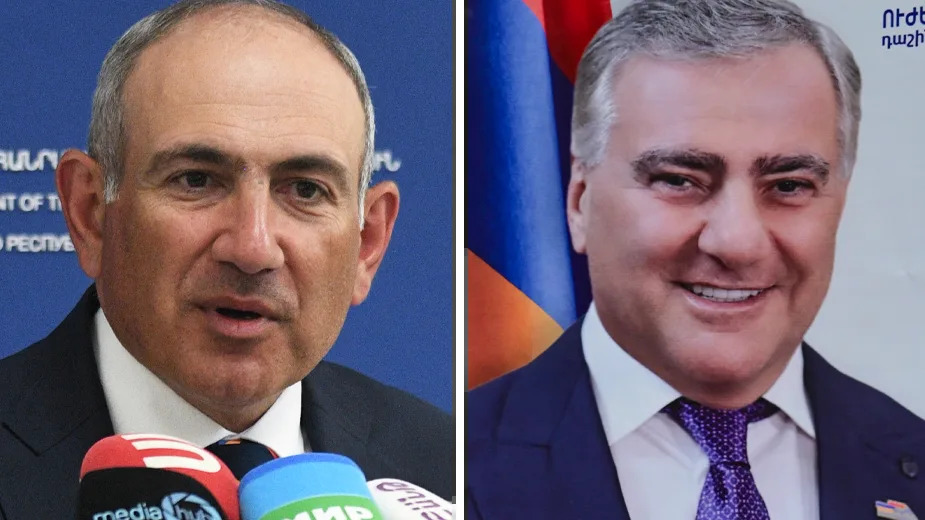
Nikol Pashinyan's main challenger is billionaire Samvel Karapetyan (right), who made his fortune in Russia [Getty Images]
Moscow's Economic Pressure
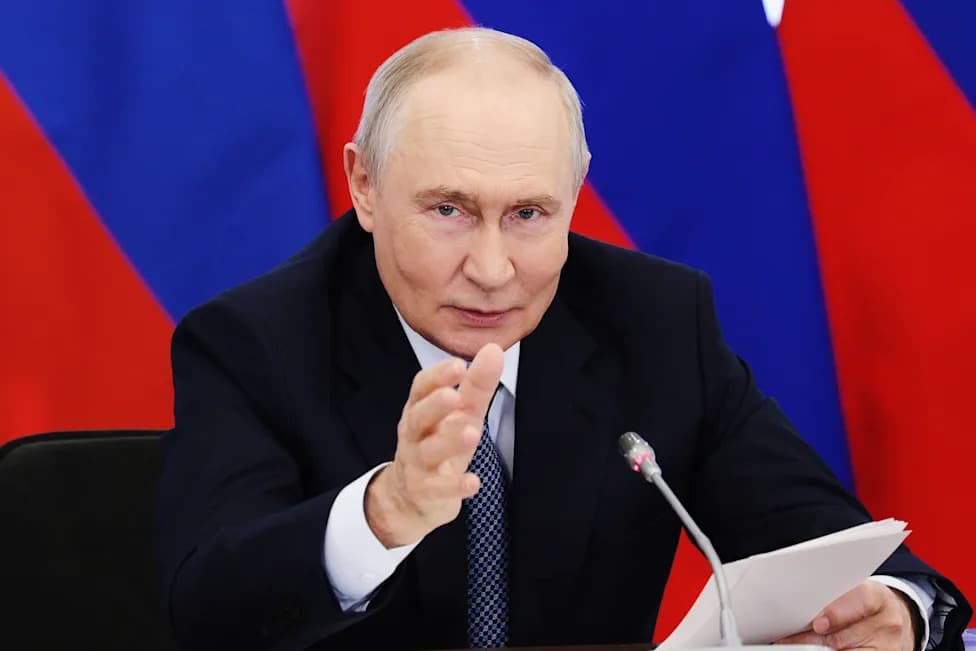
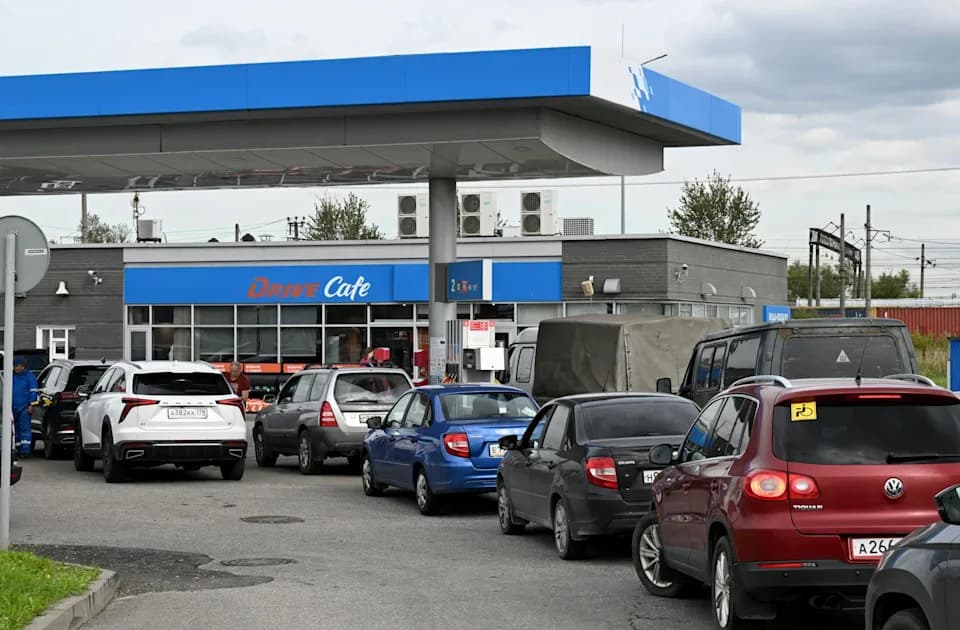
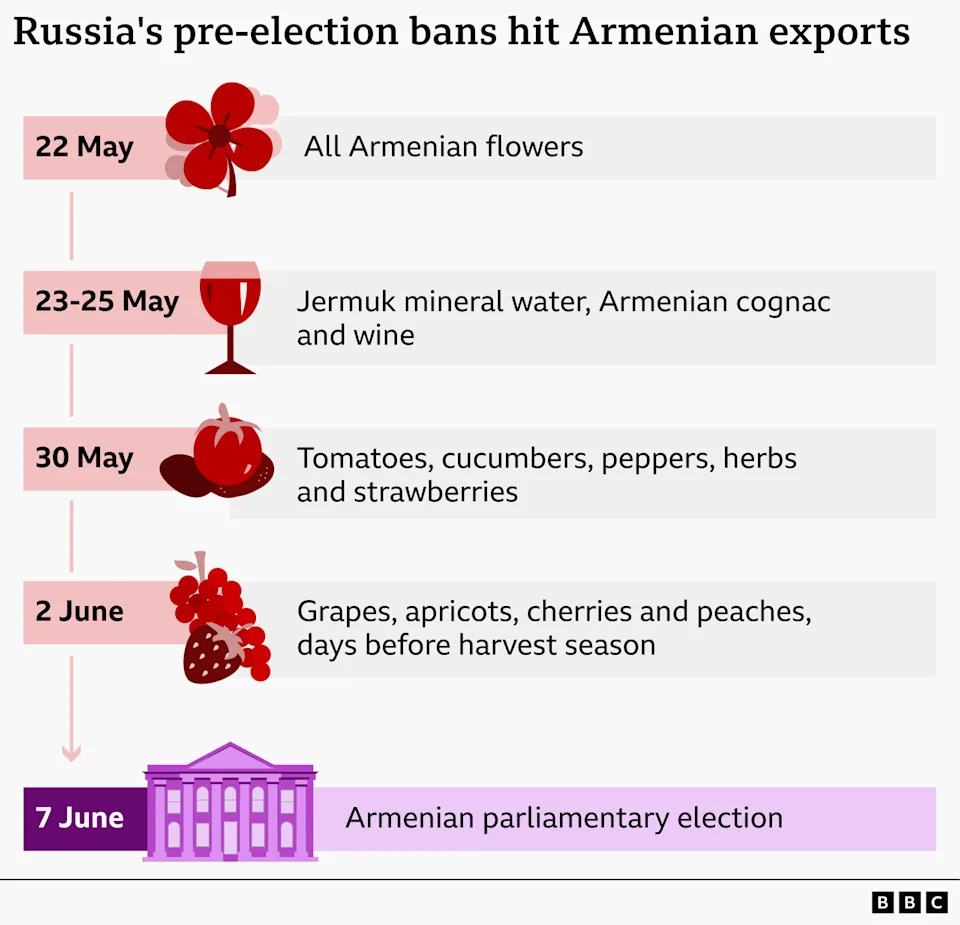
Moscow has signalled warnings and followed with concrete measures. President Vladimir Putin warned of economic costs if Armenia moves closer to the EU and linked EU accession efforts to the origins of the Ukraine crisis. In the two weeks before the election, Russia banned exports from Armenia—including flowers, mineral water, cognac, fresh vegetables and fruit—tightening economic pressure on ordinary producers and traders.
“We believe Moscow is trying to somehow impact the final results of voting on June 7,” said Haykaz Fanyan of the Armenian Centre for Socio-Economic Studies.
Russia remains Armenia’s largest trading partner, accounting for about 36% of its foreign trade in 2025. Russia sells gas to Armenia at roughly $177.50 per 1,000 cubic metres, while European market prices exceed $600 per 1,000 cubic metres—an economic lever Moscow can use to influence public sentiment. In late May Putin also urged Armenia to hold a referendum on whether to remain in the Russian-led Eurasian Economic Union (EAEU) or move toward the EU; Pashinyan responded that Armenia will continue within the EAEU until a real, unavoidable choice with the EU emerges.
[BBC]
EU Response And Domestic Tensions
The EU has responded: European Commission President Ursula von der Leyen pledged €50m in support for Armenia and vowed to ease trade for goods targeted by Russian restrictions, calling Moscow’s actions an example of “weaponising economic relations for political pressure.”
The campaign has also been fractious at home. Tensions between Pashinyan and displaced Karabakh Armenians boiled over at times: one clash involved offensive language directed at activist Artur Osipyan, who was later arrested on charges of obstructing the election campaign and began a hunger strike in protest. Opposition figures accuse Pashinyan of growing authoritarianism and misusing state resources—charges he denies.
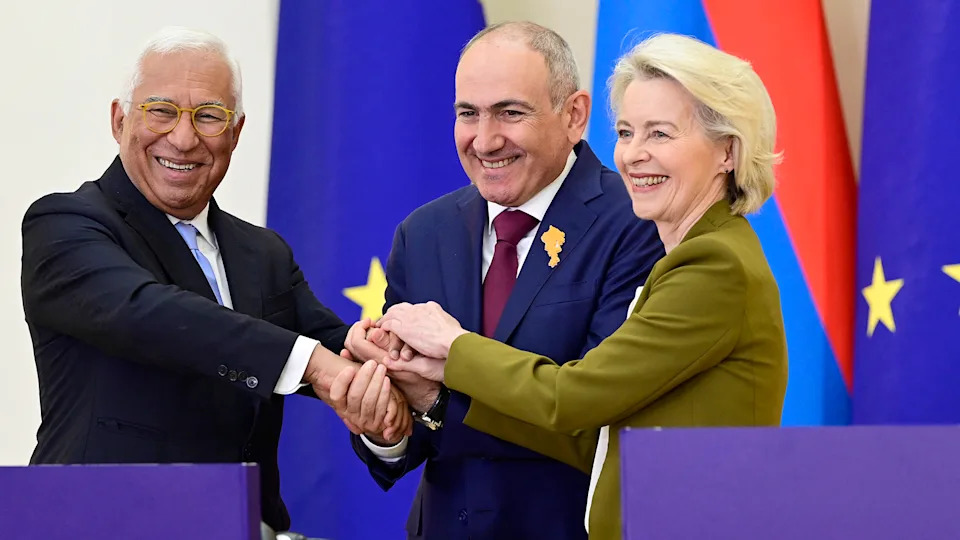
European Commission president Ursula von der Leyen (right) has accused Russia of weaponising economic relations with Armenia [AFP via Getty Images]
What Voters Face
Pashinyan presents a doctrine he calls “Real Armenia”: a nation at peace with Azerbaijan and moving toward European integration rather than reverting to past patterns of territorial ambition and dependence on Moscow. For many Armenians he remains the only clear alternative to a return to perceived corruption and authoritarianism. Yet for ordinary voters the question is practical and immediate: are they willing to accept short-term economic pain—amplified by Russian trade measures—for the prospect of a European-oriented future that could still be years away?
On 7 June, Armenian voters will deliver their answer.
Help us improve.