WellSpan Health and Philips have formed a seven-year strategic alliance to co-develop imaging, AI and workflow solutions designed to reclaim over 500,000 workforce hours annually. WellSpan says the deal moves the system from vendor relationships to deep co-development, using an "innovation sprint" model to scale pilots rapidly. The newsletter also highlights ASCO breakthroughs (including a KRAS-targeting therapy for metastatic pancreatic cancer), CMS proposals on Medicaid work requirements, concerns about AI governance in clinical settings, and several executive hires.
WellSpan and Philips Announce Seven-Year Alliance To Co-Develop Imaging, AI And Reclaim 500,000 Workforce Hours
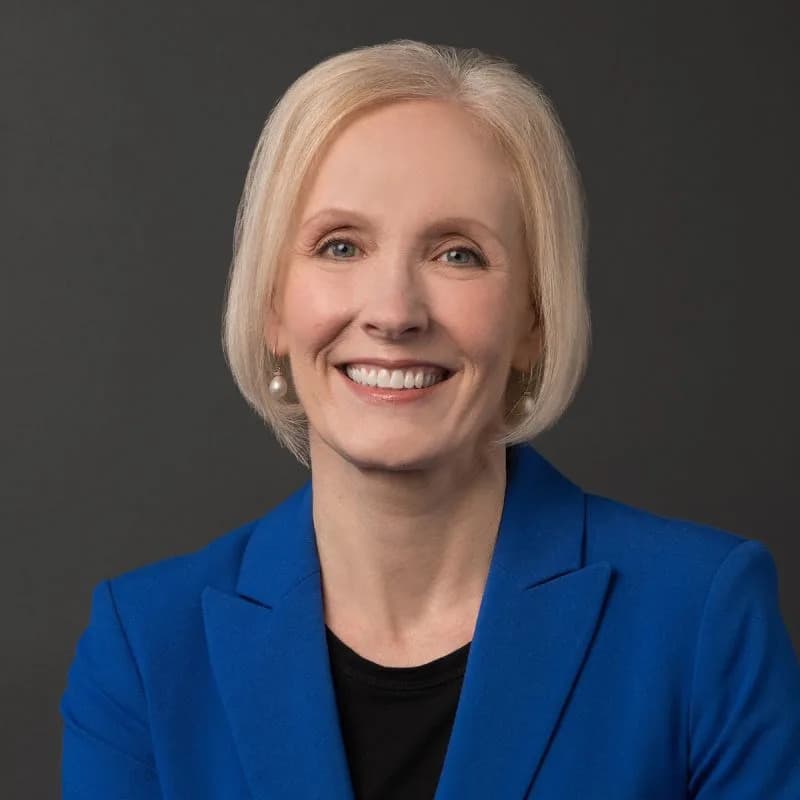
Roxanna Gapstur is president and CEO of WellSpan Health, a 12-hospital, community health system based in York, Pennsylvania.
WellSpan Health announced a seven-year strategic alliance with Philips to co-develop imaging, AI and operational solutions intended to reclaim more than 500,000 workforce hours annually. The agreement pairs systemwide imaging modernization with a joint research agenda focused on artificial intelligence, workflow efficiency and co-created products developed alongside Philips R&D.
The Deal And Why It Matters
The partnership moves WellSpan beyond a traditional vendor relationship into a deep, collaborative model that blends Philips technology platforms with WellSpan's operational and clinical expertise. Roxanna Gapstur, WellSpan president and CEO, said the system has deliberately cultivated a culture and capability for scaling innovation under its WellSpan 2030 strategic plan—prioritizing personalization, simplification and care transformation.
Co-Development, Not Point Solutions
Gapstur stressed that the value is in co-developing large, integrated platforms rather than assembling dozens of single-purpose point solutions. Philips brings not only imaging hardware but AI-enabled diagnostics and workflow tools; WellSpan brings real-world clinical settings, operations teams and a track record for scaling pilots across the enterprise.
Gapstur: We want solutions designed for everyday community care—tested in real workflows and built to scale across our system.
Reclaiming Time: Where The Hours Come From
WellSpan cites pervasive administrative waste across clinical and nonclinical areas—imaging throughput, billing, claims processing and finance—that steals time from direct patient care. Gapstur said the system exceeded its 500,000-hour reclaim target last year, illustrating the scale of inefficiency that well-designed technology and process redesign can address.
What Clinicians Will Do With Freed Time
The goal is practical: create sustainable eight-hour workloads in eight-hour shifts, reduce task-switching and documentation burden, and restore meaningful patient-facing time. Gapstur emphasized that reclaimed time should improve job sustainability and patient experience rather than simply shifting tasks around.
How WellSpan Scales AI
WellSpan credits culture, competence and a disciplined rollout process for moving from pilots to enterprise deployments. Their approach includes deep R&D and a human-centered design partnership with operational teams and frontline clinicians. An "innovation sprint"—a four-to-six-week deep dive that includes an initial pilot and a clear go/no-go decision—helps the system identify projects ready for rapid scale.
Research, Commercialization And Product Potential
Research is central to the alliance: outcomes could include peer-reviewed studies, grant-funded work, commercialized products or measurable clinical outcomes. Gapstur left open the possibility that co-developed tools could be used beyond WellSpan, noting commercialization and revenue opportunities will be part of future planning discussions.
Broader Health News Highlights
ASCO Breakthrough: A KRAS-targeting therapy from Revolution Medicines doubled median survival in a trial of metastatic pancreatic cancer patients previously treated with first-line therapy (about 6 months with chemotherapy versus 13.2 months with the new drug). FDA approval is pending and an expanded access program is underway.
GLP-1 Findings: Emerging evidence at ASCO suggests GLP-1 agonists may reduce the risk of obesity-related cancers and recurrence, though it remains unclear whether benefits stem from weight loss or other biological effects.
Survivorship Framework: City of Hope unveiled a survivorship framework to help cancer centers support long-term physical, emotional and financial needs after treatment.
Policy: CMS outlined a framework for Medicaid work requirements that could require recipients to complete 80 hours per month of qualifying activity and—according to some estimates—put coverage at risk for up to 5 million people by 2034. States will need to verify compliance at application and renewal and provide a 30-day cure period before terminating benefits.
NIH Investigations: Federal prosecutors charged two NIH researchers with allegedly smuggling more than 100 vials of monkeypox samples into the U.S. after travel to the Republic of Congo; both face criminal charges and potential prison time.
AI In The Exam Room: A Wolters Kluwer survey found nearly 60% of patients and 56% of clinicians report AI-generated materials are part of appointments, but trust and governance gaps persist—clinicians worry about hallucinations and patients worry about accountability. Only 27% of clinicians reported awareness of formal AI governance at their organizations.
Executive Moves: Ardent Health named Dave Caspers president and CEO; Min Lee will become president of UNC Hospitals on July 20; and Transcarent appointed Anjali Jameson as chief product officer.
Bottom Line
This alliance signals that community health systems are increasingly asserting influence in technology design and research. By pairing Philips' platforms with WellSpan's operational insight and scaling capability, the partnership aims to produce tools tailored to everyday care delivery while improving efficiency and clinician experience.
Help us improve.