At an Axios event in Boston on Sept. 10, biotech leaders said AI is speeding drug discovery and improving disease-risk prediction but stressed that clinical deployment requires human oversight, safety frameworks and regulatory clarity. Speakers included Yvonne Hao (Flagship Pioneering) and Dr. Connie Lehman (Clairity); the session was sponsored by Bayer. The FDA is evaluating whether AI medical devices should be assessed under standards similar to physicians.
AI Accelerates Drug Discovery — Medical Leaders Urge Human Oversight and Safety
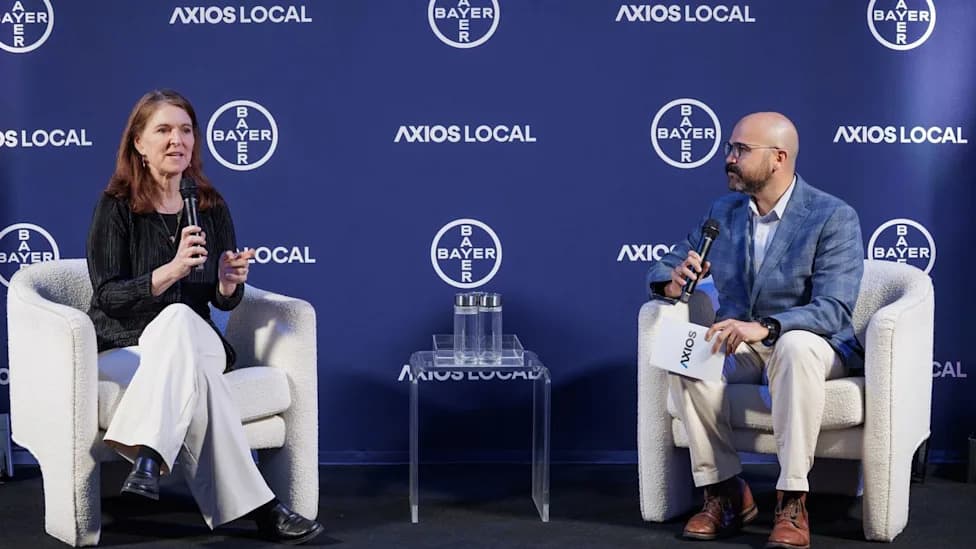
Dr. Connie Lehman, founder and CEO of Clairity, Inc. (left), in conversation with Axios Boston reporter Mike Deehan at an Axios event. Photo: David Fox for Axios
BOSTON — At an Axios event on Sept. 10, medical and biotech leaders said artificial intelligence is accelerating drug discovery and improving disease-risk prediction, but they emphasized that real-world clinical use still requires human oversight, rigorous safety checks and clear regulatory standards.
Why it matters
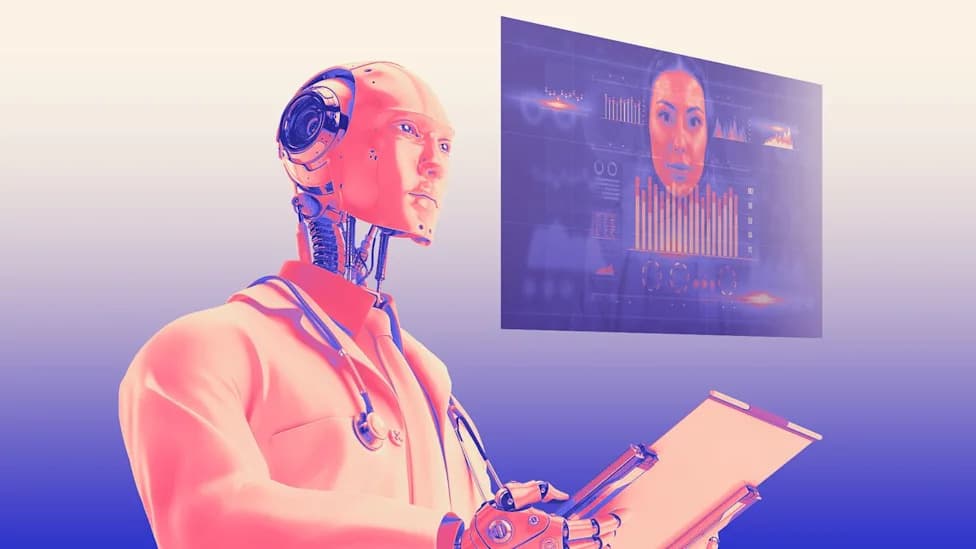
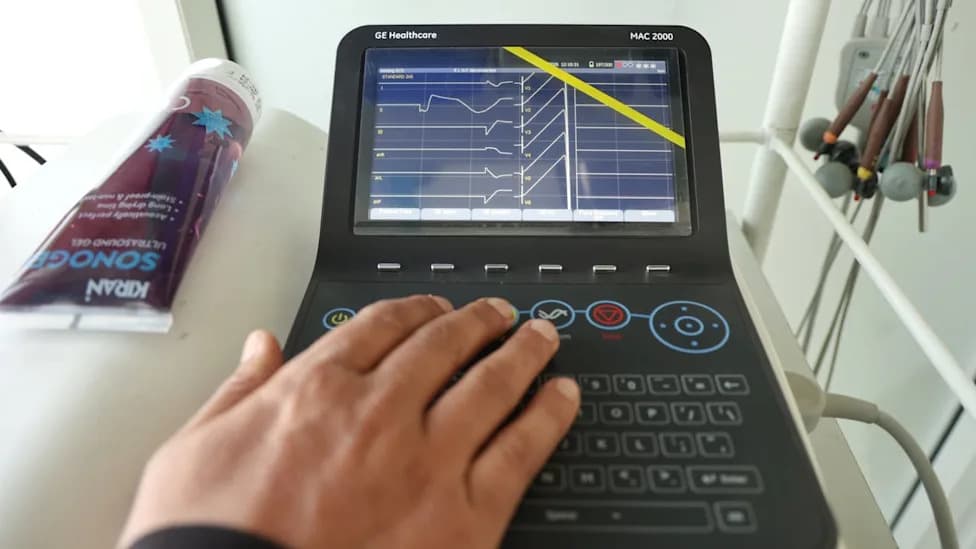
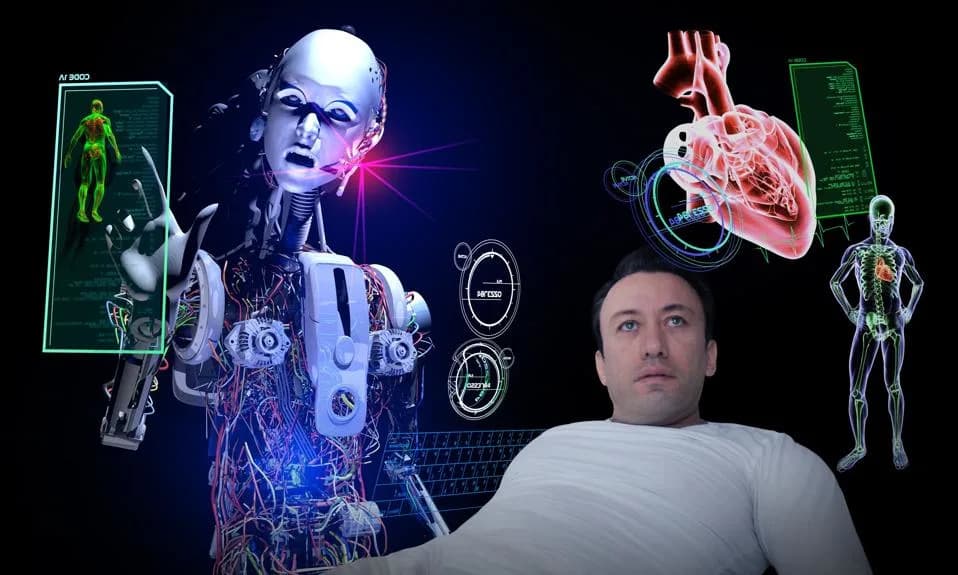
AI-driven tools are changing the speed and scale of diagnoses, care delivery and clinical trials. As these technologies are integrated into health care, stakeholders must balance faster innovation with patient safety, clinician trust and responsible governance.
Event highlights
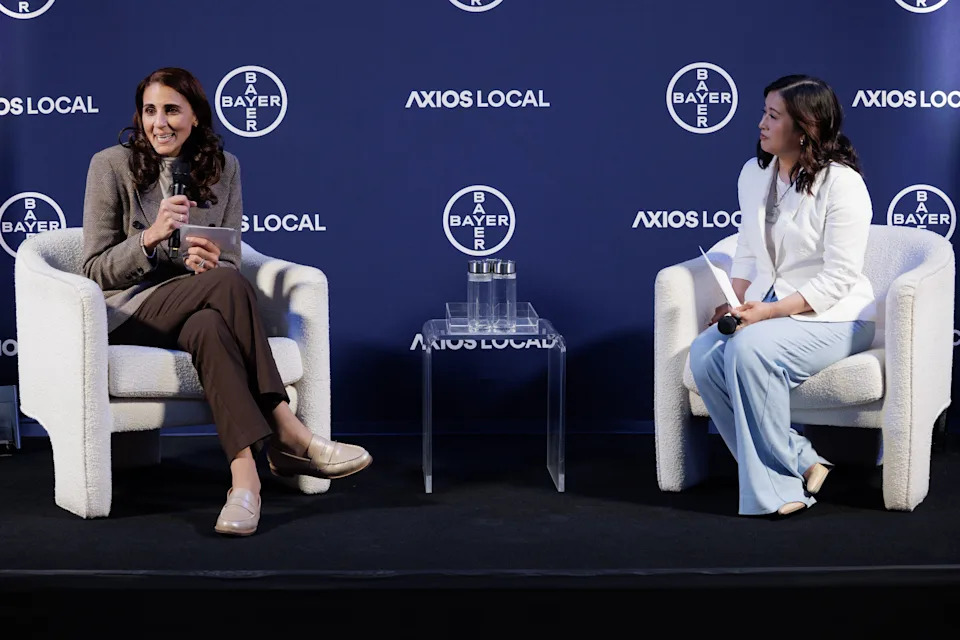
Axios reporters Mike Deehan and Dan Primack moderated a conversation with Yvonne Hao, chief operating officer and general partner at Flagship Pioneering, and Dr. Connie Lehman, founder and CEO of Clairity, Inc. The session was sponsored by Bayer.
"What guides us in our conversations, especially around AI, is: How does it link back to the mission, and are we using it for good?" Hao said, stressing that innovation must remain focused on curing disease and improving care while accounting for potential pitfalls.
Dr. Lehman described Clairity's AI model that aims to predict future breast cancer risk and noted lingering clinician hesitation about adopting AI tools for screening.
"Two things can be true at the same time: fear, but also excitement and interest," Lehman said, acknowledging both caution and curiosity among practitioners.
Lehman praised Boston's dense biotech ecosystem and academic institutions for making the city a strong incubator for health startups, but warned the region must keep investing to remain globally competitive.
Concerns beyond technology
Hao said federal research funding cuts are worrying, but she is even more concerned about the U.S. retaining scientific talent as the biotech industry grows. "I worry that if we don't have people who want to be living in America and doing their work in America... that's the next generation of people that we should be having here," she said.
Regulation and industry perspective
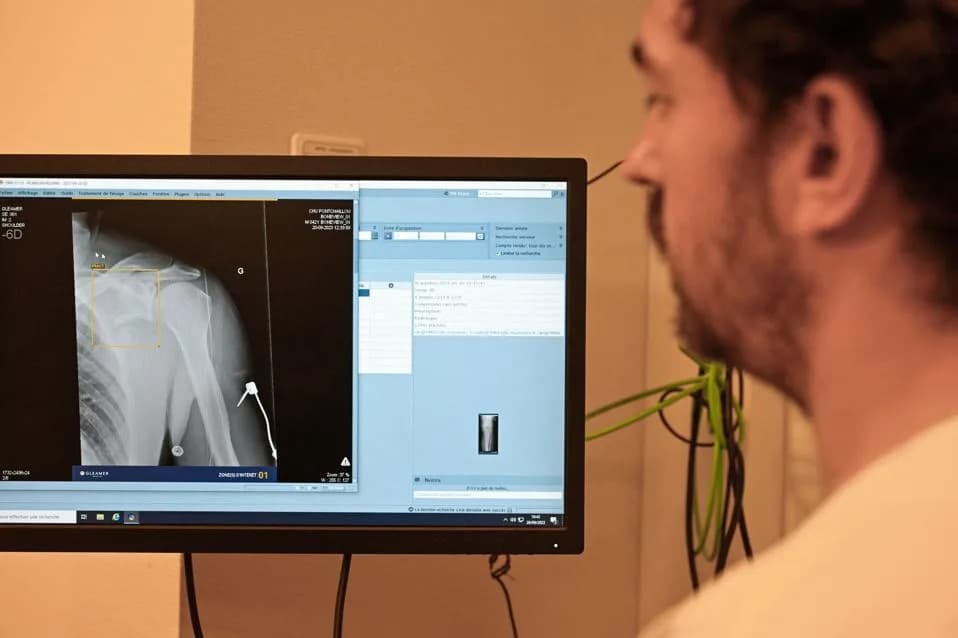
The Food and Drug Administration is reviewing whether AI-based medical devices should be evaluated with standards similar to those applied to physicians. Industry leaders, including Bayer Healthcare Pharmaceuticals' SVP and head of U.S. and North America medical affairs Dr. Yesmean Wahdan, said AI can accelerate discovery in areas such as cell and gene therapy, precision oncology, cardiovascular health and women's health.
"The AI-driven discovery, that's only going to accelerate for us what scientists and clinicians can do," Wahdan said during the sponsor segment.
Speakers at the event underscored a common theme: AI can deliver faster, more powerful insights, but meaningful human oversight, clinician engagement, funding stability and clear regulation are essential for safe and effective adoption.
Help us improve.