The crested ibis, locally called the "Toki," was reintroduced to Hakui City on May 31 when eight captive-bred birds were released in a ceremony attended by Crown Prince Akishino and Crown Princess Kiko. Raised on Sado Island, the birds are part of a decades-long recovery that began after China donated a breeding pair in 1999. Since initial reintroductions in 2008, Japan's population has grown to about 500; ten more ibises await release. This milestone reflects international cooperation and long-term conservation efforts.
Once Extinct in Japan, the Crested Ibis Soars Again — Royals Attend Release in Hakui
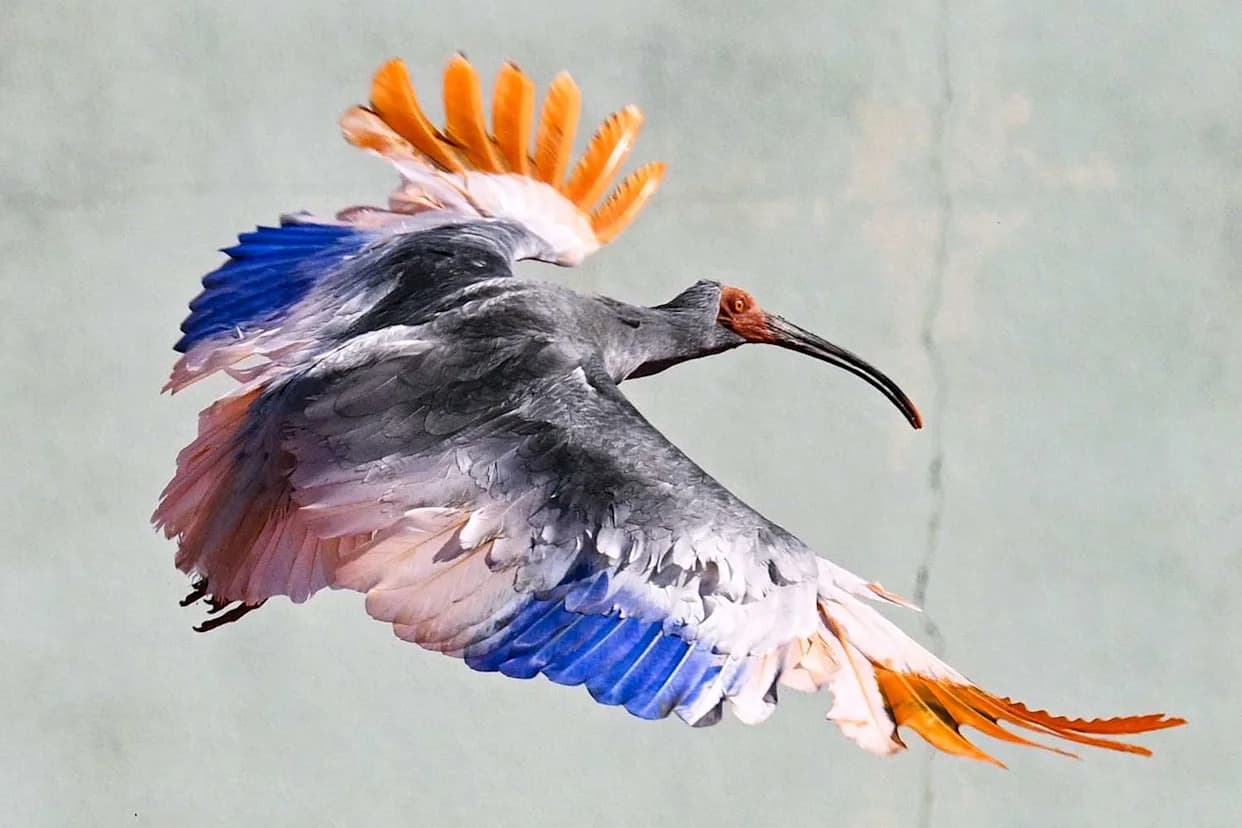
A crested Ibis marked with painted wings flies as it was released into wild in Hakui, Japan on May 31, 2026Credit: Kazushi Kurihara/Kyodo News via AP
Eight crested ibises were released back into the wild over Hakui City in the Noto region on May 31, marking the first time in decades that the species has been seen flying above this part of north-central Japan. The release ceremony was led by Crown Prince Akishino and Crown Princess Kiko, alongside local officials and conservation staff.
The birds, known locally as "Toki," were raised at a captive-breeding conservation center on Sado Island in Niigata Prefecture. Notable for their white plumage, vivid orange-pink feathers beneath the wings and bright red facial markings around the eyes, these ibises are being reintroduced to Hakui City — in Ishikawa Prefecture's Noto region — the last place they were observed in the wild in Japan.
A Long Road Back From Extinction
The crested ibis disappeared from Japan's main island of Honshu in the 1970s amid overhunting and habitat loss, and the last native bird was reported dead on Sado Island in 2003. Japan's recovery program gained momentum after China donated a pair of crested ibises in 1999; that gift led to the first crested ibis chick born in captivity in Japan and helped jump-start domestic breeding efforts.
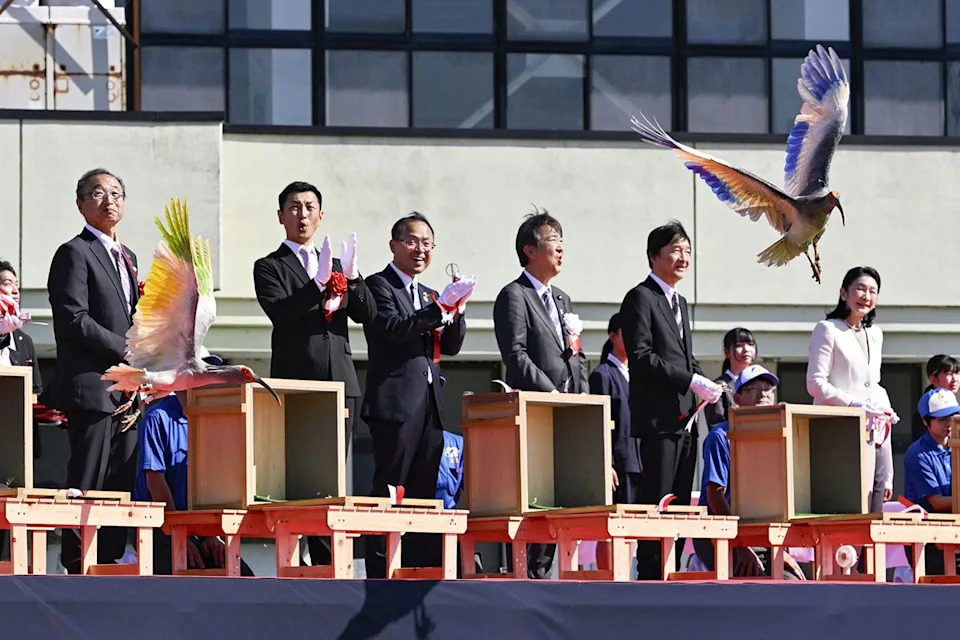
Crown Prince Fumihito (2nd from R) and Crown Princess Kiko (far R) release crested ibises into the wild in Hakui, Japan on May 31, 2026Credit: Kyodo via AP
Beginning with a small release of 10 birds on Sado Island in 2008, captive-breeding and habitat-restoration programs have expanded. According to Japan's Environment Ministry, the population has since grown to roughly 500 birds. Ten additional ibises remain in care and are scheduled for future releases as the program continues.
Regional Cooperation and Ongoing Conservation
Japan's success is part of a broader regional recovery for the species. South Korea — where the crested ibis was declared extinct in 1979 — reintroduced 40 captive-bred birds into the wild in 2019. Conservationists say international cooperation, long-term captive-breeding programs, and habitat protection are keys to ensuring the species' long-term survival.
Significance: The Hakui release is both a symbolic and practical milestone: it restores the Toki to a historic range and demonstrates the cumulative impact of decades-long conservation work.
Officials will continue monitoring the released birds, managing habitats, and preparing subsequent releases to support a stable, self-sustaining wild population.
Help us improve.