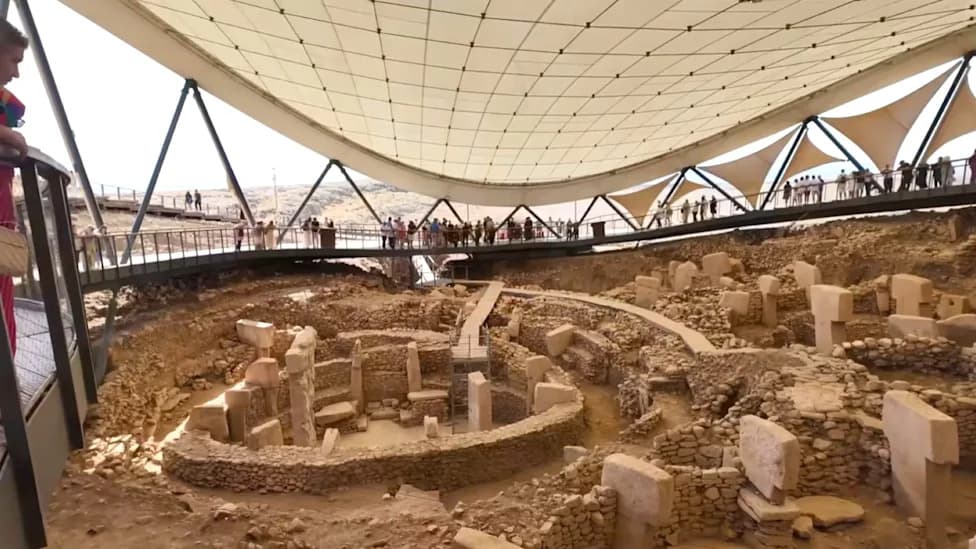
Researchers reexamined carved stone slabs from kurgans in Georgia’s Zurtaketi hills made by the Trialeti culture about 4,000 years ago. The engravings include geometric patterns, animal figures and schematic huts, alongside grouped tally-like marks that may record family labor on the burial mounds. Only 32 of the original 265 slabs were available as photographs and tracings, so the findings are provisional pending new excavations and dating.
4,000-Year-Old Tomb Carvings Reveal Rituals — And Possibly Prehistoric Timesheets
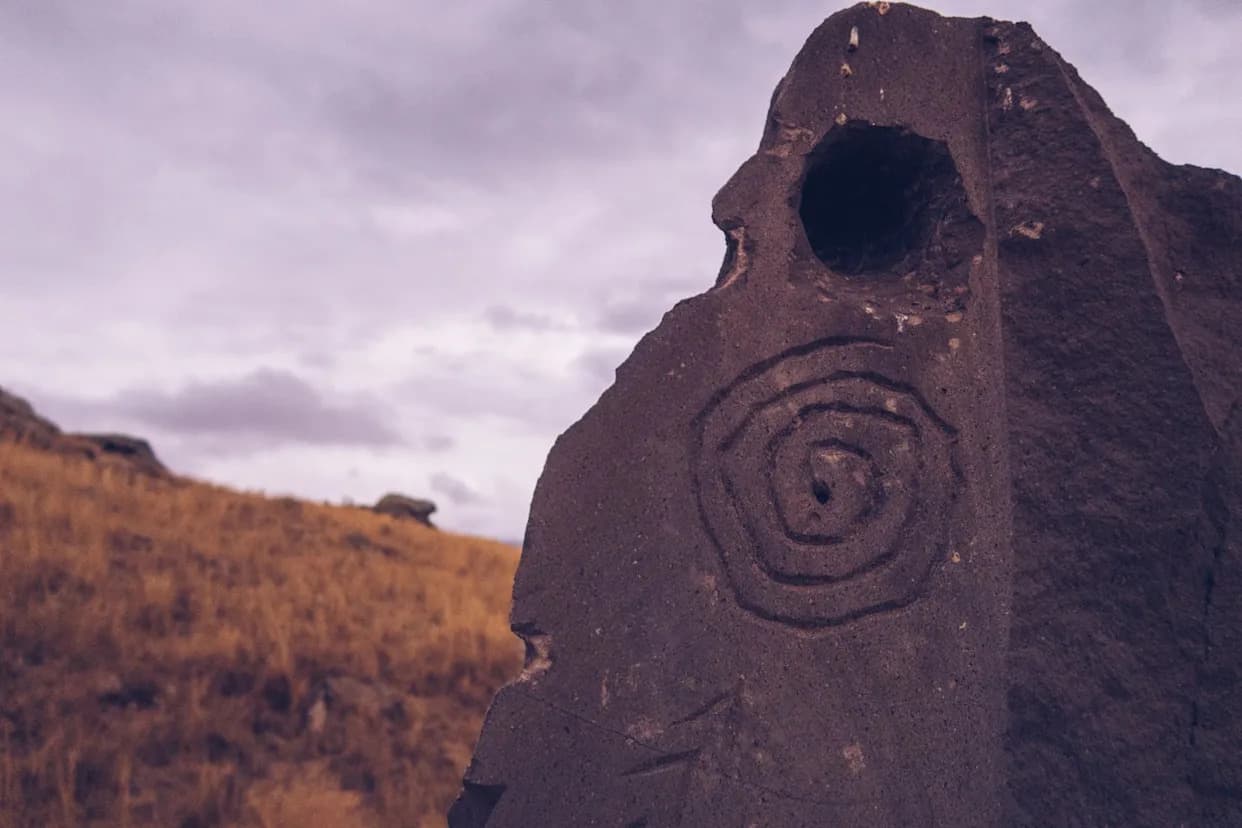
Megalithic Art Holds ‘Messages from the Dead’oixxo - Getty Images
Art carved into stone slabs from Bronze Age burial mounds in the Zurtaketi hills of modern-day Georgia offers a rare window into the beliefs and daily practices of an ancient community, new research suggests.
What the Carvings Show
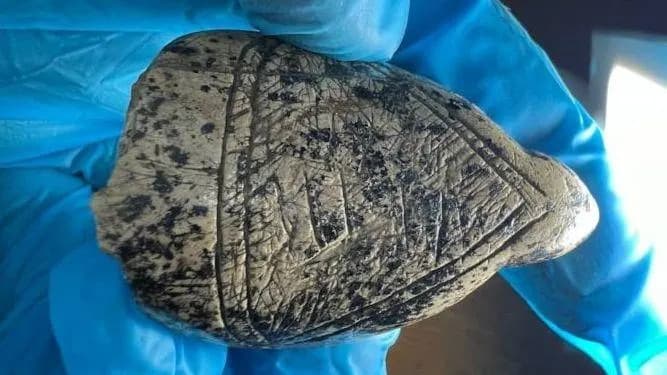
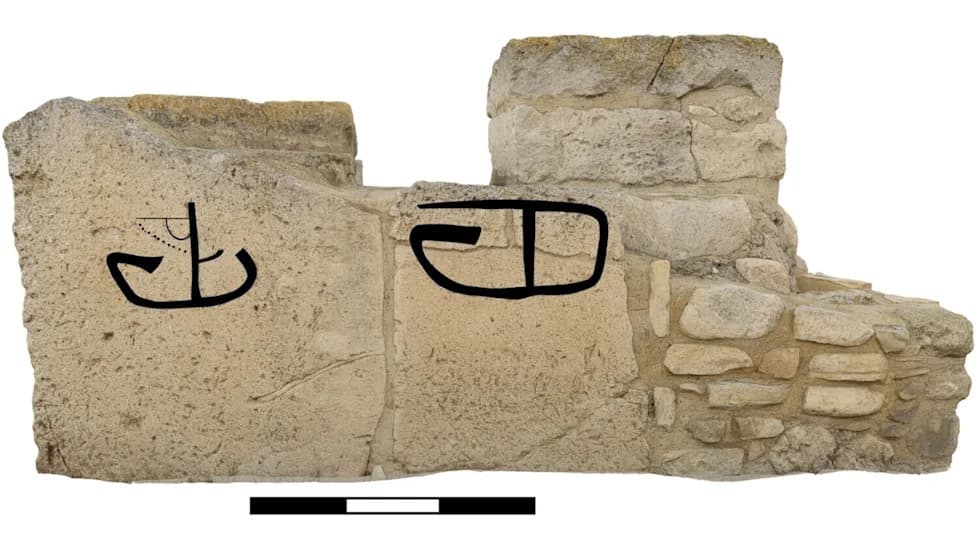
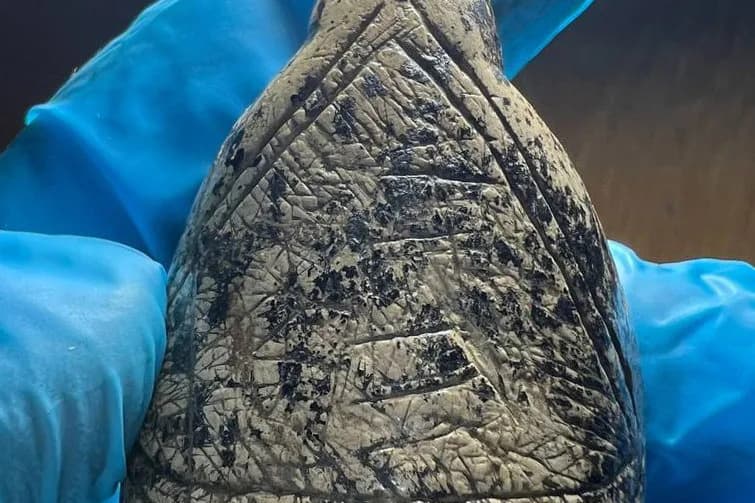
Researcher Levan Losaberidze reexamined material recorded decades ago from kurgans—burial mounds—at Zurtaketi that were built by people associated with the Trialeti culture. The engraved slabs include a broad repertoire of motifs: geometric patterns (zigzags, chevrons, netlike patterns, triangles, spirals and dotted rectangles), animal figures (notably deer and bovids), schematic representations of huts or dwellings, and clusters of tally-like marks.
Ritual, Symbolism and Practical Marks
Losaberidze argues that some incisions were likely ritual or symbolic in nature, fitting into a wider megalithic tradition across the South Caucasus. Other markings—particularly grouped tally marks—may have served a pragmatic purpose, possibly recording family labor or ‘‘work units’’ contributed to constructing the kurgans. If so, these tallies could represent an early form of record keeping or a prehistoric timesheet tied to monument building.
“The Zurtaketi kurgans provide a glimpse into the artistic, symbolic and ritual practices of Middle Bronze Age communities in the South Caucasus,” Losaberidze writes, noting the mix of geometric and zoomorphic motifs and their links to regional megalithic art.
Chronology, Scope and Limits
The Trialeti culture flourished roughly between 2000 and 1700 B.C.E. and is best known for finely crafted metalwork in bronze and precious materials. Losaberidze reports that the artistic styles visible on the slabs appear to span roughly 1,500 years and connect with megalithic traditions across Georgia, Armenia and Azerbaijan.
However, the study is based largely on records made during earlier fieldwork. Archaeologist Otar Japaridze excavated these sites between 1959 and 1964, and his original records were mostly lost. Although 265 engraved slabs were originally recorded as part of the kurgans, Losaberidze could access only 32 slabs via photographs and tracings. Because there were no new excavations or radiocarbon dates available for this study, the conclusions remain provisional.
Why It Matters
These engraved slabs enrich our understanding of how Bronze Age communities combined symbolic expression with practical activities such as monument building. The possible presence of tally marks used to record labor would, if confirmed, expand what we know about social organization, labor mobilization and record keeping in the prehistoric South Caucasus.
Next Steps: Researchers emphasize the need for new fieldwork, systematic reexamination of the full slab collection and radiocarbon dating to confirm chronology and clarify the meanings and functions of the incised marks.
Help us improve.