Researchers analysed 18 mammoth‑ivory "Venus" figurines from Mizyn, Ukraine, and found that carvers deliberately used Schreger and Owen tusk growth lines as a structural feature in their engraved designs. High‑resolution microscopy and 3D modelling, carried out as part of an urgent digital preservation effort by NGO Archaїc, made the discovery possible. The study identifies a 1,000–3,000‑year hiatus in figurine production coinciding with the Last Glacial Maximum and suggests Eastern Europe developed distinct artistic traditions.
How Mammoth Tusk Growth Patterns Shaped 18,000‑Year‑Old 'Venus' Figurines
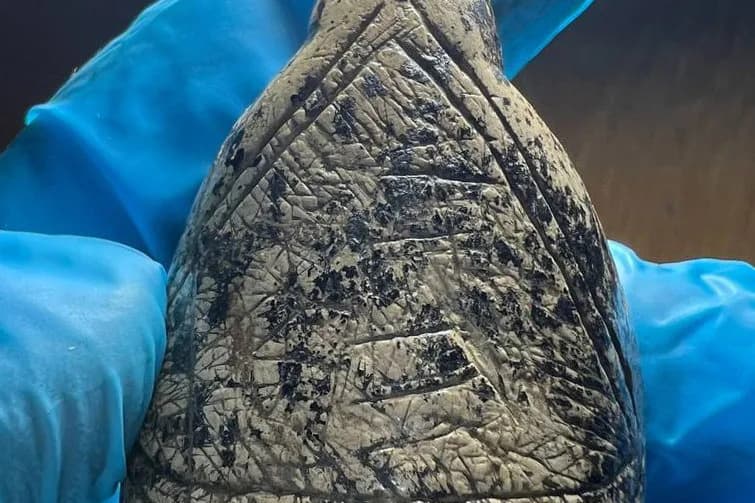
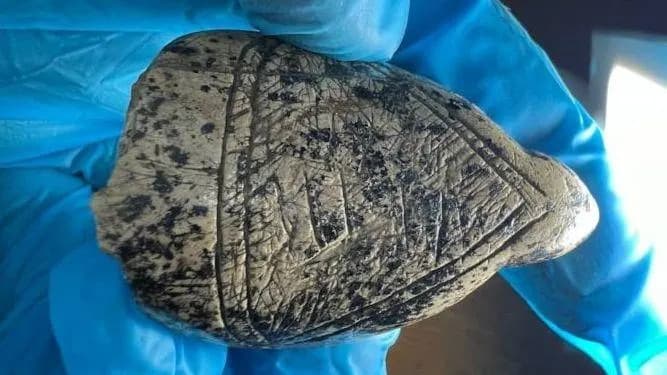
Ice Age craftspeople carefully observed and mimicked the natural lines of mammoth ivory in the art. // Cavemen used mammoth tusk patterns to create unique art, reveals new research. (University of York via SWNS)
New research shows Ice Age carvers deliberately used the natural growth patterns inside mammoth tusks to plan and execute the engraved designs on 18,000‑year‑old female figurines from Mizyn, Ukraine.
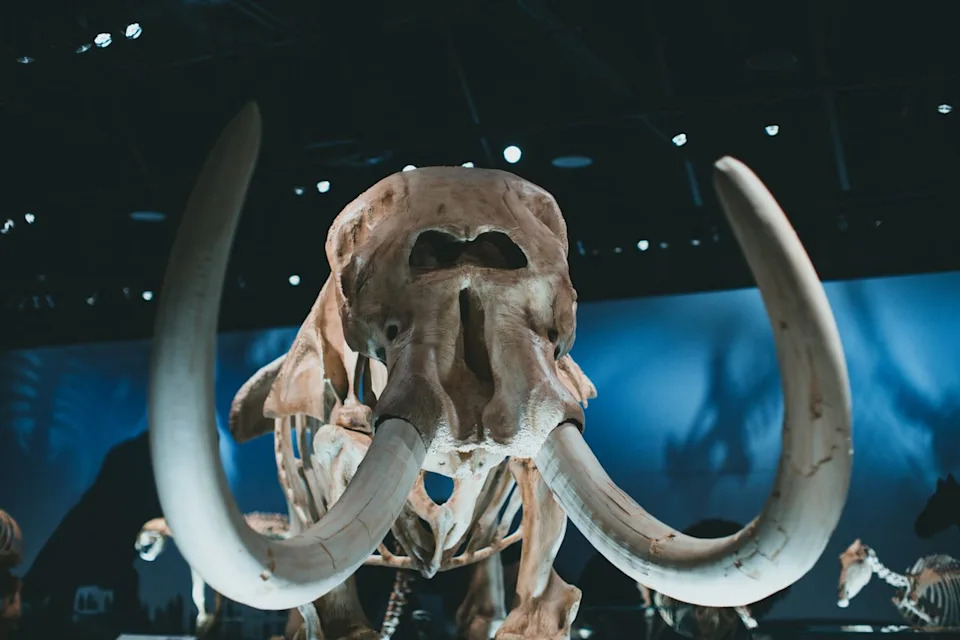
(Photo by Jonathan Cooper via Pexels)
What Researchers Found
Microscopic, high‑resolution analysis combined with 3D digital modelling of 18 ivory figures demonstrates that artisans observed the distinctive Schreger and Owen lines — the natural cross‑hatching and internal growth marks of mammoth ivory — and incorporated those lines as structural elements in their surface decoration.
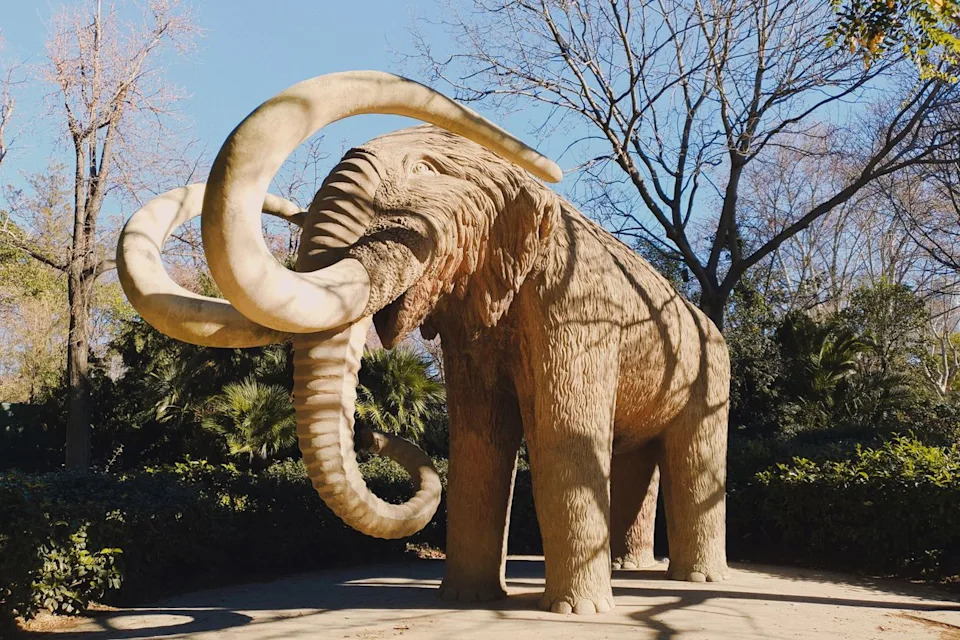
(Photo by Aaron Porras via Pexels)
Methods and Preservation
The artifacts were documented as part of an urgent heritage preservation initiative led by the Ukrainian NGO Archaїc. Because physical access to the pieces at the National Museum of the History of Ukraine in Kyiv has been restricted by the ongoing conflict, researchers relied on digital scanning, high‑resolution microscopy and 3D models to record and study the figures.
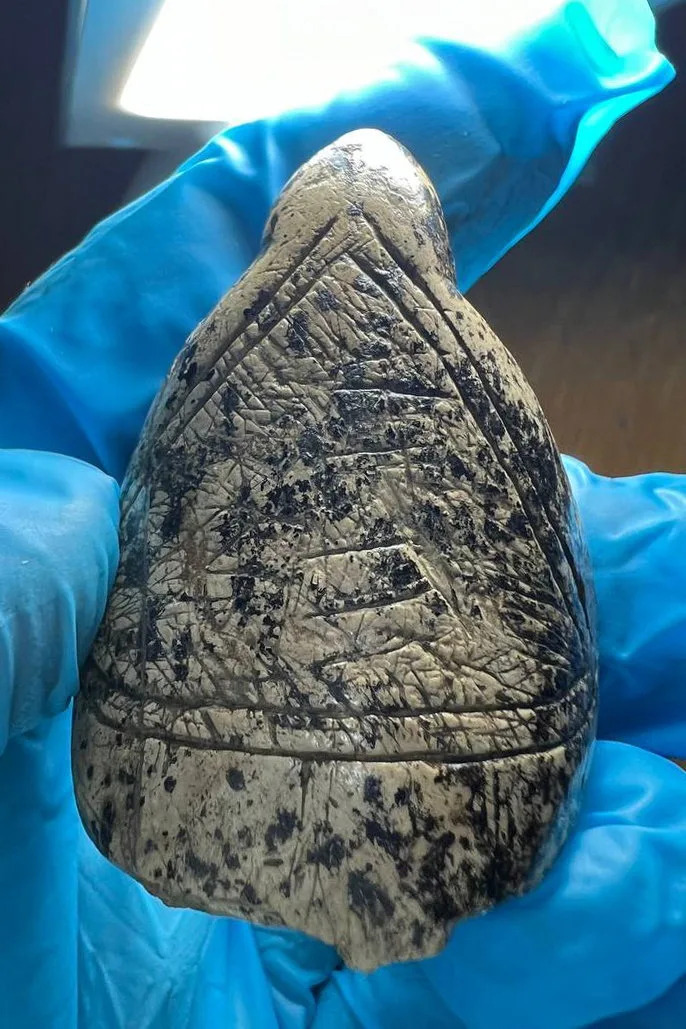
Intricate designs engraved on the surface of 18,000-year-old female figurines carved from mammoth ivory were inspired by "distinctive" growth patterns visible in the tusks, say scientists. (University of York via SWNS)
"Identifying visual evidence of how mammoths were integrated into artistic traditions, both through the use of their ivory and the deliberate inscription of its natural patterns, represents a genuine breakthrough," said Aimée Little of the University of York.
Context and Implications
The team — researchers from the U.K., Germany, Norway and Ukraine — also identified a notable chronological hiatus of roughly 1,000 to 3,000 years in figurine production across Europe that coincides with the Last Glacial Maximum. When figurine making re‑emerged around 18,000 years ago, it appears to have begun earlier in Eastern Europe than in the West and included unique local techniques such as reproducing internal tusk patterns.
These findings, published in the journal Heritage Science, challenge simple evolutionary models that portray prehistoric art progressing linearly from ‘‘basic’’ to ‘‘complex.’p>
"Eastern European artists at Mizyn appear to have forged an independent artistic path rather than merely inheriting styles from the West," said Andrew Needham of the University of York.
Next Steps and Cultural Value
Researchers say further digital analysis will help clarify how artistic expression developed across Ice Age Europe and what symbolic or ritual roles these figurines might have served. Beyond scholarship, the project highlights the importance of high‑quality digital records for protecting cultural heritage, especially when access to physical collections is threatened.
Help us improve.