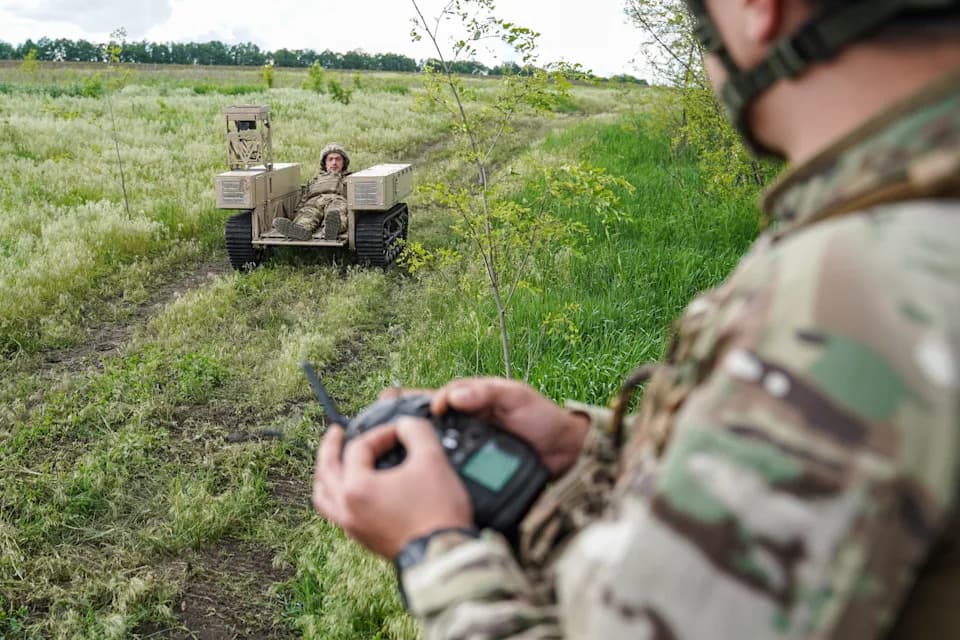
Ukraine has adapted drone operations to survive intense targeting by keeping units mobile, concealed and, when possible, basing command functions underground. At a Riga summit, Ukrainian and NATO officials urged Western militaries and defense firms to adopt mobile, distributed and hardened structures—even at higher cost. Dispersing forces and production reduces vulnerability but increases logistical and operational complexity, especially for smaller states.
Ukraine’s Drone Lesson for NATO: Keep Units Mobile and Command Centers Buried Deep
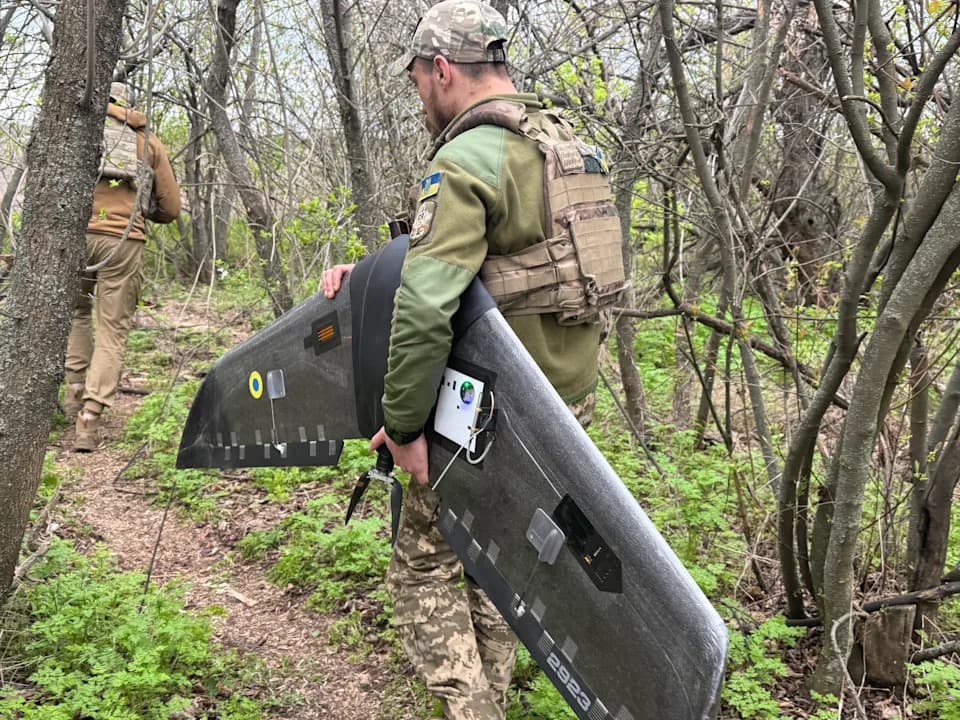
Ukraine's drone pilots, units, and operations are a top priority for Russia.Alex Nikitenko/Global Images Ukraine via Getty Images
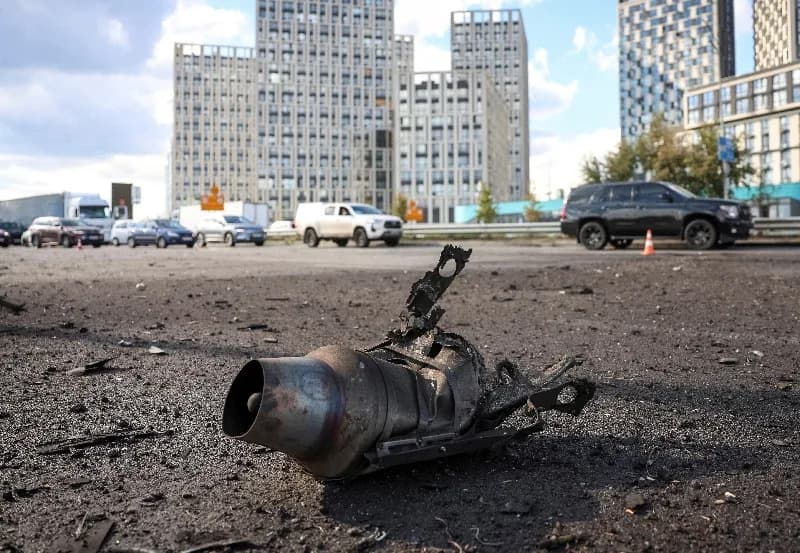
Russia has repeatedly targeted Ukrainian drone crews, units and the command hubs that coordinate them, prompting Kyiv to adopt constant movement, concealment and, where feasible, underground basing for those elements. Western militaries and defense firms are watching closely and taking note.
Key Lessons From Ukraine
Speaking at a drone summit in Riga, Taras Berezovets, head of military cooperation for Ukraine's Territorial Defense Forces, warned that drone units and command nodes are high-value targets that require extraordinary protection measures—even if those measures are costly.
“This war, especially in terms of the drone war, is like a cat-and-mouse game. The Russians are always searching for the locations of our drone units,” Berezovets said. “We routinely relocate teams whenever there is a risk they have been exposed. Command centers and training hubs should be as deep underground as possible.”
Ukraine reports that drone operations have had an outsized effect on the battlefield; Kyiv attributes roughly 90% of Russia's reported front-line losses to drone activity. That effectiveness makes drone operators, unit leaders and control hubs top targets for Russian strikes.
Practical Measures Ukraine Uses
To stay ahead of Russian targeting, Ukrainian forces have adopted a mix of tactics:

Ukraine keeps command posts hidden and mobile, even though it makes coordination more difficultGenya SAVILOV / AFP via Getty Images
- Constant mobility: units relocate frequently to avoid detection.
- Concealment and underground basing: where possible, command nodes and operators work from buried or hardened positions.
- Vehicle-mounted command systems: mobile command apparatus installed in trucks and armored vehicles enable quick relocation.
- Dispersed manufacturing: defense firms spread production across multiple smaller sites rather than concentrating in a single large factory.
Ukrainian firms report operating dozens of dispersed facilities to reduce the risk of a single strike crippling output. Speaking under a pseudonym, Achi, CEO of Ark Robotics, said the company avoids a single "gigafactory" model and keeps manufacturing functions separate and flexible. Karmo Saar of Estonian drone maker Krattworks noted that some Ukrainian producers already run 15+ sites for resilience.
What This Means for NATO
NATO officials echo the warning that Cold War–era and post–Cold War models of centralized command may be increasingly vulnerable. Sir John Stringer, NATO's Deputy Supreme Allied Commander Europe, told Business Insider that the traditional large, single air operations centre model is becoming untenable and that greater distribution reduces vulnerability but increases operational complexity.
Trade-offs and challenges: dispersal and underground basing improve survivability but raise costs, complicate logistics, strain communications and require new legal and coordination frameworks for multinational operations. Smaller NATO countries face additional constraints because they have less territory for repeated relocation.
Bottom Line
Ukraine's experience suggests Western militaries and defense industries should plan for mobile, discreet and dispersed drone operations and production. Moving command capabilities underground and adopting mobile command nodes can materially reduce risk—if governments and companies are willing to accept the added cost and complexity.
Help us improve.