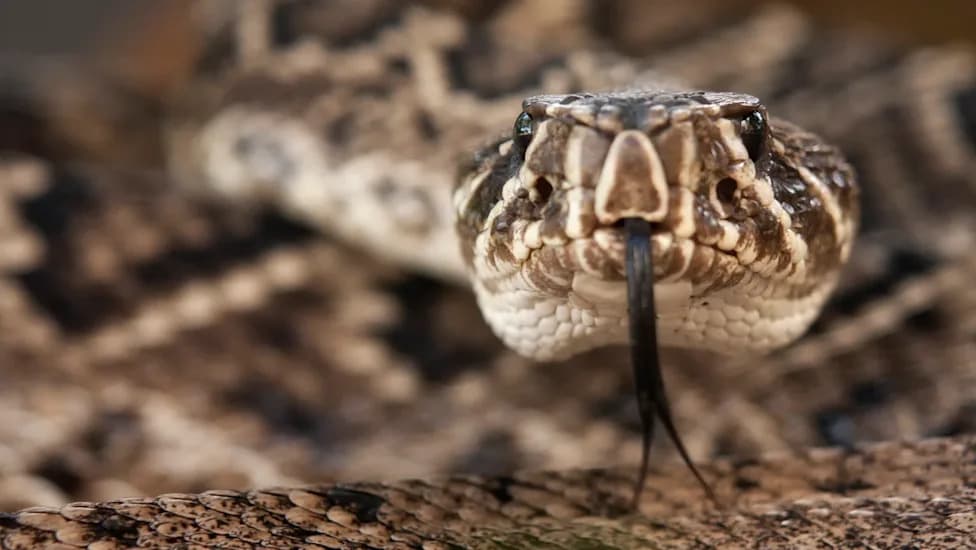
Project RattleCamnow streams three live feeds from communal rattlesnake birthing sites in California, Colorado and Pennsylvania. The California camera runs daily from 7 a.m. to 8 p.m. and is in its sixth year, featuring returning snakes like "Archie." Researchers use the footage to study behavior — including maternal care — while the public can watch, submit observations, learn safety tips and use a free humane removal service on the Central Coast.
Live 'RattleCam' Streams Reveal Rattlesnake Rookeries — Turning Fear Into Curiosity
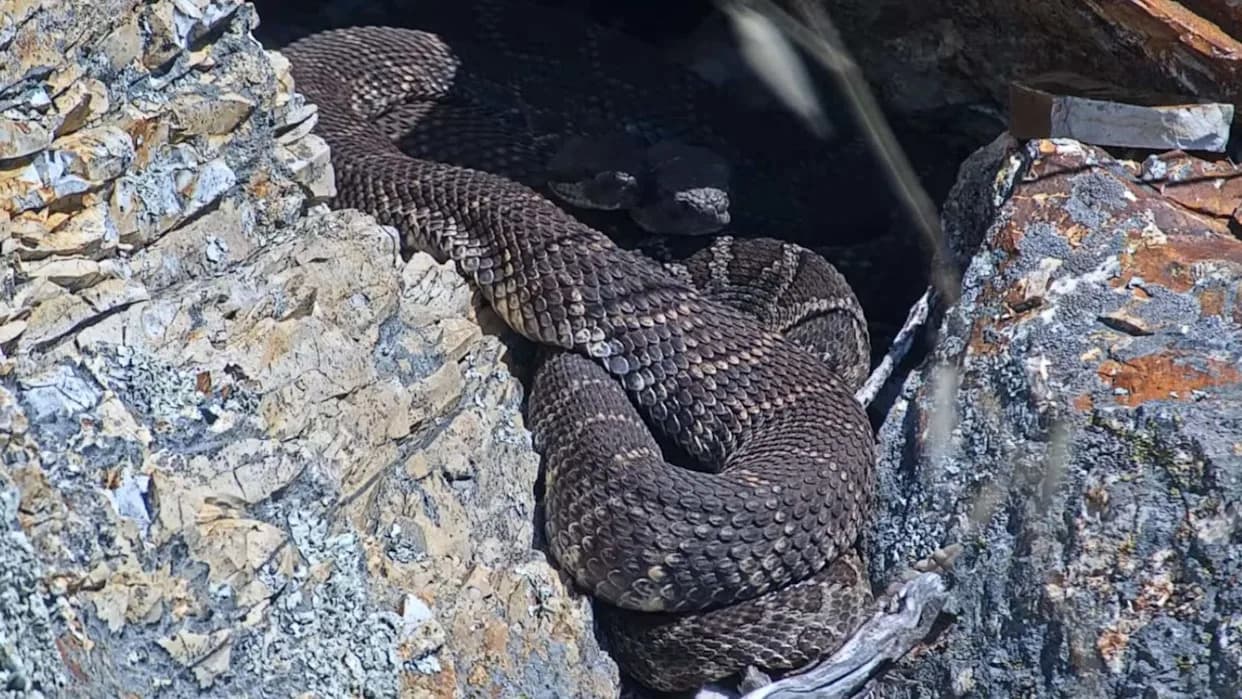
Photo Credit: Project RattleCam
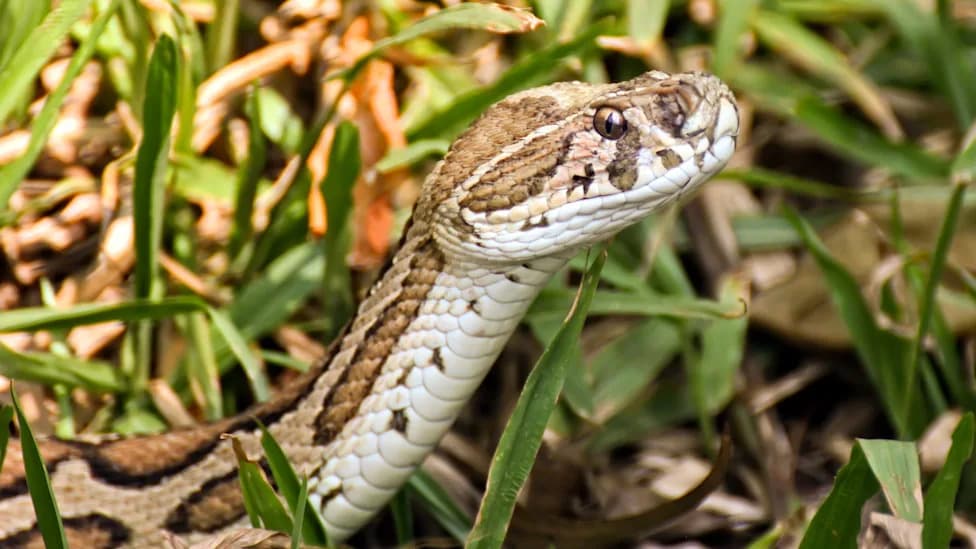
A new livestream from Project RattleCamnow gives viewers an uncommon look inside communal rattlesnake birthing areas, or rookeries, on California's Central Coast and in Colorado and Pennsylvania. Researchers hope the close-up view will replace fear with curiosity and help the public better understand these animals.
What the Cameras Show
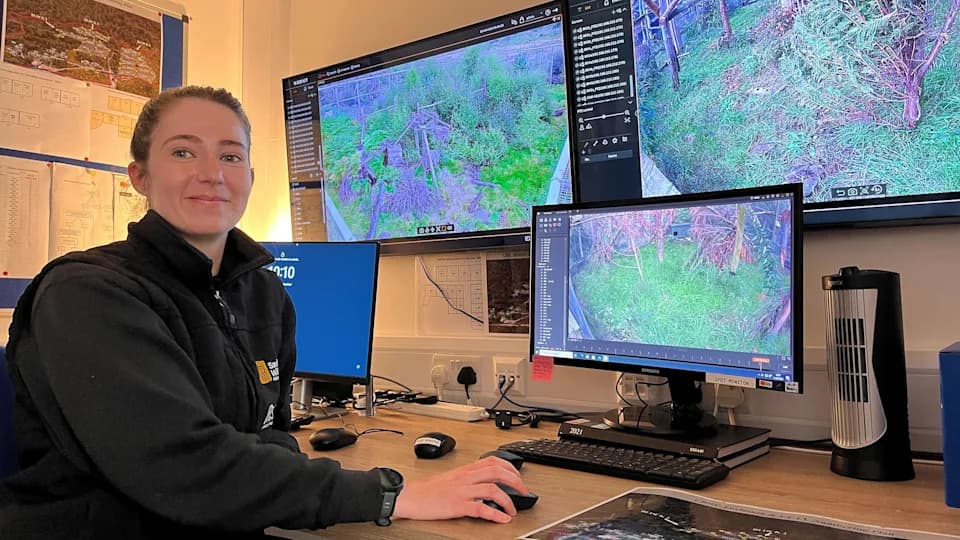
Project RattleCamnow currently operates three cameras trained on rattlesnake birthing sites. The California feed runs daily from 7 a.m. to 8 p.m., with late morning through midday typically offering the clearest views. These sites are not nests in the bird sense but communal areas where female rattlesnakes gather during the summer and often give birth in August or September.
Research And Public Engagement
Emily Taylor, a biological sciences professor at Cal Poly San Luis Obispo, said the camera in California is now in its sixth year and has become a reliable tool for both research and public outreach. Some returning individuals have become crowd favorites — "Archie" is one snake many viewers recognize.
The livestreams serve two purposes: they let the public observe natural rattlesnake behavior and they provide a way for volunteers to contribute observations and basic data to researchers. Taylor and her students use the footage to study behavior such as maternal care; while rattlesnakes do not nurse, females often remain with their young and have been seen "babysitting" offspring that are not their own.
Safety, Conservation And Community Services
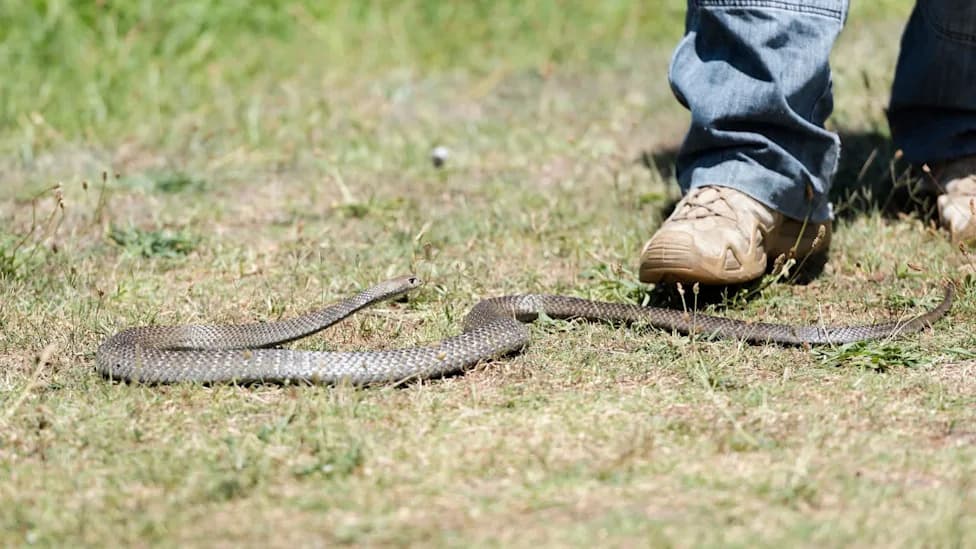
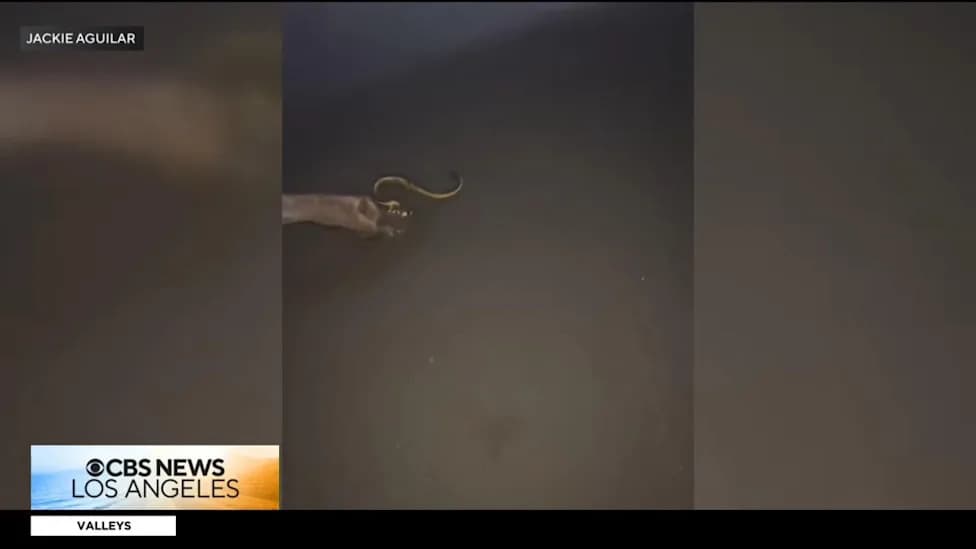
Rattlesnakes are a normal part of life along the Central and South coasts. Although there have been recent bite incidents in the region, including one fatality, Taylor emphasized that these events do not mean snakes are becoming more aggressive or more numerous. Many dangerous encounters occur when people accidentally get too close while hiking, gardening, or reaching into hiding spots.
Local populations are generally healthy, but habitat loss from construction can harm specific groups. To reduce conflict, Taylor's team offers a free, humane rattlesnake removal and relocation service on the Central Coast so animals are moved safely rather than killed.
"They're not these scary monsters that the media can make them out to be. Instead, they are these really gentle creatures that are absolutely fascinating,"
How To Watch And Help
Members of the public can watch the live feeds, learn safe behavior around snakes, and submit simple observations that support research. When outdoors, stay aware of where you step or reach and give rattlesnakes plenty of space.
Help us improve.