Smoke from Canadian wildfires has dimmed Ohio's morning sunlight, narrowing the already limited window conservationists use to find pregnant Eastern massasauga rattlesnakes before they go underground or give birth. With the species reduced from 28 counties to as few as eight, researchers led by Greg Lipps are scanning Killdeer Plains and planning translocations to Cedar Bog, where habitat improvements and monitored enclosures support newborn survival. Relocated adults produced 58 young in 2024 and 23 in 2025, and some offspring appear to have survived multiple winters — early signs that paired translocation and habitat work can help recovery.
Canadian Wildfire Smoke Narrows Window to Rescue Endangered Ohio Rattlesnakes
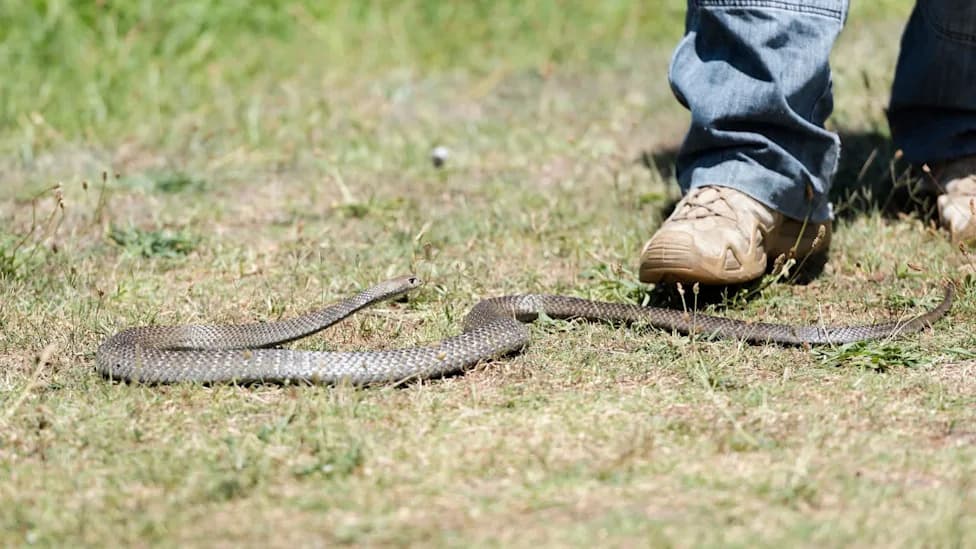
Photo Credit: iStock
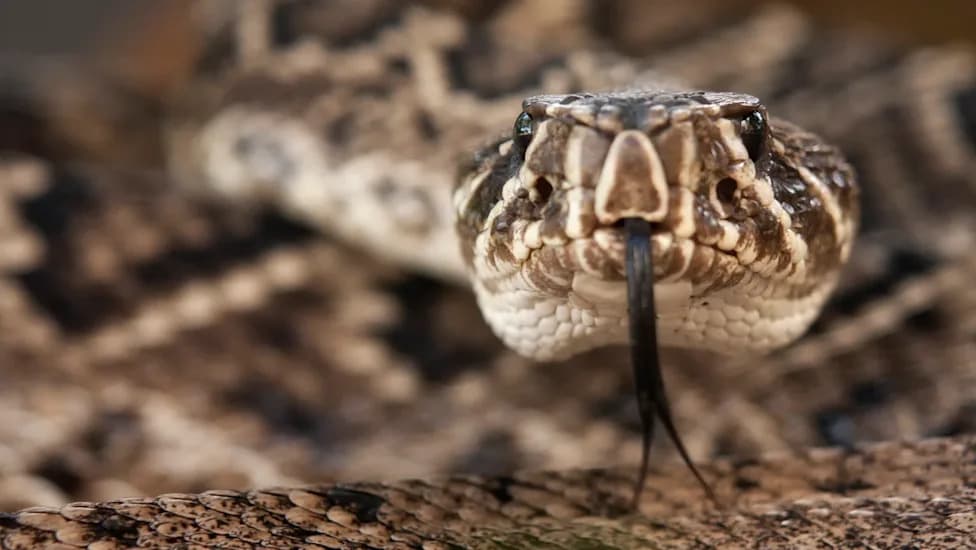
Haze from Canadian wildfires has further shortened an already narrow morning window for conservationists searching for pregnant Eastern massasauga rattlesnakes in Ohio, increasing the risk that gravid females will retreat underground or give birth before they can be located and relocated.
At Champaign County's Killdeer Plains Wildlife Area, Greg Lipps, a conservation biologist with the Columbus Zoo & Aquarium and coordinator of amphibian and reptile conservation for Ohio State University, and technicians Jennifer Myers and Marnie Behan scanned waist-high grass for basking massasaugas. According to WVXU, smoke dimmed sunlight and changed ground-warming patterns, reducing the period when snakes are most visible.
Once recorded in 28 Ohio counties, the massasauga now likely persists in as few as eight. The state listed the species as endangered in 1996, and it received federal threatened status in 2016. Although venomous, massasaugas generally avoid people and trails; the primary threats are habitat loss and conversion of prairies to agriculture and development.
Somebody pointed out to me that it's not your fault and you can't control the weather and so I should stop apologizing so I did,
— Greg Lipps, Columbus Zoo & Aquarium / Ohio State University
Why Habitat Matters
The massasauga's decline reflects a larger prairie collapse. Prairies support birds, insects, amphibians and other reptiles; when that habitat disappears, food webs and ecological connections fray. Recovery therefore requires more than moving snakes: pregnant females need adequate sunlight, cover, prey and secure overwintering sites for long-term success.
Researchers observed those linkages in the field. After lifting a metal cover used to attract snakes, Lipps found a pregnant DeKay's snake — its newborns, due a couple of weeks before massasauga young, are an important prey item and a hopeful sign that the ecosystem can support massasauga offspring.
Translocation and Monitoring at Cedar Bog
To boost survival prospects, the team plans to move gravid massasaugas from Killdeer Plains to Cedar Bog State Nature Preserve, where active habitat improvements are underway. At Cedar Bog, relocated adults give birth in outdoor enclosures fitted with artificial burrows, native vegetation and trail cameras. Researchers weigh, measure and microchip neonates, then allow them to disperse after a few days so survival can be monitored without invasive handling.
Relocated adults produced 58 infant snakes in 2024 from six females and 23 infants in 2025 from three gravid females — early signs of reproductive success after translocation and habitat work. Some of those offspring have been documented surviving through multiple winters, showing growth and normal behavior.
Lipps emphasized that the program combines many established techniques in a coordinated way: putting together knowledge of snake biology, translocation methods and habitat restoration to improve long-term recovery odds.
Broader Context
This effort is part of larger wildlife recovery efforts across the U.S., from freshwater species returning to Dunkard Creek to released snake hatchlings and reintroductions of rare reptiles and restored willows in Yellowstone after wolf restoration. Those projects demonstrate that habitat restoration combined with targeted interventions can help endangered species rebound.
Help us improve.