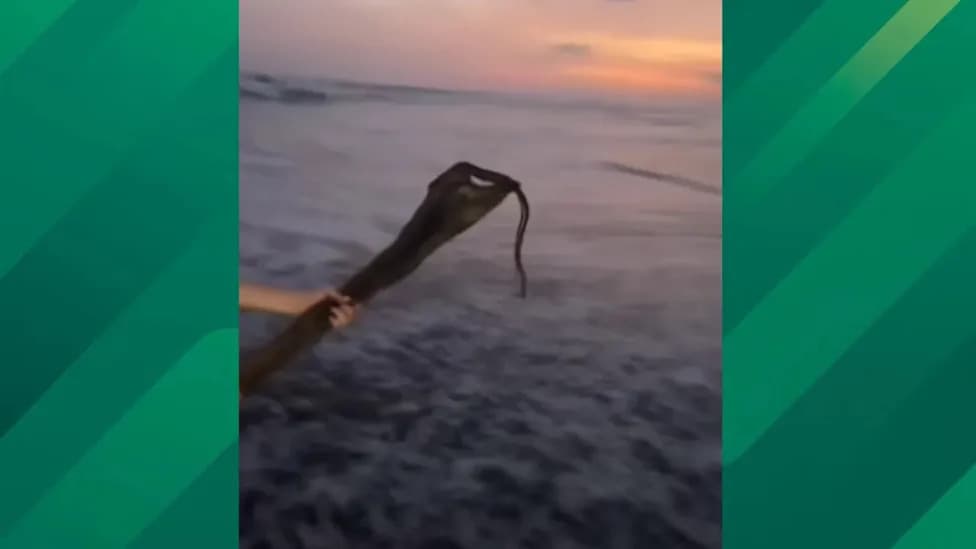
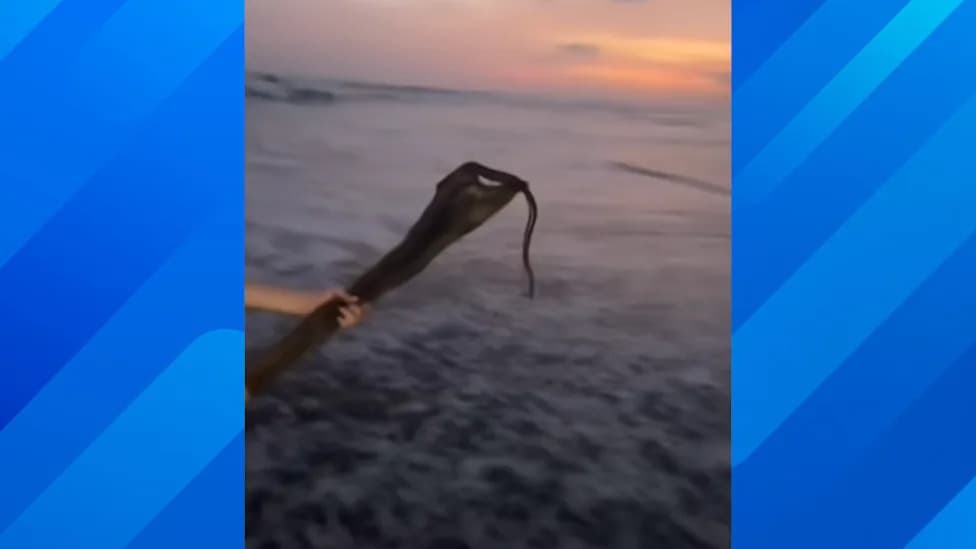
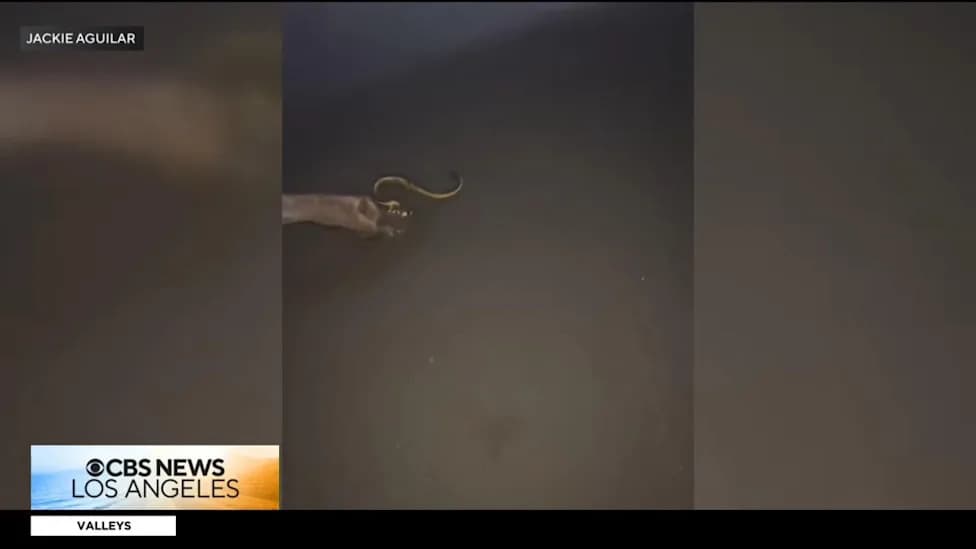
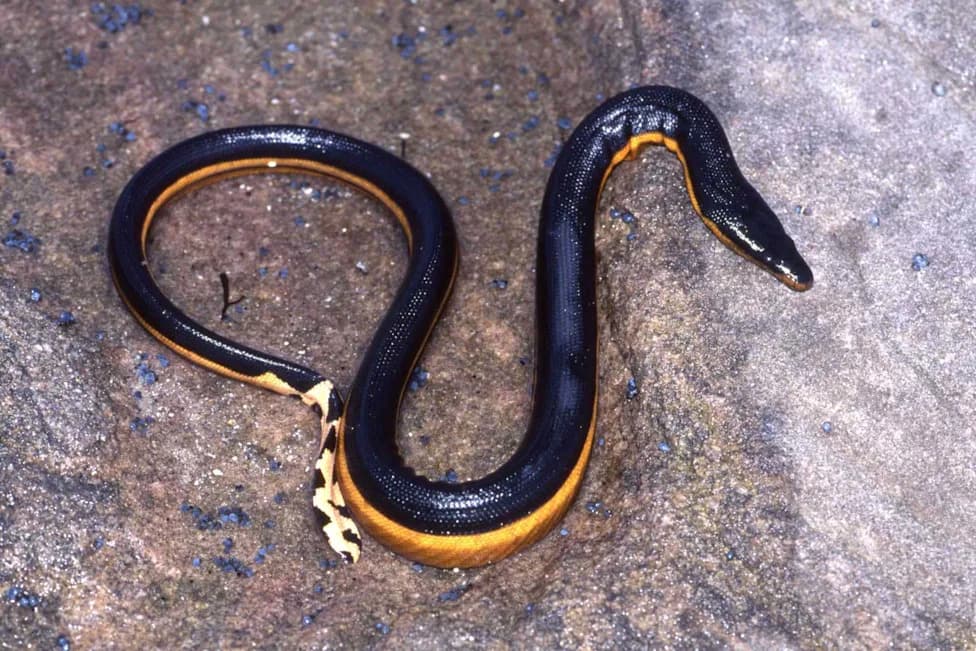
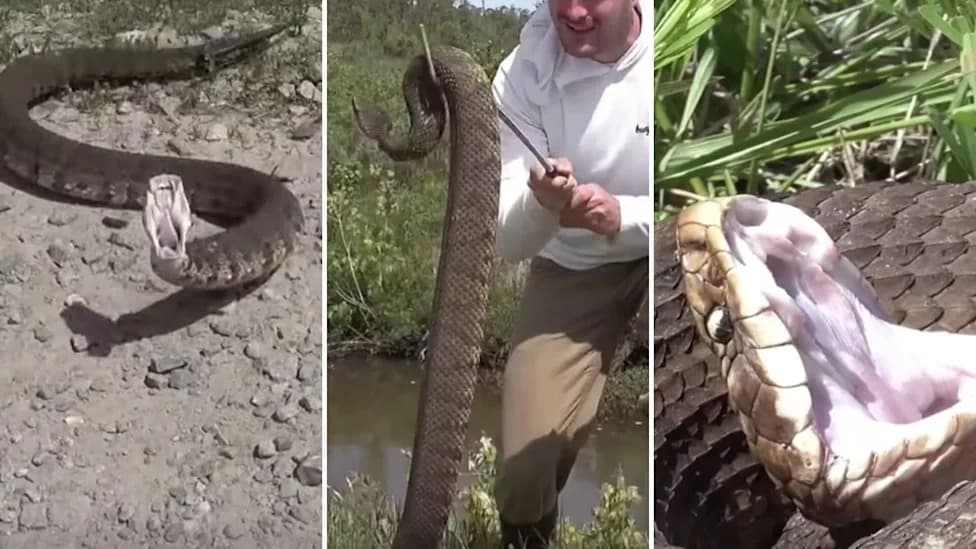
The video shows an eastern diamondback rattlesnake swimming across a backyard pool in Palmetto Dunes on Hilton Head Island before climbing onto the patio and moving into nearby woods. State wildlife officials confirmed the species and noted eastern diamondbacks can grow up to 8 feet and carry hemotoxic venom that can be deadly. Sightings often rise in August–September during breeding season, and habitat loss plus snake fungal disease have contributed to long-term range declines.
Gigantic Eastern Diamondback Swims Across Hilton Head Backyard Pool, Then Slithers to Woods
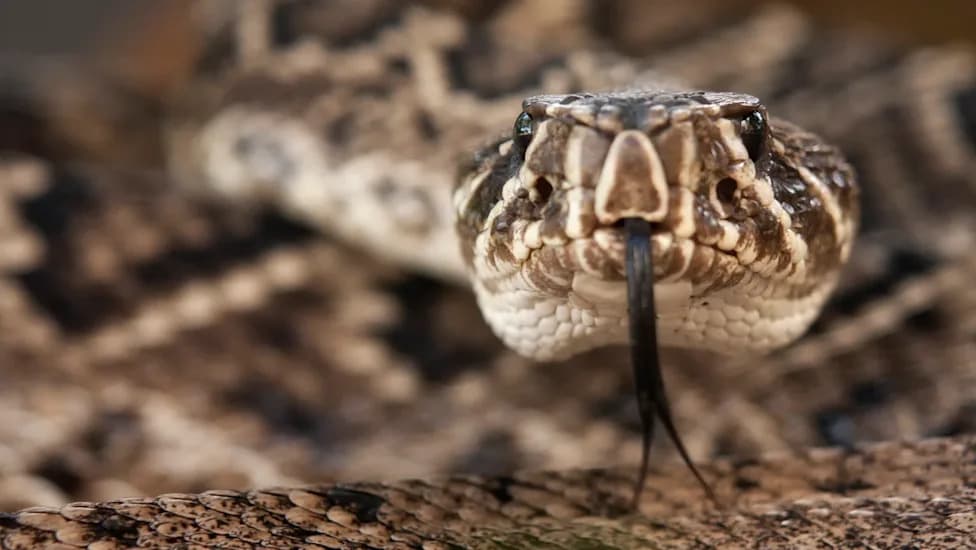
Photo Credit: iStock
A residential pool in Palmetto Dunes on Hilton Head Island became an unexpected wildlife corridor when a large eastern diamondback rattlesnake swam from one end to the other, lifted its head above the water and then slithered across the patio toward nearby woods.
Footage and Identification
The video, shared by Ellen McIlvaine and filmed by her mother, Jill McIlvaine, shows the snake moving calmly through the pool before exiting and heading into vegetation. Jay Cantrell, assistant chief of wildlife for the South Carolina Department of Natural Resources (SCDNR), reviewed the clip and said the animal was "absolutely" an eastern diamondback rattlesnake and appeared to be "a very healthy one."
About the Species
According to the Smithsonian's National Zoo and Conservation Biology Institute, eastern diamondbacks typically measure 3 to 6 feet long, though some individuals can reach up to 8 feet. SCDNR describes the species as the world's largest rattlesnake and one of the most venomous snakes in North America. Distinctive markings include dark, diamond-shaped dorsal blotches edged by yellowish scales.
Venom and Risks
Experts note eastern diamondback venom is primarily hemotoxic: it can destroy red blood cells, damage tissue and, in severe cases, be fatal to humans without prompt medical treatment. Cantrell and other officials emphasize that bites are serious and anyone bitten should seek emergency care immediately.
Why Sightings Increase In Late Summer
"They are more visible this time of year (August and September) as it is breeding season, and they are on the move," Cantrell said.
State herpetologist Andrew Grosse told The Island Packet that eastern diamondbacks remain relatively common in South Carolina's Lowcountry, where they inhabit coastal lowlands from southeast North Carolina down to the Florida Keys.
Conservation Concerns
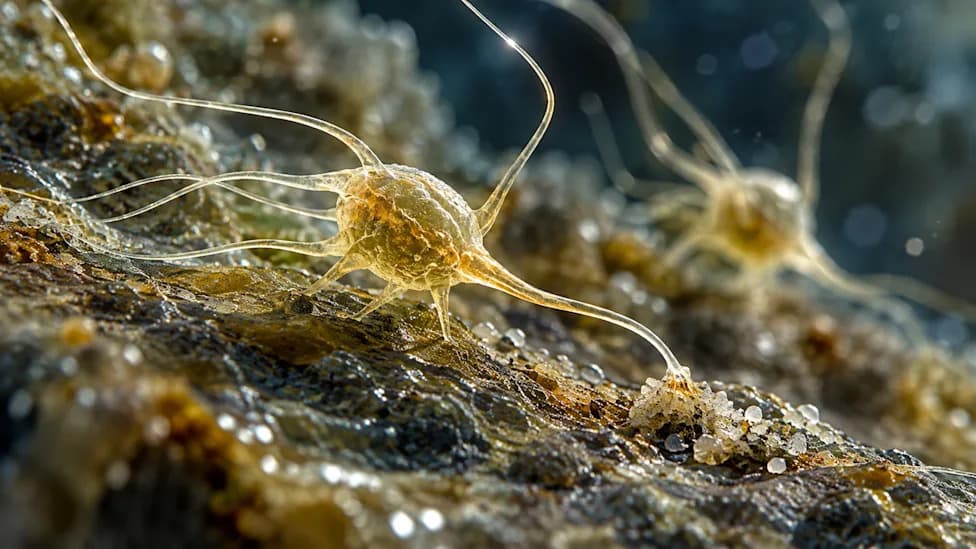
Grosse noted that eastern diamondbacks have lost much of their historical range. Contributing factors include development that fragments and removes longleaf pine ecosystems the snakes rely on, and an emerging threat from snake fungal disease, which can be severe and lethal for rattlesnakes.
Similar Encounters and Safety Tips
Unusual snake encounters near homes have been reported elsewhere, from snakes found inside houses to aggressive displays during breeding seasons. Experts offer these precautions for homeowners in coastal and rural areas:
- Keep yards tidy and remove brush piles or dense ground cover where snakes can hide.
- Monitor pools and water features—snakes sometimes use them to travel or cool off.
- Do not attempt to handle or capture venomous snakes; contact local wildlife authorities or professionals.
- If bitten, seek emergency medical attention immediately and try to stay as calm and still as possible to slow venom spread.
The incident underscores how close residential developments can be to natural habitat and serves as a reminder to remain aware and take sensible precautions when living near wildlife corridors.
Help us improve.