Overview: President Trump’s recent policy choices — including tariffs, immigration enforcement, cuts to ACA subsidies, energy decisions and an escalating confrontation with Iran — have combined with global shocks to push consumer prices higher. A New York Times/Siena poll finds his approval on handling the cost of living is deeply negative, and research links several specific policies to measurable price increases. With household pain points rising, inflation could become a key factor that costs Republicans in the midterms.
Inflation Helped Trump Win — Now His Policies Could Cost Republicans in the Midterms
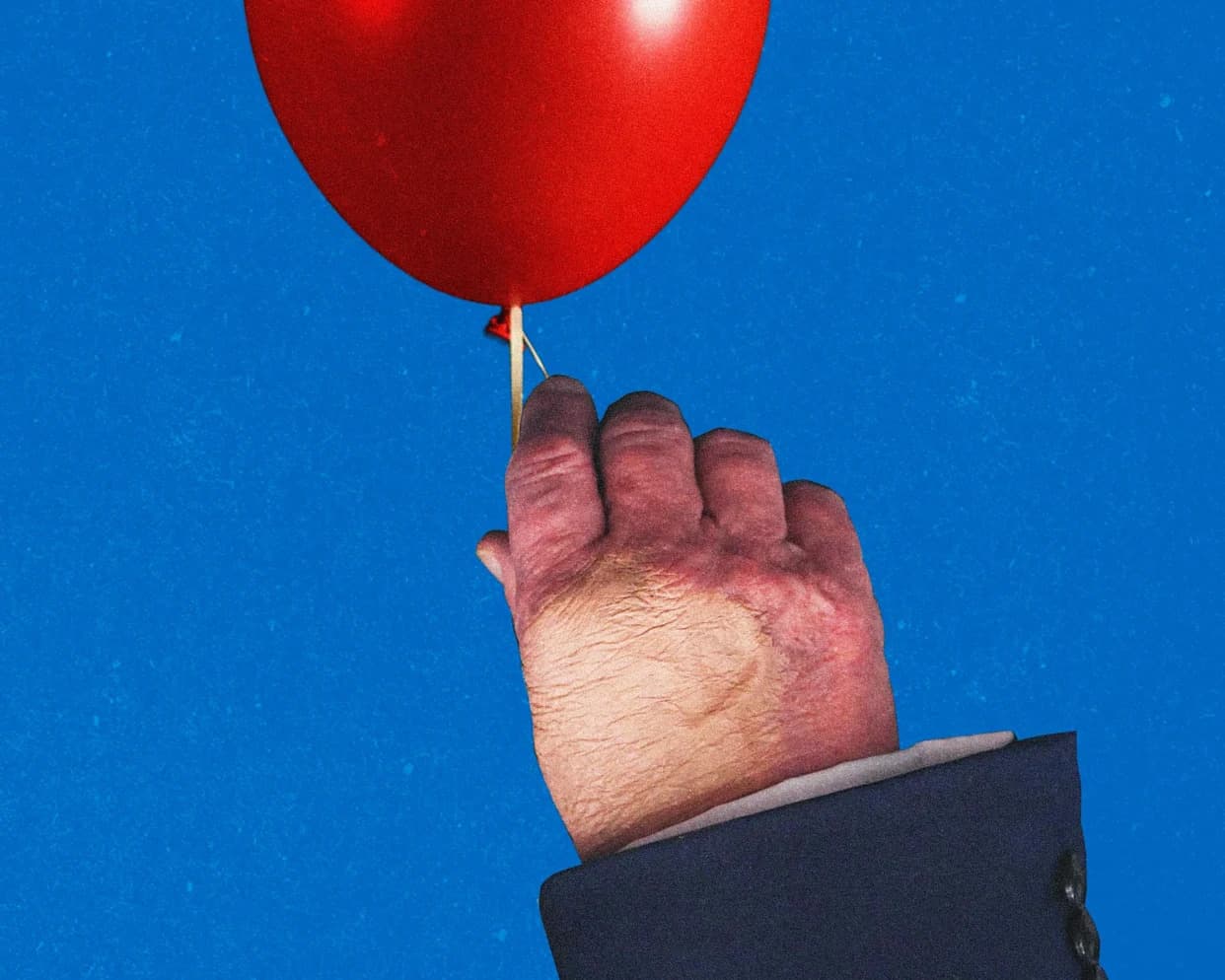
What’s truly astonishing is how Trump seems willing to build a track record of inflationary policymaking.Composite: The Guardian/Getty Images(Composite: The Guardian/Getty Images)
Donald Trump’s political instinct has produced victories, but several recent policy choices risk turning inflation into a major liability for him and his party in the midterms. From trade tariffs to health-care subsidy rollbacks, energy decisions and an escalating confrontation with Iran, a string of policies and global shocks has pushed prices higher and left voters unhappy about the cost of living.
Why Inflation Matters Politically
A New York Times/Siena poll from May shows President Trump’s approval on handling the cost of living is underwater by around 42 percentage points — worse than his ratings on the broader economy and the war in Iran. Voters judge inflation by everyday prices (groceries, gas, utilities) more than by technical indices, and those personal pain points often translate into political punishment for incumbents.
Policy Moves That Have Pushed Prices Up
Tariffs: The administration’s round of "reciprocal" tariffs, introduced in April last year and modified after legal challenges, has raised the cost of durable goods. Research from the Yale Budget Lab estimated those levies boosted durable-goods prices by as much as 3.8% over the 13 months to January 2026.
Immigration and Labor: Large-scale deportation campaigns have not yet produced broad job losses in immigrant-heavy sectors, but continued reductions in the labor supply in industries like food processing, construction, childcare and health services are likely to push wages higher — a raise that can feed into consumer prices.
Health-Care Subsidy Rollbacks: The administration ended enhanced Affordable Care Act subsidies last year. The Kaiser Family Foundation reports average premiums have risen about 58% and average deductibles about 37% (to roughly $3,706), with KFF estimating up to 6 million Americans could drop coverage this year — a direct hit to household budgets.
Energy Policy and AI Demand: A deregulatory stance on energy and rapid expansion of energy-intensive data centers tied to artificial intelligence have contributed to rising electricity demand and prices. Combined with canceled wind projects and other policy moves, household energy costs were about 6.4% higher in April year‑over‑year.
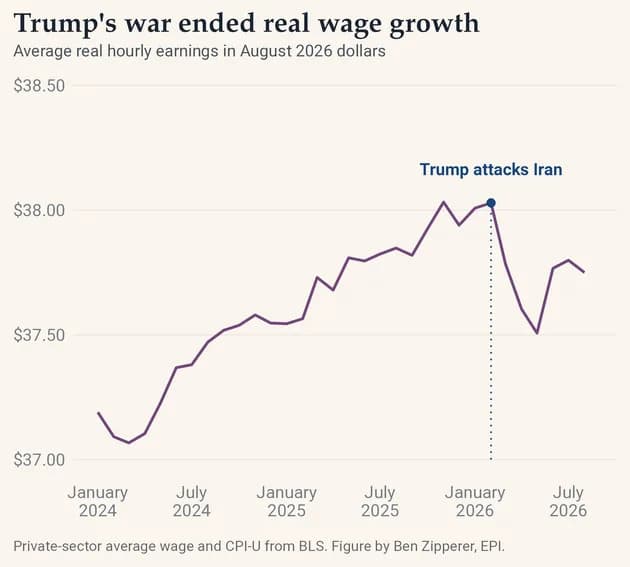
Geopolitical Shock — Iran: The recent military escalation with Iran and Tehran’s disruption of shipping through the Strait of Hormuz sharply reduced global oil and gas supplies. National average gasoline prices are near $4.50 a gallon — roughly $1.30 more than a year ago — and consumer prices rose 3.8% in the year to April. Economists at the Dallas Fed estimate that higher oil prices from the conflict could add between 0.2 and 1.8 percentage points to annual inflation by year-end, depending on how long disruptions persist.
Voter Perceptions and Political Risk
People typically respond to visible price increases rather than policy nuance. Even when wages rise alongside prices, voters often view pay gains as deserved but see inflation as an unfair penalty. Historical and polling evidence suggests that higher inflation can punish incumbents: studies have shown that prompting voters to think about inflation lowers support for the sitting administration, and counties with higher inflation saw stronger gains for Mr. Trump in 2024 relative to 2020.
Since George H.W. Bush’s defeat in 1992, there has been only one presidential election in a year with inflation as high as today’s — and that contest ended with the incumbent losing.
Where This Leaves the Midterms
Many of the factors pushing inflation higher are directly or indirectly tied to current policy choices. At the same time, President Trump has publicly pressured the Federal Reserve for rate cuts — a move that, if enacted prematurely, could rekindle broader inflationary pressures. The combination of visible price pain, policy-driven cost increases, and geopolitical risk raises the prospect that inflation could become a decisive issue at the midterm ballot box.
Bottom line: Policies that raise costs for households — even if intended to achieve other goals — make inflation a political vulnerability. How voters feel in their wallets this fall may determine whether Republicans hold momentum or face a backlash at the polls.
Help us improve.