The Rogun Dam is a $5bn hydropower project on the Vakhsh River that Tajikistan views as essential to ending chronic winter power shortages and achieving greater energy independence. When complete, the 335-metre dam will feed hydraulic tunnels of 1,100–1,500 metres into an underground powerhouse with six turbines designed to produce about 3,600 MW. Advocates call it the “Project of the Century,” while engineers warn that financing, construction complexity and downstream water diplomacy pose major challenges.
Rogun Dam: Tajikistan’s 'Project of the Century' — A 335m Gamble to End Winter Blackouts
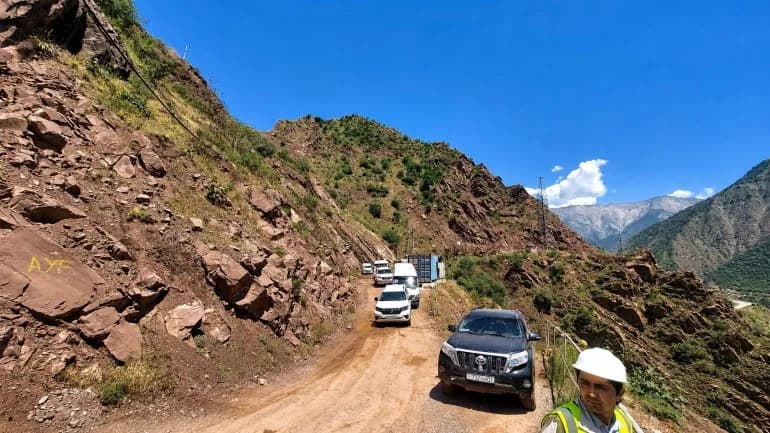
Rogun dam is not built on easy terrain. Everything seems difficult: access, excavation, transport and controlling the river [Al Jazeera]
From Dushanbe, the road to Rogun unfolds like a journey into Tajikistan’s geography and ambition: broad city avenues give way to a narrow mountain ribbon, rocky hills and scattered villages until the Vakhsh River appears below — an angry blue ribbon carving the valley.
There are no tourist comforts on the route: no luxury hotels or billboards, only heavy lorries, silent mountains and a steady flow of workers bound for a project almost every Tajik knows by name — the Rogun Dam.
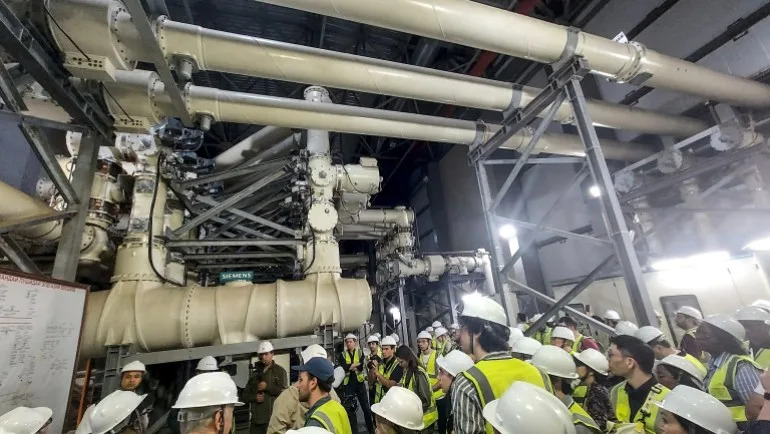
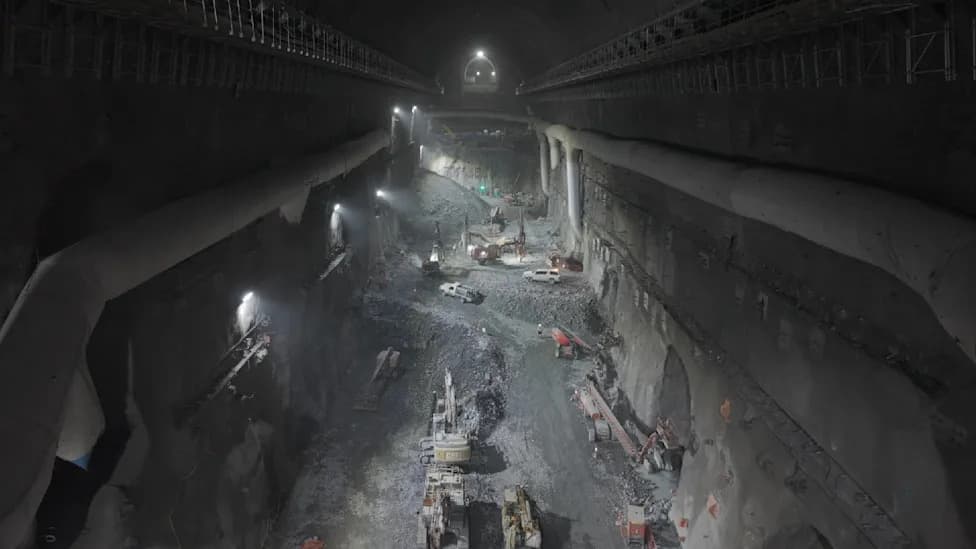
Rogun is not just a wall holding back water, but an entire network of tunnels, diversions, canals and facilities under and around the mountain [Al Jazeera]
The $5bn scheme, first conceived in the mid-1970s to tackle chronic energy shortages, has grown into a national symbol. Officials including President Emomali Rahmon have described it in existential terms — a project intended to reduce winter blackouts, stabilise domestic supply and ultimately produce exportable electricity.
Approaching the site, Rogun does not present as a single monument but as a dispersed industrial city: dirt roads, excavated mountainsides, tunnel mouths and immense machinery. The operation resembles a settlement suspended between the mountain and the river, where dust swirls and the metallic thrum of equipment echoes off rock faces.
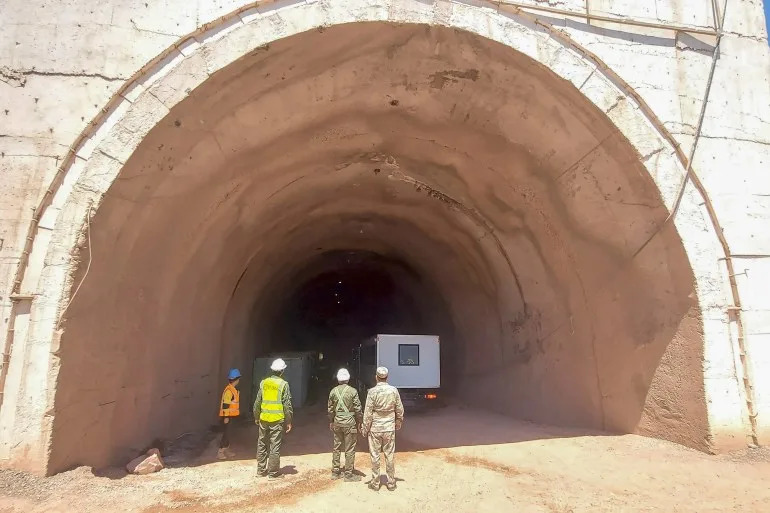
The Rogun Dam project includes hydraulic tunnels with a length ranging between 1,100 and 1,500 meters [Al Jazeera]
Engineering at Depth
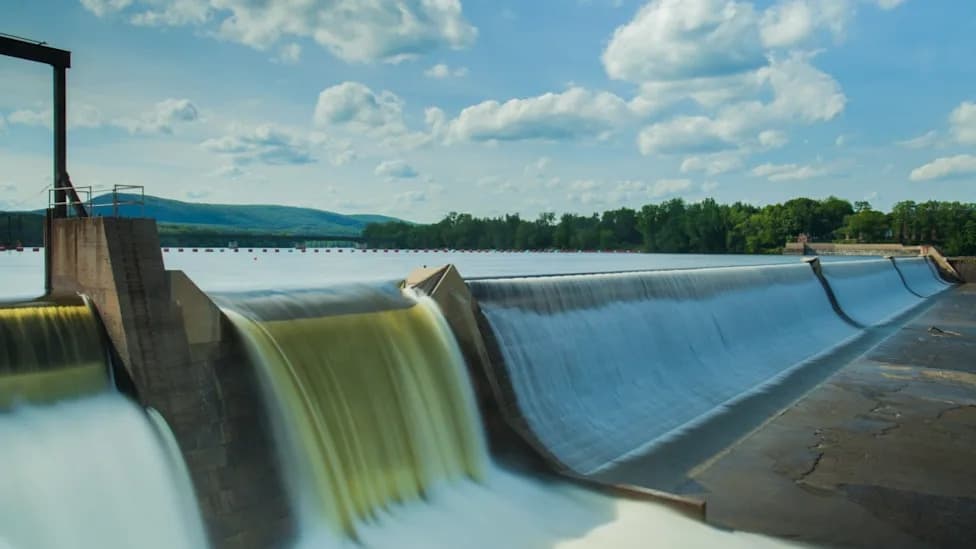
Rogun is more than a concrete wall. Beneath and around the mountain lies a network of diversion channels, hydraulic tunnels and support facilities. Hydraulic tunnels of about 1,100–1,500 metres channel water under pressure into an underground powerhouse designed to host six generating units.
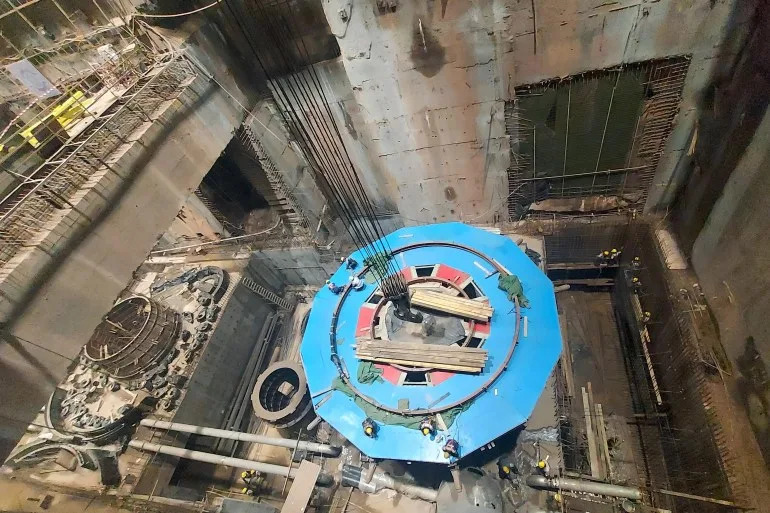
The Rogun dam project features massive turbines that spin under immense pressure, then convert the movement of water into electricity [Al Jazeera]
An Italian engineer working with Webuild, the contractor overseeing major works, says the completed dam will rise to roughly 335 metres, making it one of the tallest in the world. The plant’s six turbines are designed to produce around 3,600 megawatts when all units are operational.
“We are not building over nature; rather, we are trying to understand it and harness its energy safely,” the engineer explains, emphasising the integrated approach: a dam with a clay core, long hydraulic tunnels and an underground power house brought online in phases.
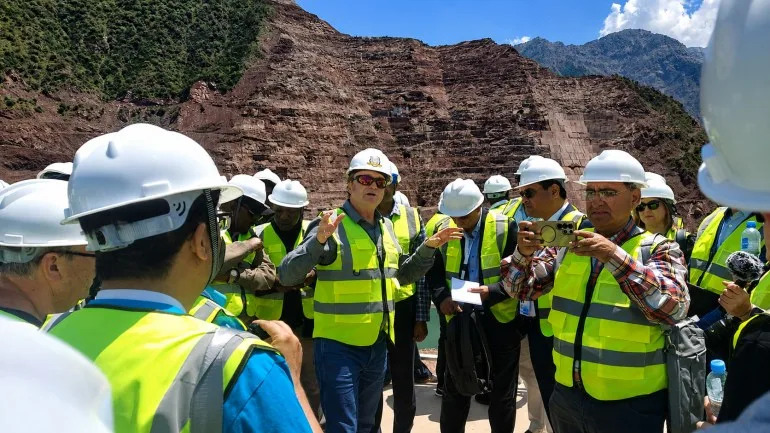
Engineer Andreas from the company overseeing the project says that once the project is completed, the dam will be 335 meters (1,100 feet) high, making it one of the tallest in the world [Al Jazeera]
Promise and Risk
For Tajikistan — a mountainous nation with limited fossil fuels but abundant rivers — Rogun represents a strategic gamble: convert geography into reliable power, reduce dependence on imports and create export revenue. Supporters call it the “Project of the Century.”
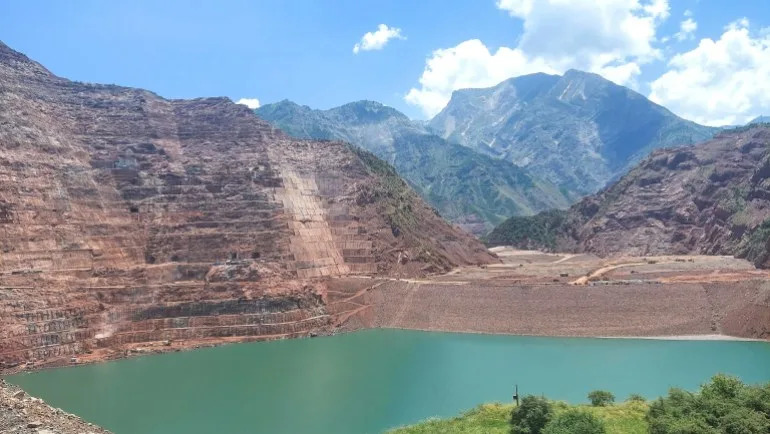
For Tajikistan, Rogun is the ‘project of the century’ [Al Jazeera]
But the project carries significant risks. It requires sustained funding, complex engineering in inhospitable terrain, rigorous safety measures, and careful diplomacy with downstream neighbours who depend on regional water flows. Construction on steep slopes and deep tunnels adds technical challenges, while hydrology and transboundary water management add a political dimension.
What It Means at Home
On the drive back to Dushanbe the lights along Rudaki Avenue take on a different meaning: electricity is no longer an abstract utility but a visible link to a distant river, a carved mountain and an underground network where many work unseen. Whether Rogun will fulfil its promise depends on finance, engineering, safety and regional cooperation — but for now it remains a defining national ambition.
Help us improve.