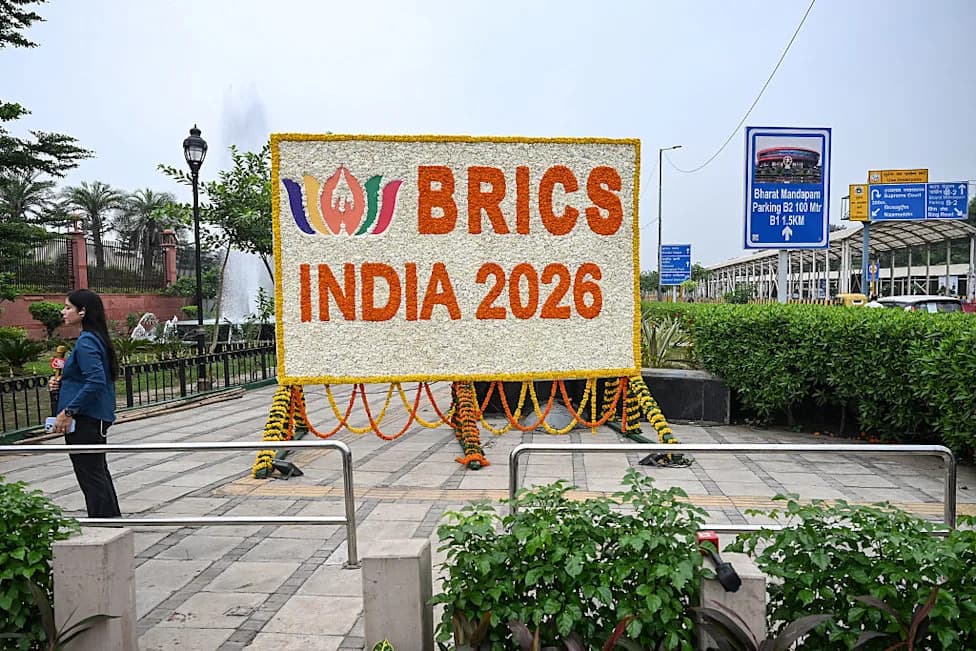
Marco Rubio’s May 23–26 visit to India, framed by a Quad foreign ministers’ meeting, largely functioned as damage control to repair strains over tariffs, renewed U.S. ties with Pakistan and doubts about Quad momentum. The Quad announced practical initiatives on maritime security, energy, critical minerals and infrastructure — including a joint port project with Fiji and potential mobilization of up to $20 billion for supply-chain work. Indian leaders stressed the grouping’s value lies in tangible outcomes rather than an overtly anti-China posture, while Beijing warned against exclusive blocs.
Rubio’s India Visit: Damage Control and Deliverables Under the Quad
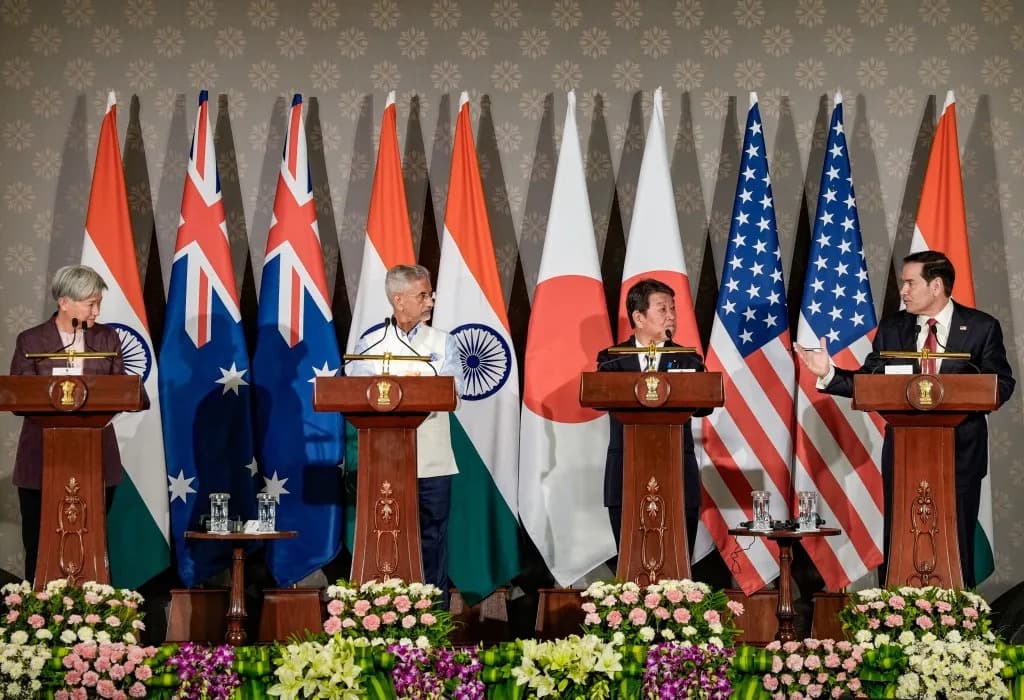
New Delhi: From left, Australian Foreign Minister Penny Wong, External Affairs Minister S Jaishankar, Japanese Foreign Minister Toshimitsu Motegi and US Secretary of State Marco Rubio during a joint press conference after attending the Quad Foreign Ministers’ Meeting, in New Delhi, Tuesday, May 26, 2026. (/PTI via AP)
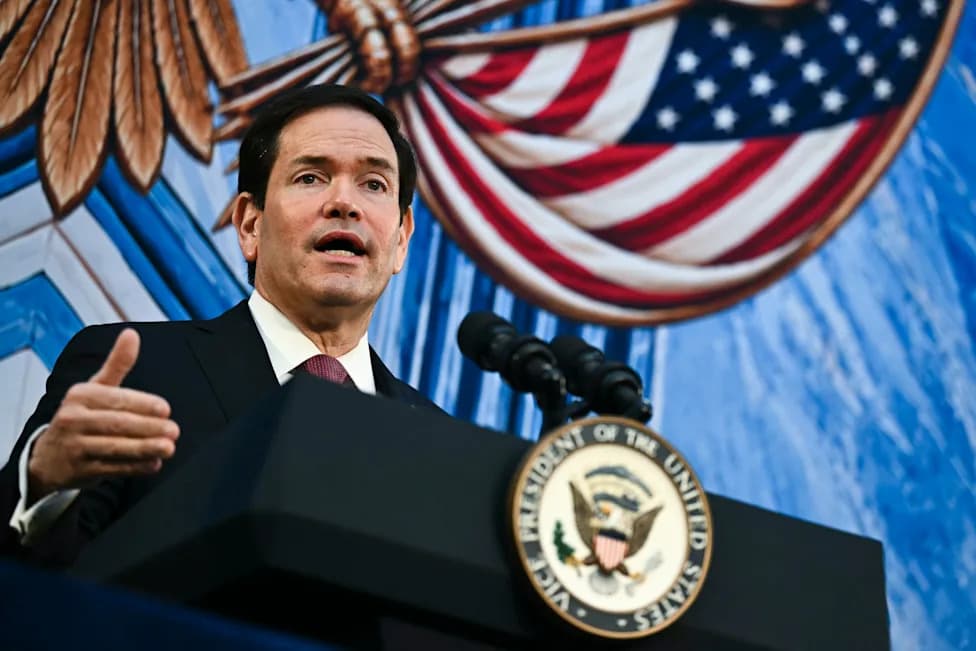
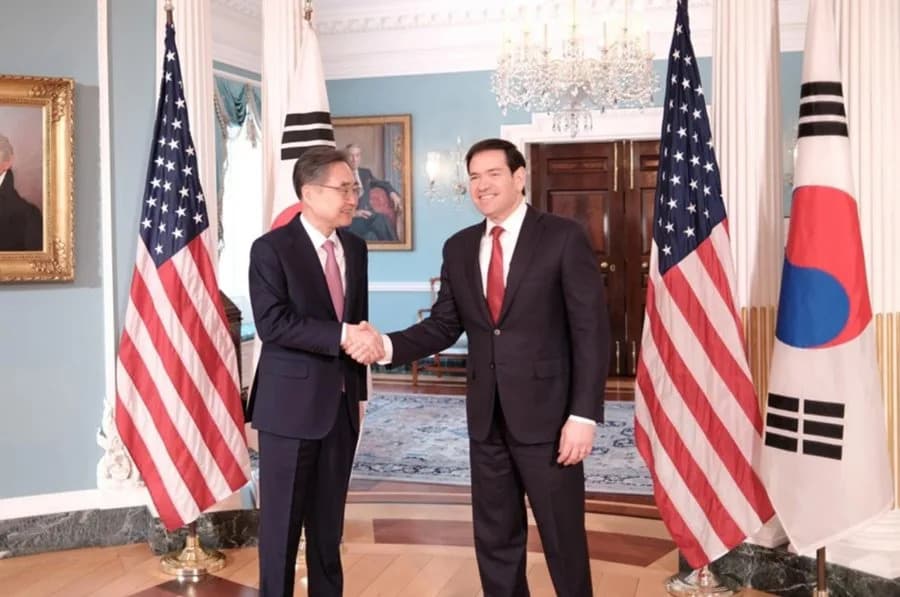
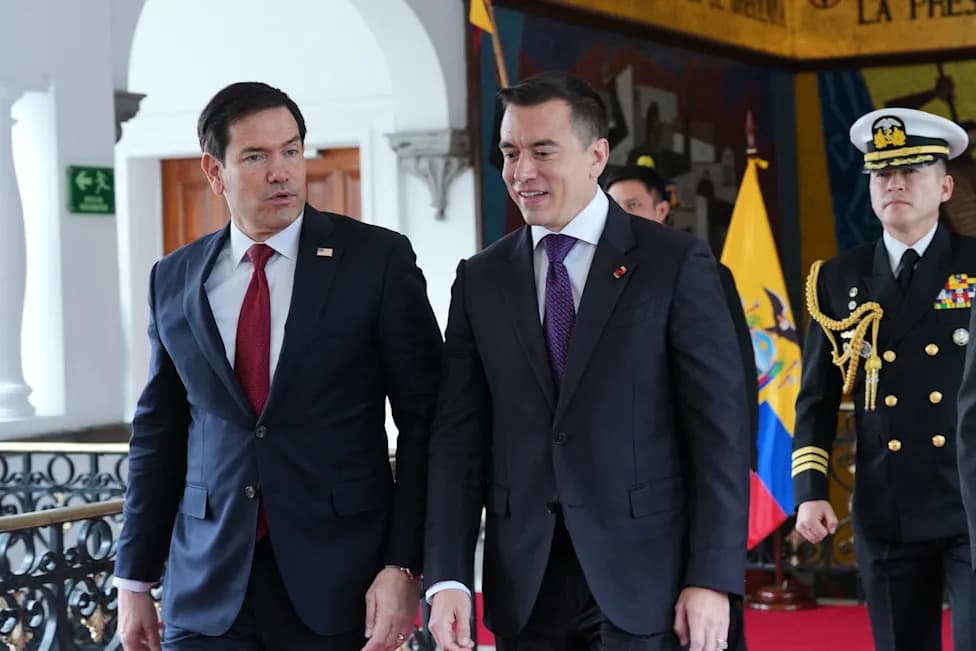
U.S. Secretary of State Marco Rubio visited India from May 23–26, attending a Quadrilateral Security Dialogue (Quad) foreign ministers’ meeting in New Delhi. Public statements emphasized forward momentum, but much of the trip served to repair strains in India–U.S. ties and to turn diplomatic reassurance into concrete initiatives.
Context: Frayed Ties and the Need for Reassurance
Rubio’s visit came after a period of friction between Washington and New Delhi: tariff disputes stemming from the previous U.S. administration, renewed American engagement with Pakistan, concerns about U.S. policy toward China, and questions about whether the Quad had lost urgency. Former Indian High Commissioner Ajay Bisaria described the stop as “partially also a damage control visit,” saying New Delhi needed political reassurance.
What Happened In New Delhi
At the invitation of External Affairs Minister S. Jaishankar, the Quad foreign ministers (India, the United States, Japan and Australia) met to “build on discussions held in Washington, D.C. on 1 July 2025,” review ongoing initiatives, and exchange views on Indo-Pacific security and supply-chain resilience. Rubio also met Prime Minister Narendra Modi before the Quad session to brief him on bilateral cooperation across defence, technology, trade, energy and people-to-people ties.
Concrete Deliverables
The ministers announced a set of practical initiatives aimed at making the Quad more operational:
- Joint port-infrastructure cooperation with Fiji — the Quad’s first jointly identified regional infrastructure project — intended to address limited port capacity in the Pacific Islands.
- Maritime-security measures to integrate surveillance capabilities and strengthen real-time information sharing across the Indo-Pacific.
- An Indo-Pacific Energy Security initiative, with the U.S. Department of Energy hosting a fuel-security forum later in the year.
- A pledge to mobilize public and private support for critical-minerals supply chains (mining, processing and recycling), with media reporting potential support up to $20 billion.
“We are deeply committed to this partnership. It is a linchpin and a cornerstone of our global strategy as a nation,” Rubio said after the meeting, stressing Washington’s view of India’s centrality.
India’s Calculus
New Delhi values the Quad when it produces tangible outcomes—maritime awareness, supply-chain resilience, energy security, critical minerals and infrastructure—rather than when it appears primarily as an anti-China military bloc. External Affairs Minister S. Jaishankar described the talks as “an exercise of considerable value,” and warned that the Quad’s responsibilities will grow as regional economic and maritime activity expands.
Responses And Strategic Implications
Australia’s Foreign Minister Penny Wong emphasized regional economic stress and the importance of freedom of navigation, warning that disruptions such as a closure of the Strait of Hormuz would have serious consequences. The official Quad statement reaffirmed support for international law, peaceful dispute resolution and opposition to destabilizing unilateral actions in the East and South China Seas. Beijing criticized the meeting, warning against “exclusive groupings” and bloc confrontation.
Analysts say the visit was not a sweeping reset but a pragmatic effort: reassurance backed by deliverables. As R. Kumar, a former Indian civil servant, put it, India wants trade, energy, technology and defence cooperation—plus respect for strategic autonomy—rather than being reduced to a single-purpose China-balancing partner.
Conclusion
Rubio’s trip reaffirmed Washington’s view of India as central to its strategy while allowing New Delhi to signal it will deepen cooperation on its own terms. For the Quad, the meeting underscored an ongoing evolution toward practical, project-based cooperation rather than purely rhetorical unity.
Help us improve.