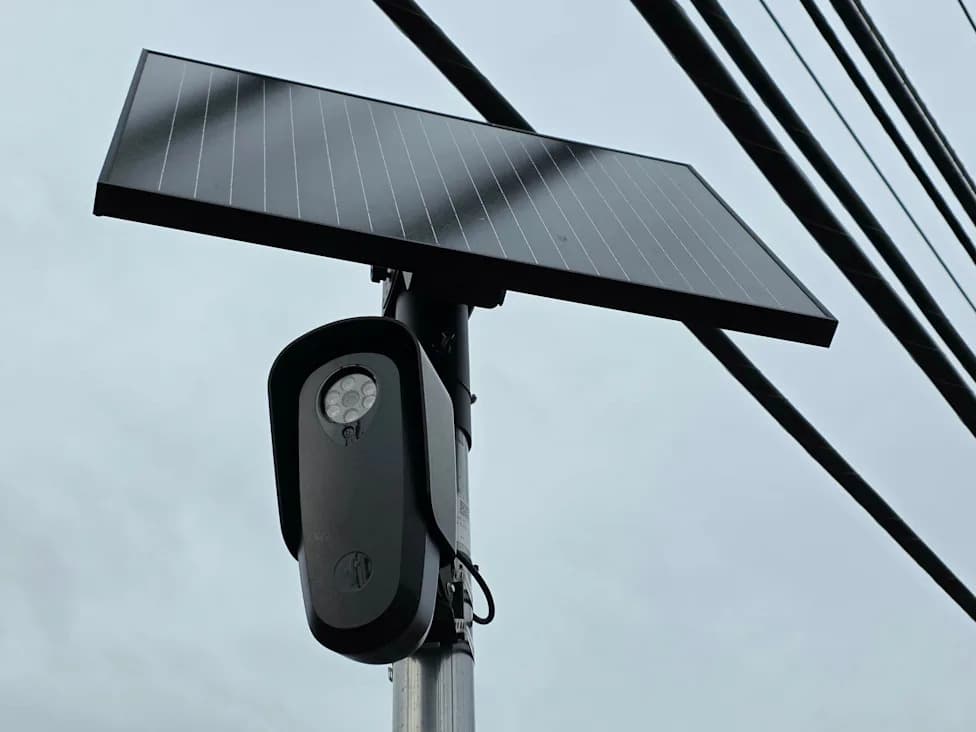
Angela Lipps, a 50-year-old grandmother from Tennessee, was arrested in July 2025 after a facial-recognition match linked her to a Fargo bank-fraud probe. Poor-quality surveillance stills triggered a lead that prosecutors pursued despite routine records showing Lipps was in Tennessee. Charges were dismissed without prejudice on December 23, 2025, and she was released on December 24. The case prompted Fargo Police to adopt a formal facial recognition policy and raised urgent questions about verification and safeguards.
Facial Recognition Mistake Sends Tennessee Grandmother to Jail for Five Months — Charges Dropped

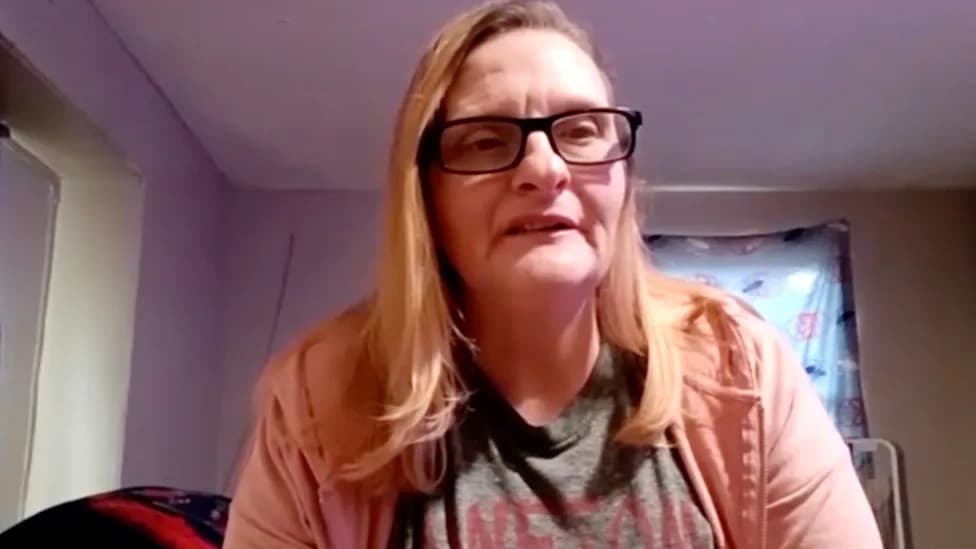
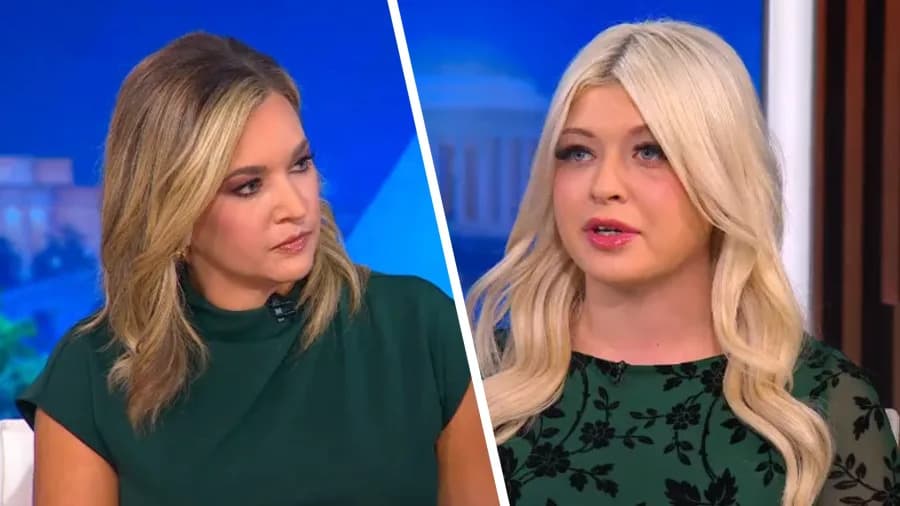
A Tennessee grandmother says a facial recognition match helped lead to her arrest in a North Dakota bank fraud case.(Fox News)
Angela Lipps, a 50-year-old grandmother from Elizabethton, Tennessee, says she had never been to North Dakota or taken an airplane — facts that did not stop U.S. marshals from arresting her in July 2025 after a facial recognition lead tied her to an alleged Fargo bank-fraud scheme. Lipps spent more than five months in custody before prosecutors dismissed the case around Christmas Eve.
How an Automated Match Set the Case in Motion
Fargo investigators reviewing surveillance footage from a string of home-equity loan fraud reports submitted still images to a facial recognition search at the North Dakota State Intelligence Center. Jay Greenwood, Lipps's defense attorney, says the surveillance images were poor quality and that the automated match was treated as a lead without adequate independent verification.
'They had security footage of some terribly placed security cameras from above,' Greenwood said, adding that investigators then reviewed Lipps's social media and moved forward toward an arrest without the usual corroborating checks.
Arrest, Extradition and Dismissal
According to Greenwood and public statements from Fargo Police, U.S. marshals arrested Lipps at her Tennessee home in mid-July 2025 while she was babysitting. She was initially held in Tennessee—apparently on a probation matter—and later waived extradition to North Dakota. Lipps was flown to Fargo in custody around Halloween and made her first North Dakota court appearance on October 31, 2025.
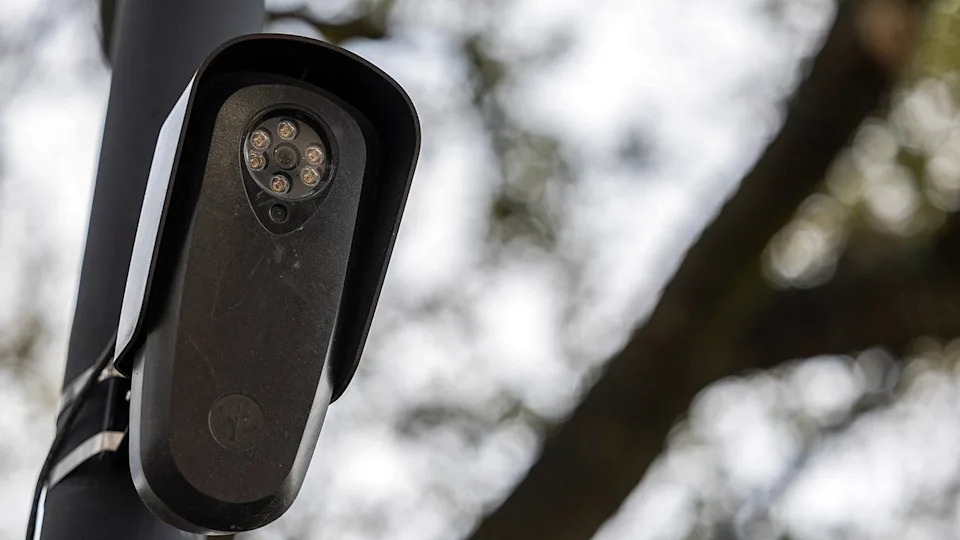
Lipps says she lost her home, car, reputation and dog after spending months behind bars in a case tied to facial recognition technology.
Fargo detectives did not learn she was in custody in North Dakota until early December. After Lipps's attorney provided records showing she was in Tennessee during the alleged offenses, and following an interview granted by her counsel on December 19, 2025, prosecutors and a judge agreed to dismiss the charges without prejudice on December 23, 2025. Lipps was released from custody on December 24, 2025.
Evidence of Innocence and Consequences
Greenwood says routine records from Lipps and her family—bank statements showing Social Security deposits and local purchases, receipts and location-based activity—established she was in Tennessee during the time investigators alleged the fraud occurred. Lipps says she lost her home, her car, her dog and suffered reputational damage while detained.
Department Response and Policy Changes
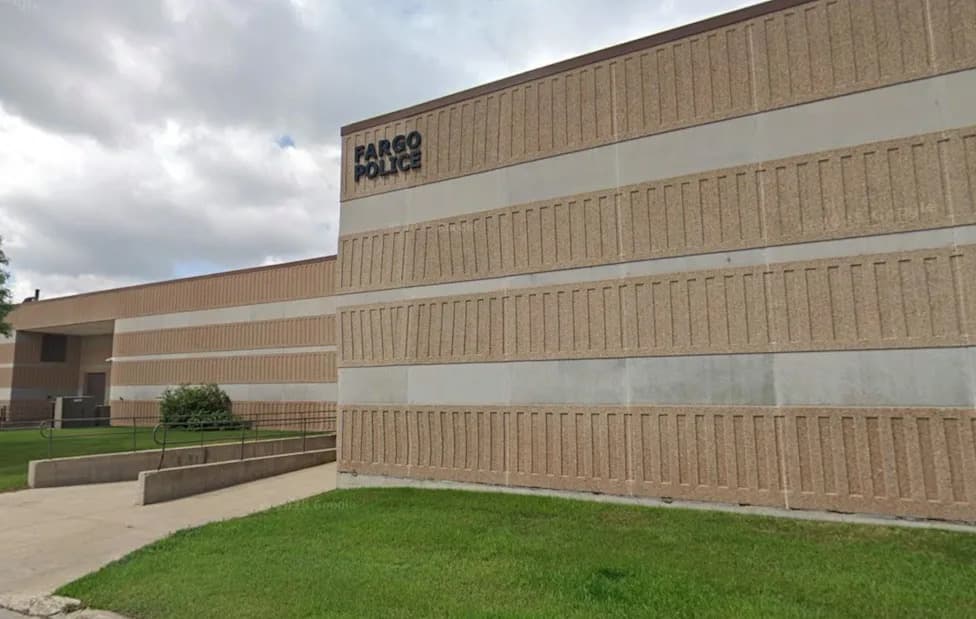
Fargo Police conducted an internal review and said the arrest warrant reflected a determination of probable cause by the Cass County State's Attorney and a judge. The department clarified it does not operate its own facial recognition system but sometimes submits queries to state and national intelligence centers that incorporate such technology.
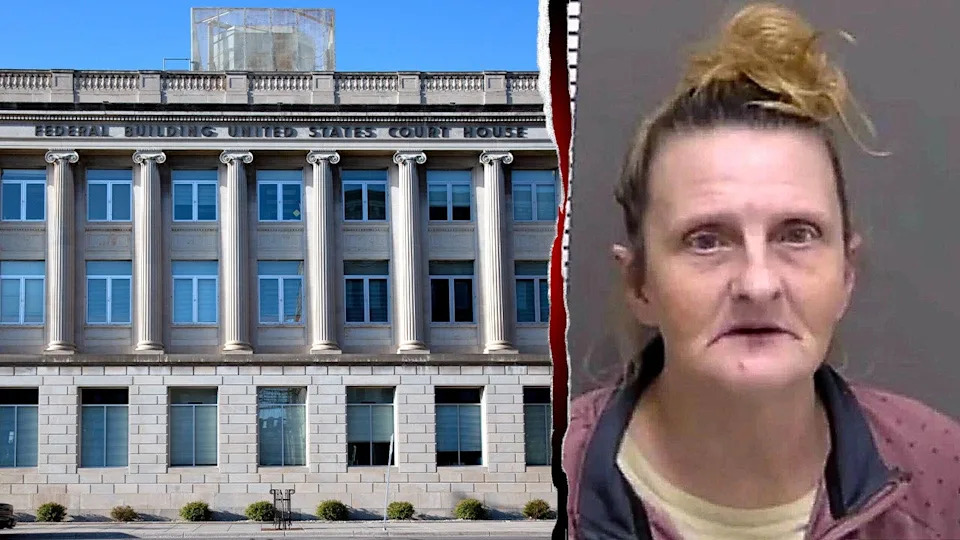
The Federal Building and U.S. Courthouse in Fargo, North Dakota, is pictured next to Angela Lipps' mugshot. Lipps, a Tennessee grandmother, says she spent more than five months in custody after facial recognition linked her to a North Dakota bank fraud case.
In response to the case, Fargo Police adopted a formal facial recognition policy (FPD Policy 610), published on March 25, to set parameters and expectations for how investigators use facial recognition leads. Officials emphasize that the investigation remains open and that charges were dismissed without prejudice, meaning they could be refiled if new evidence emerges.
Broader Issues and Safeguards
The Lipps case highlights persistent concerns about facial recognition: false matches are more likely when image quality is poor or databases are vast, and studies show uneven performance across demographic groups. Legal advocates argue that algorithmic matches should trigger traditional investigative steps—not replace them—and departments should require independent corroboration before seeking arrest warrants.
Takeaway: Facial recognition can help generate leads, but investigators must verify those leads with basic detective work and records before letting a computer match upend someone’s life.
Help us improve.