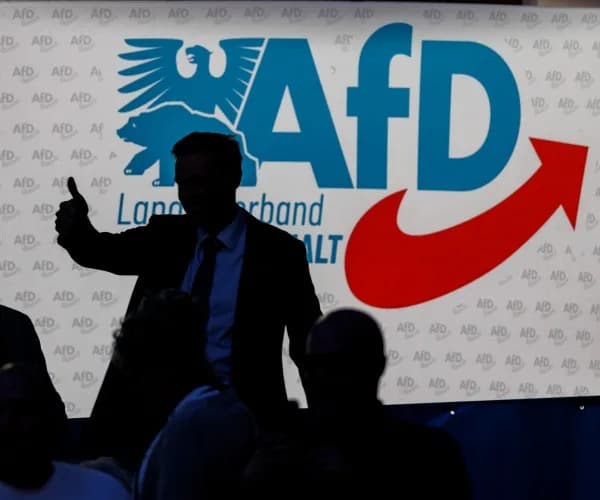
The U.K. local elections delivered a decisive surge for insurgent parties: Reform vaulted from 2 to 1,454 local seats while the Greens added 441 seats. Labour and the Conservatives suffered large losses, and regional parliaments in Wales and Scotland showed significant insurgent gains. Similar dynamics are visible across Europe—polling shows the Rassemblement National leading in France and the AfD at record levels in Germany—underscoring that anti‑establishment sentiment remains a powerful force.
U.K. Local Election Shock: Populist Parties Surge as Traditional Parties Suffer Major Losses

U.K. Elections Show Populist Uprising Is Far From Over
Last week's local elections in the United Kingdom delivered a dramatic rebuke to the political establishment: insurgent, anti‑establishment parties scored large gains while traditional parties—especially Labour and the Conservatives—saw heavy losses. The results underline a broader European trend in which voters continue to favor populist and anti‑status‑quo movements.
Election Results At A Glance
Reform Party: Jumped from 2 local seats to 1,454, gaining representation in regional parliaments for the first time.
Green Party: Added 441 seats to reach 587, marking a substantial advance for environmentalist and left‑leaning forces.
Labour and Conservatives: The two long‑standing major parties lost 1,498 and 563 seats respectively, prompting questions about voter confidence in the mainstream.
Regional Outcomes
In Wales, Plaid Cymru emerged as the largest party in the regional parliament for the first time, with the Reform Party ranking second. In Scotland, the Scottish National Party remains dominant but with reduced strength; Labour and Reform tied at 17 seats each for second place, with the Greens close behind on 15.
European Context
Political observers across Europe watched the U.K. results closely. Early polling in France for the 2027 presidential contest puts Jordan Bardella of the Rassemblement National around 35%, with former Prime Minister Édouard Philippe roughly 20.5%, suggesting a strong first‑round position for the RN if those numbers held. In Germany, reporting by the state broadcaster Deutsche Welle indicated a record surge for the Alternative for Germany (AfD), polling near 27% nationwide and building support beyond its traditional base in the former East Germany.
Across the continent, populist parties have already held power in various forms—Italy's Fratelli d'Italia under Giorgia Meloni, Poland's Law and Justice, and participation by populist parties in past Dutch coalitions. Hungary's Fidesz, led by Viktor Orbán, governed for many years before recently losing power—illustrating that long‑standing populist governments can eventually be voted out when voters become disillusioned.
What Populism Looks Like Today
Populism is not a single, uniform ideology. It often reflects local grievances and blends positions from left and right. As Walter Russell Mead noted in response to the British results, these movements tend to align more with anti‑establishment and identity‑based politics than with traditional left‑right categories.
"The new direction in politics seems less firmly aligned with either the left or the right than with antiestablishment and identity‑based politics." — Walter Russell Mead
Party platforms vary. Reform mixes free‑market rhetoric—cutting red tape, lowering business taxes and easing planning—with nationalist and anti‑immigration appeals and occasional talk of state intervention. France's Rassemblement National combines a tough stance on immigration and crime with interventionist economic measures such as restricting perceived unfair foreign competition, re‑nationalizing certain assets, subsidies for families and youth, and expanded public services. The AfD pairs nationalist and anti‑immigration messaging with calls for deregulation and tax cuts; some members have also embraced identitarian rhetoric and extremist symbolism.
Outlook
The U.K. results suggest the populist surge that has reshaped recent European politics remains potent. Many electorates are deeply dissatisfied with the status quo and are willing to reward outsiders or insurgent parties. However, the long‑term trajectory of these movements will depend on local political culture, policy choices once in office, and whether voters ultimately reward or reject those parties based on performance and conduct.
Note: All seat totals and poll figures cited are based on reporting from the referenced elections and media outlets.
Help us improve.