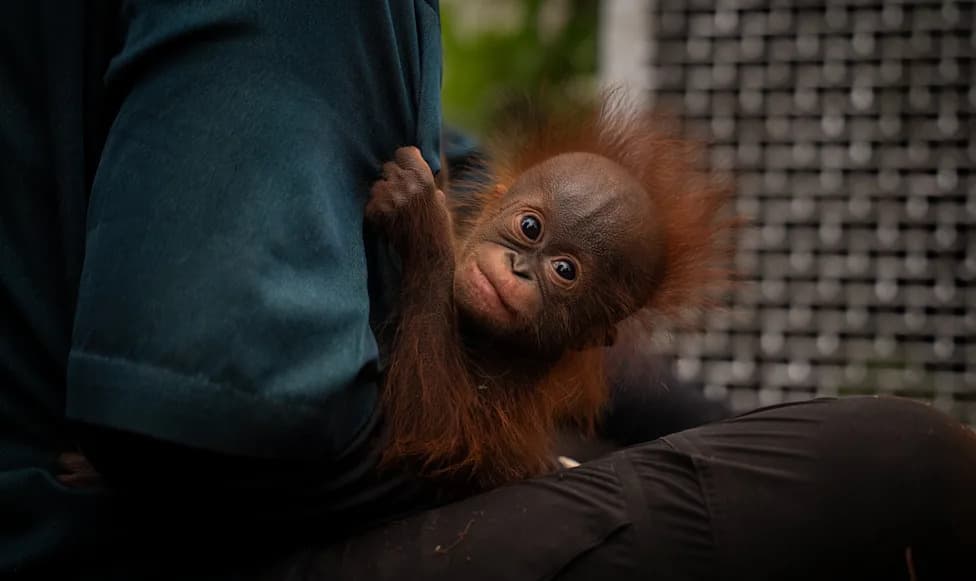
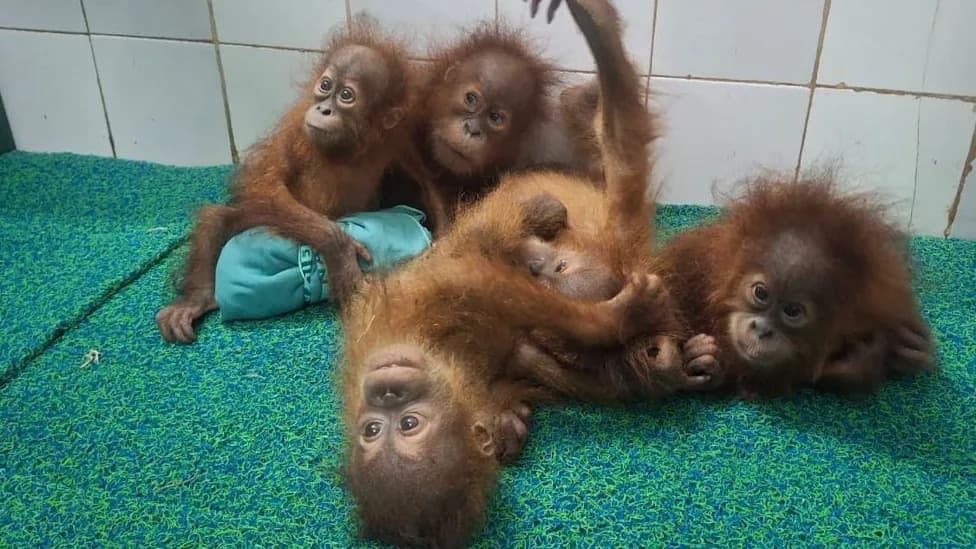
The Lola ya Bonobo sanctuary on Kinshasa’s outskirts is the world’s only refuge devoted to orphaned bonobos, offering long-term care from human foster mothers and social rehabilitation. Bonobo numbers have plunged from about 100,000 in the 1980s to roughly 20,000 today, primarily due to the commercial bushmeat trade, poaching and the pet trade. Conservation measures include community education and a proposed "bonobo credits" program to reward forest protection.
Inside Lola ya Bonobo: Kinshasa’s Unique Sanctuary Saving Orphaned Bonobos From Poachers
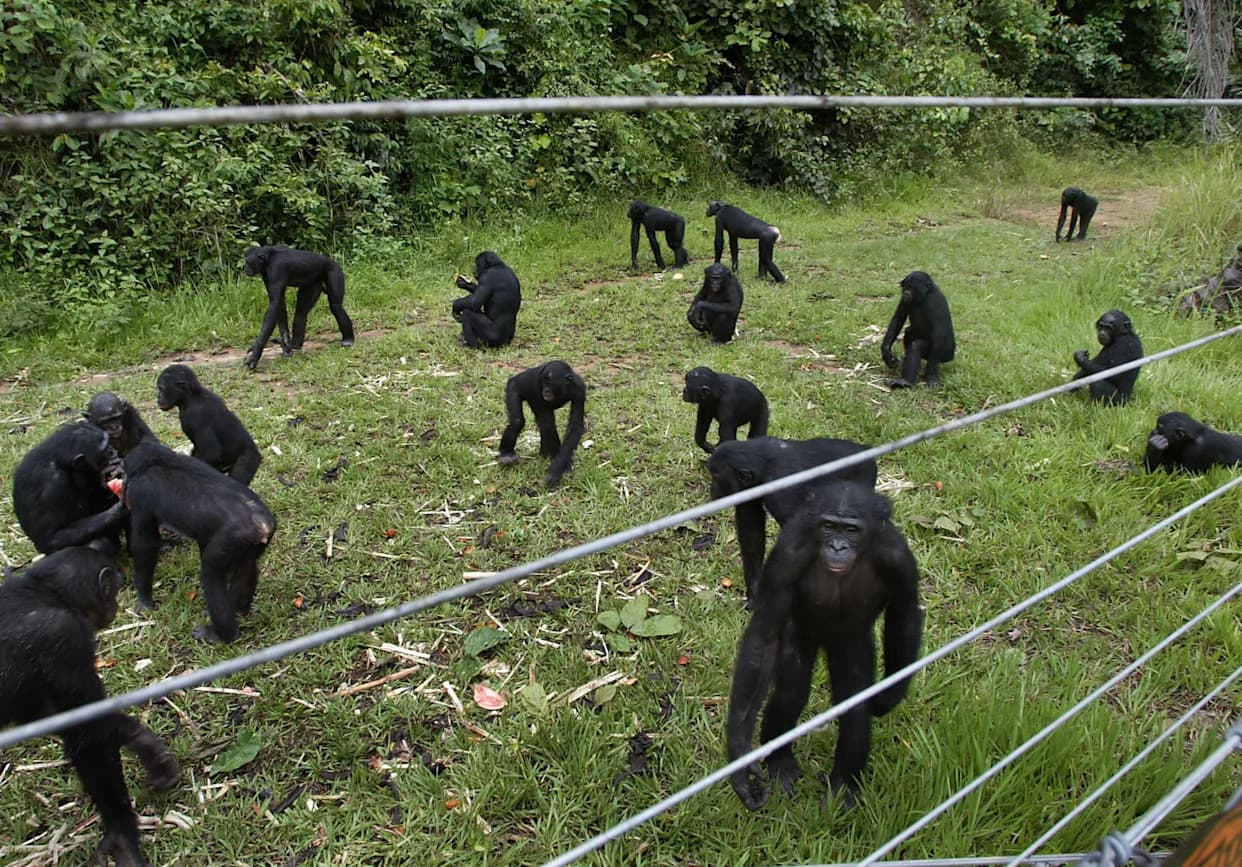
FILE - A group of Bonobo stand around behind an electric fence at the Lola Ya Bonobo Sanctuary outside of Kinshasa, Democratic Republic of Congo on April 30, 2005. (AP Photo/Schalk van Zuydam, File)(ASSOCIATED PRESS)
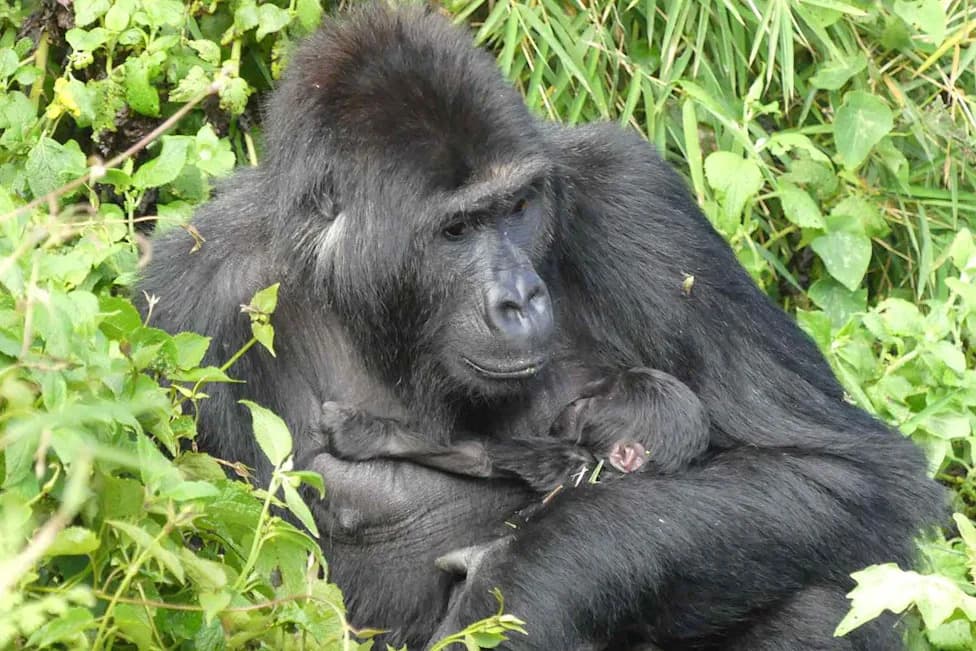
At the Lola ya Bonobo sanctuary on the forested outskirts of Kinshasa, foster mother Micheline Nzonzi cradles a drowsy infant bonobo — an orphan whose survival will be nurtured with bottle feeds, maternal attention and daily play for the next several years.
One Sanctuary, Many Lives
Lola ya Bonobo is the world’s only refuge dedicated exclusively to orphaned bonobos. Founded in 2002 by the conservation nonprofit Les Amis des Bonobos du Congo, the sanctuary houses dozens of adults and a nursery that currently cares for 11 young bonobos. Each infant is paired with a human foster mother who provides years of care before the juvenile can join larger bonobo social groups.
Threats: Poaching, Pet Trade And Bushmeat
Bonobos face steep population losses. Estimates suggest numbers fell from roughly 100,000 in the 1980s to about 20,000 today. The primary drivers are the commercial bushmeat trade, poaching and the illicit pet trade. Young bonobos are often seized by poachers or taken from homes where they were kept as pets; in some cases infants are used as bait to lure and shoot adult bonobos.
"Without me, without us, these bonobos cannot survive," said foster mother Micheline Nzonzi, who has cared for bonobos for more than two decades. "They survive thanks to human affection."
Protection, Education And Innovative Ideas
Sanctuary educators like Arsène Madimba work with communities to discourage hunting and keeping bonobos as pets. Congolese officials have proposed experimental incentives known as "bonobo credits," modeled on carbon credits, to reward communities for preserving forest habitat. The idea remains in its early stages.
Primatologist Gladys Kalema-Zikusoka noted cultural differences across the region: in neighboring Uganda apes are rarely hunted, while in parts of Congo some people believe eating a primate confers strength, a belief conservationists are trying to counter through outreach.
Behavior, Biology And Rehabilitation
Bonobos share nearly 99% of their DNA with humans and, along with chimpanzees, are our closest living relatives. They mature slowly: mothers raise infants for four to five years, which makes populations vulnerable to increased adult mortality. Bonobo societies are female-led and are often described as unusually tolerant and socially cohesive; their frequent, varied sexual interactions have earned them the informal label "hippie apes."
Rehabilitating an animal for release is rare and can take years of careful preparation. Many rescued bonobos spend their lives at Lola ya Bonobo, where staffers such as zookeeper Frank Lutete form close bonds with the animals and tend to daily needs like feeding and enrichment.
Public Health And The Illicit Trade
Trade in primate meat has been pushed underground in Kinshasa, partly because authorities restrict sale of monkeys to reduce zoonotic disease risk, including Ebola. Vendors at local markets report that selling monkeys is now illegal, but other bushmeat species remain available illegally, contributing to persistent demand.
Source: Reporting adapted from The Associated Press. The sanctuary and its staff continue education, rescue and rehabilitation efforts aimed at safeguarding the future of this endangered species.
Help us improve.