Leonel Garciga, the Army's outgoing CIO, says the main barrier to modernization is people and processes, not technology. He prioritized rapid deployment, user experience, and supervised experimentation to accelerate adoption. Persistent friction — slow access, excessive paperwork, incompatible software, and outdated memo formats — spurred efforts to push decisions downward. While broad AI access encourages innovation, Garciga warns that training and governance will be needed to prevent uncontrolled sprawl.
Former Army CIO: People, Not Technology, Are the Hardest Part of Modernization
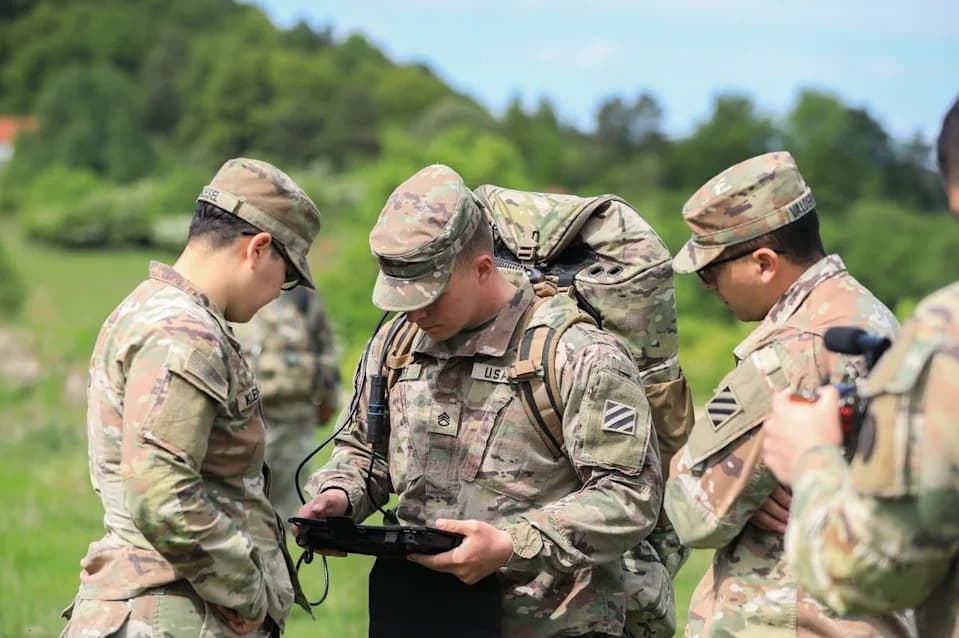
Acquisition reform in the Army began under the Biden administration and has accelerated under the Trump administration.US Army courtesy photo
Leonel Garciga, who recently completed a three-year term as the U.S. Army's chief information officer, says deploying new digital tools and artificial intelligence is the easy part — getting people and processes to adapt is the real challenge.
Technology Is Simple; Change Is Hard
"The hardest part is never the tech, ever," Garciga told Business Insider. He said his tenure focused on breaking through red tape, speeding deployments, and creating supervised sandboxes where soldiers and civilians could experiment without waiting months for approvals.
"Let's just make it ubiquitously available and see what happens. Let's break some glass."
Prioritizing Speed and User Experience
Garciga emphasized swift rollout and strong user experience over protracted development cycles. He argued that making tools available quickly — even if some fail — helps users understand value faster and surfaces practical problems that can be fixed in real-world use.
He described common friction points: weeks-long waits for system access, excessive paperwork for routine tasks, and siloed procurement that left different Army components buying incompatible software. Even basic communication tools and legacy memo formats, designed for a paper era, frustrate modern workflows.
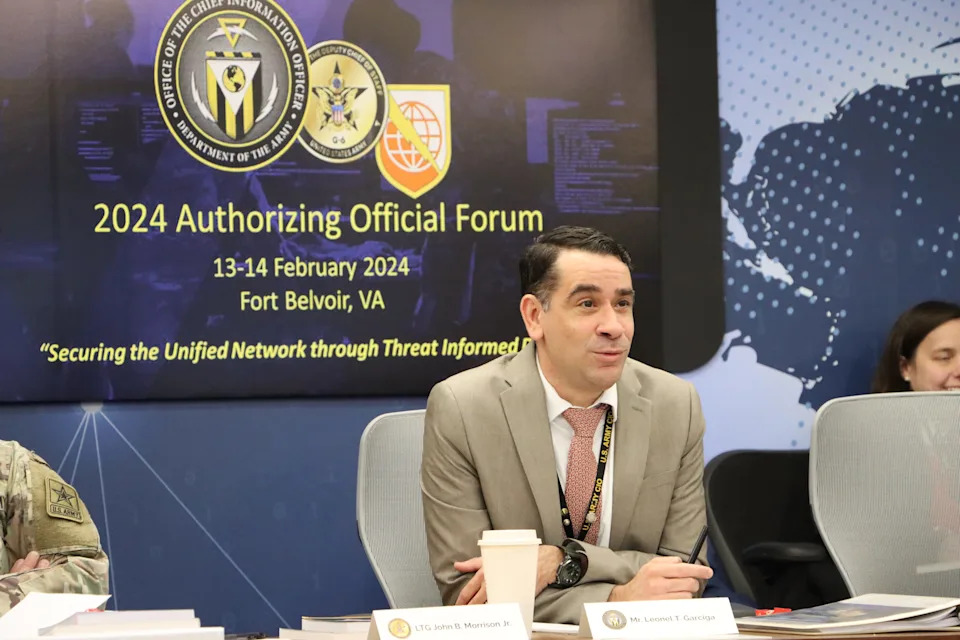
Garciga is a first-generation American, and his family hails from Cuba.Caleb Thompson/Army Chief Information Officer
Decentralize Decisions, Empower Commanders
To reduce delays, Garciga pushed decisions downward so commanders and frontline users could get capabilities without lengthy approvals. "Don't turn it into a process that takes time and delays people getting the capability they need," he said.
AI Adoption: Opportunity and Growing Pains
The Army has lowered barriers so personnel can experiment with AI, but rapid adoption created demand for training and clearer policy. "Probably the biggest demand signal we get is, 'How do I get trained on this because I don't understand what I'm looking at?'" Garciga said. He also warned that leaders must decide where governance is needed to prevent unchecked sprawl.
Background and Next Steps
A first-generation American whose family immigrated from Cuba, Garciga began his career in the Navy and earned his submarine warfare pin aboard the USS Memphis. He later worked on rapid field solutions, including the Joint IED Defeat Organization in the 2000s, which informed his focus on quickly delivering capabilities to troops.
Garciga is leaving the Army to join Booz Allen Hamilton as an AI and technology advisor. He said his successor must balance rapid access and innovation with appropriate governance to avoid "unbridled sprawl."
Help us improve.