Hundreds of climbers remain determined to climb Mount Everest despite a large, unstable serac that delayed the Icefall route opening until April 29. Route teams have cut a new line beneath the serac and are shortening exposure in the dangerous Khumbu Icefall by timing moves for colder hours, reducing loads and relying on experienced Sherpa. The 2014 serac-triggered avalanche that killed 16 Nepali workers and concerns over glacier melt from climate change have heightened vigilance this season.
Mount Everest Season Opens Late as Huge, Unstable Serac Looms Over Icefall
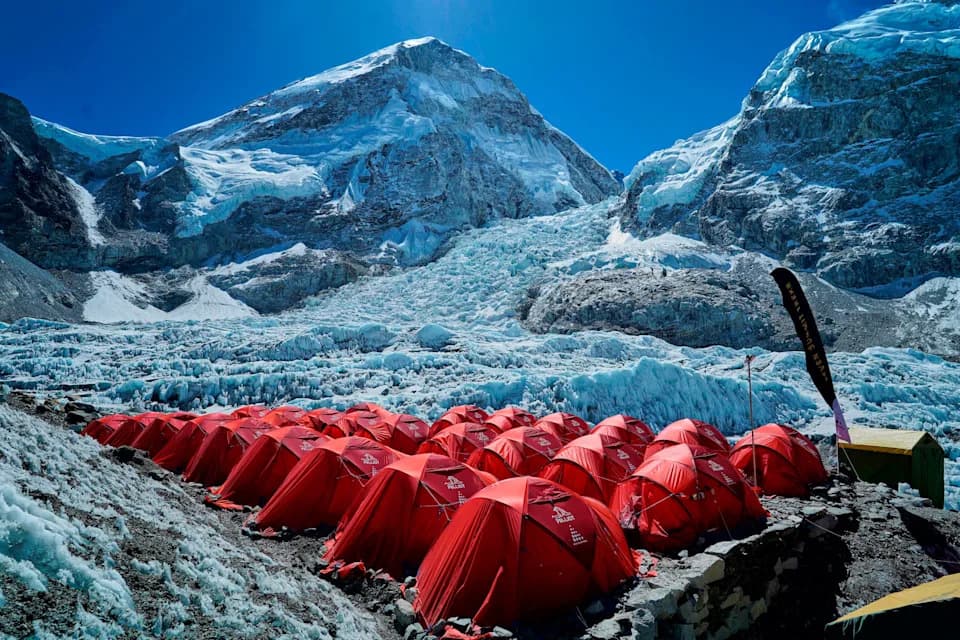
FILE - Khumbu Icefall is visible between two peaks in the background at the Everest Base Camp in Nepal, April 25, 2025. (AP Photo/Pasang Rinzee Sherpa, File)(ASSOCIATED PRESS)
KATHMANDU, Nepal — Hundreds of climbers are preparing to attempt Mount Everest this season despite a massive, cracked block of ice — a serac — hanging dangerously over the main route through the Khumbu Icefall. Higher travel costs and increased permit fees have not sharply reduced interest: roughly 410 climbers and about the same number of Nepali guides are at Base Camp readying for summit bids during the brief window of favorable weather.
The Icefall route, normally fixed by mid-April by the elite rope-fixing team known as the "Icefall doctors," was opened late this year on April 29 after teams rerouted the path below the unstable serac. The Sagarmatha Pollution Control Committee (SPCC) warned that the serac has multiple cracks and "may collapse at any time," urging extreme caution.
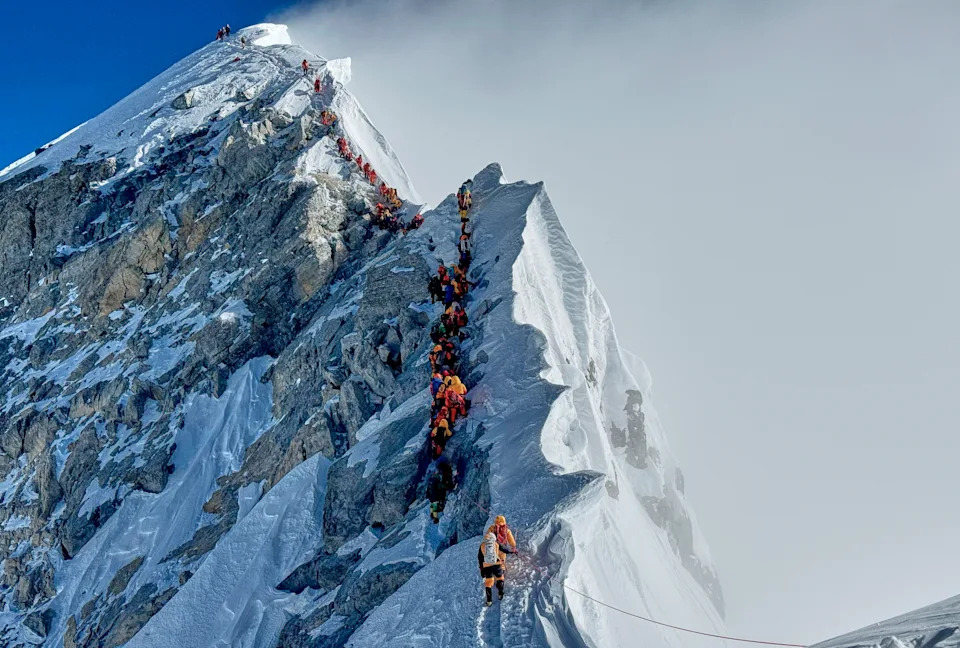
FILE - Mountaineers form a queue as they approach the summit of Mount Everest in Nepal, May 18, 2025. (AP Photo/Kunga Sherpa, File)(ASSOCIATED PRESS)
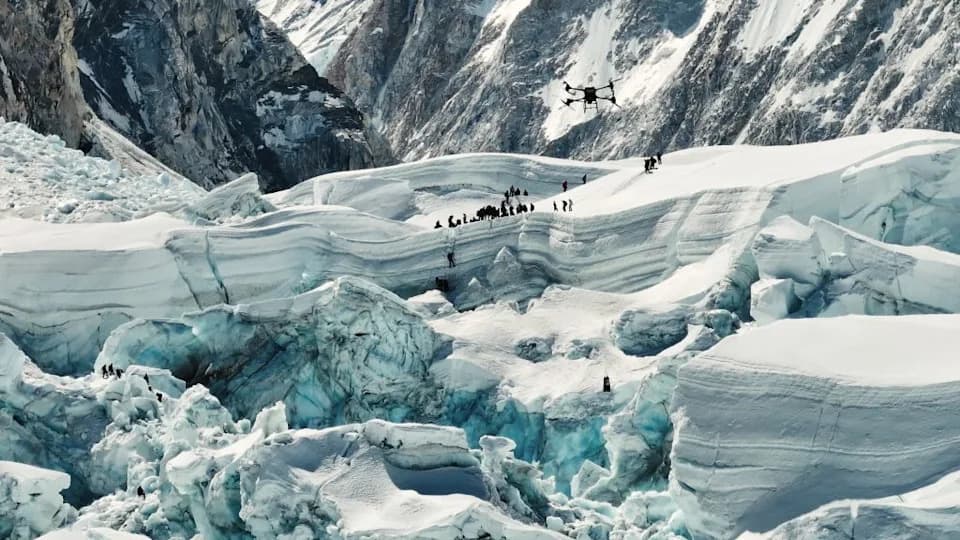
The Khumbu Icefall is a constantly shifting glacier feature with deep crevasses and towering ice overhangs — sometimes as large as ten-story buildings — and is regarded as one of the most hazardous sections on the ascent. Because the serac remains in place, route teams have cut a new line that passes beneath the unstable ice, and expedition operators say they are taking extra precautions.
Risk Mitigation Measures
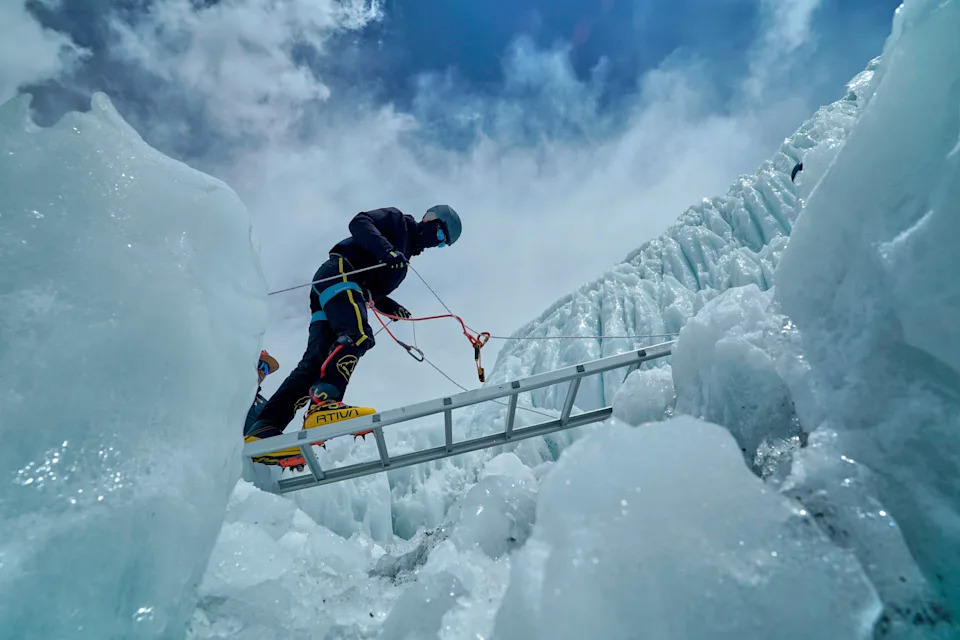
FILE - A mountaineer takes part in a training session at Khumbu Icefall before beginning his ascent to the summit of Mount Everest in Nepal, April 27, 2025. (AP Photo/Pasang Rinzee Sherpa, File)(ASSOCIATED PRESS)
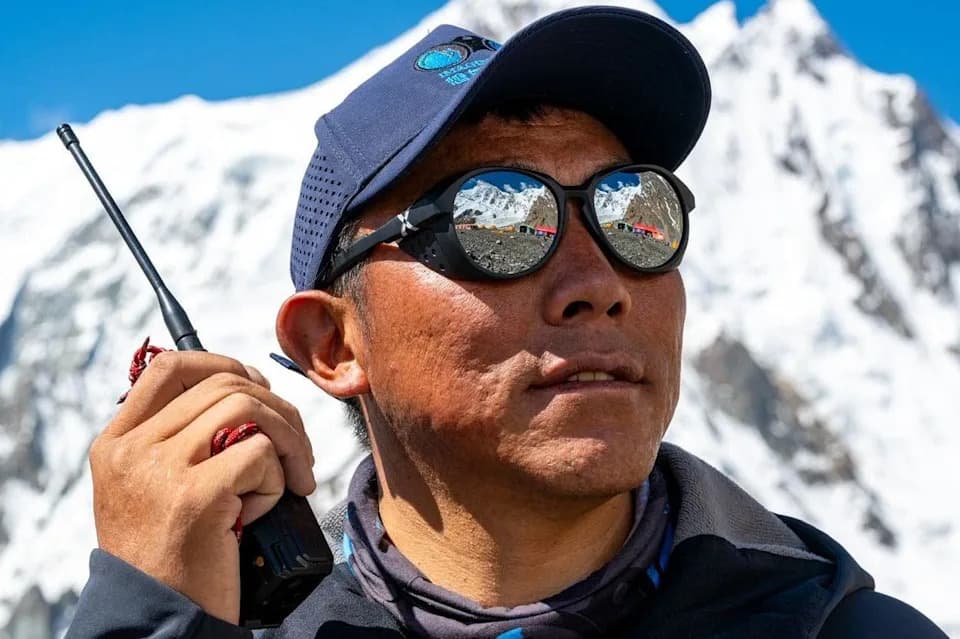
Guides and expedition leaders report reducing carried loads, minimizing exposure time in the Icefall, timing movements to colder morning hours when ice is more stable, and relying heavily on the experience of Sherpa teams for real-time risk assessment. Veteran guide Lukas Furtenbach, who has dozens of climbers and scores of Sherpa on the mountain, warned from Base Camp:
“Anyone who says they’re not concerned is either inexperienced or not paying attention. The serac is a real, objective hazard.”
Other operators echo the caution. Ang Tshering Sherpa of Asian Trekking emphasized that morning crossings are generally safer because colder temperatures make the ice firmer, while warmer afternoons increase the risk of melting and falling ice.
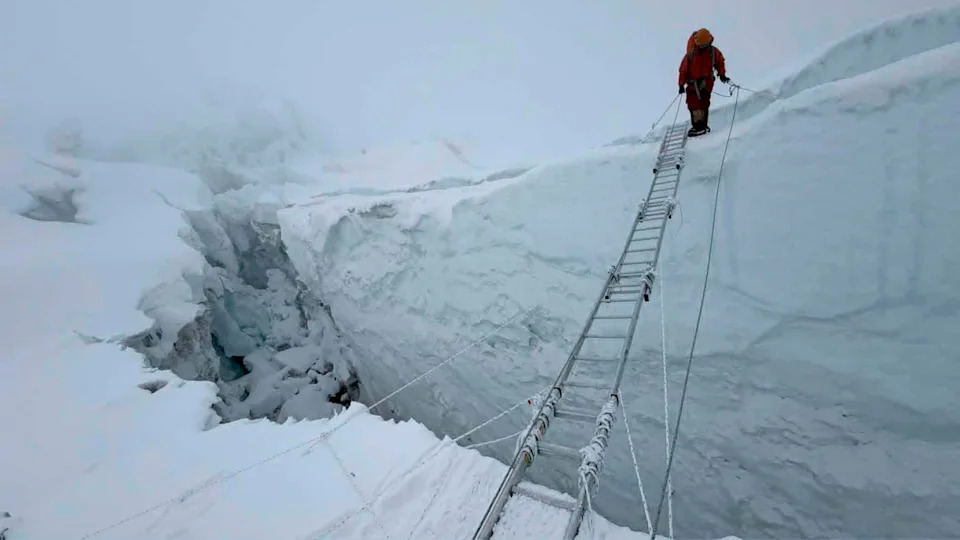
In this photo provided by Asian Trek, a mountaineer walks at Khumbu Icefall before beginning his ascent to the summit of Mount Everest, Nepal, in May 2026. (Asian Trek via AP)(ASSOCIATED PRESS)
The memory of the 2014 Khumbu Icefall catastrophe — when a falling serac triggered an avalanche that killed 16 Nepali guides and workers — remains an urgent reminder of the stakes. Climbers and operators are watching conditions closely as the season progresses.
Broader Context
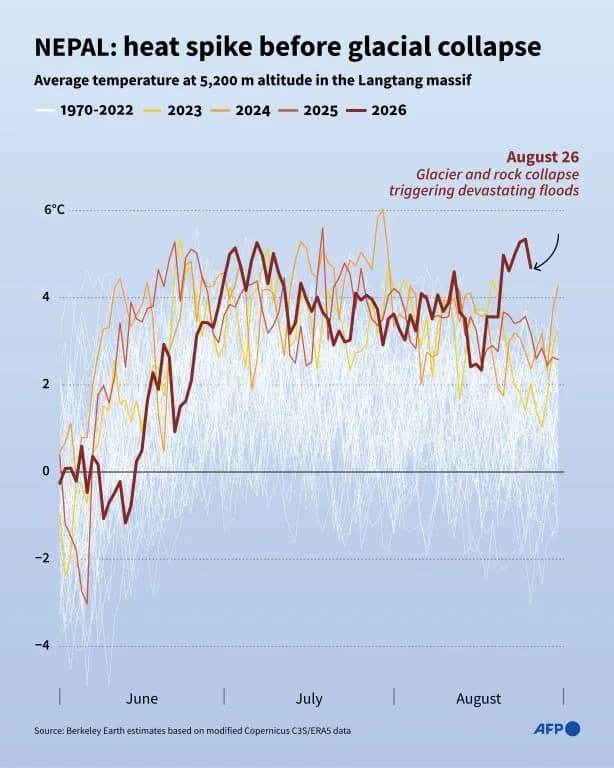
Seasonal melting and glacier retreat tied to global warming have raised long-term concerns about Himalayan climbing routes. U.N. Secretary-General António Guterres visited Nepal in 2023 to highlight the rapid loss of glaciers across the region. This year’s climbing season is further shaped by geopolitics: China has closed the north (Tibet) route, so all summit attempts are being staged from Nepal’s southern approach.
Despite higher costs and fewer Western climbers this season, organizers report more climbers from Asian countries, keeping overall expedition numbers substantial. Since the first confirmed ascent by Sir Edmund Hillary and Tenzing Norgay on May 29, 1953, thousands have reached the summit, but each season continues to demand careful risk management and respect for the mountain’s changing conditions.
Help us improve.