The University of Colorado team compared CSF from three women with MS and three age-matched controls and identified over 100 proteins that differed between the groups: 72 were increased and 46 were decreased in women with MS. Elevated proteins were linked to immune cells (microglia, macrophages) while reduced proteins related to neurogenesis and neuron maintenance. The study also found higher CSF levels of sex hormone-binding globulin (SHBG), suggesting hormonal mechanisms may contribute. Results are preliminary and require confirmation in larger studies.
Small Study Finds CSF Protein Differences That May Help Explain Higher MS Risk in Women
Multiple sclerosis attacks neurons in the brain and spinal cord. (Vadym Plysiuk/iStock/Getty Images Plus)
About 2.9 million people worldwide are estimated to be living with multiple sclerosis (MS), and roughly three-quarters of them are women. A preliminary study from the University of Colorado Anschutz Medical Campus has identified differences in cerebrospinal fluid (CSF) proteins that could help explain part of that sex disparity and point toward female-specific biomarkers or treatment strategies.
What the Study Did
The researchers analyzed CSF collected by lumbar puncture from three women diagnosed with MS and three age-matched women without MS who underwent the procedure while being evaluated for severe headaches. Using proteomic analysis, the team compared protein levels between the two groups.
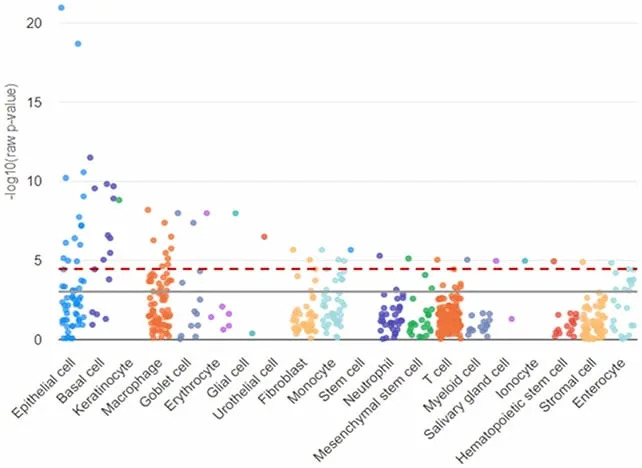
The researchers linked proteins to the cells they influenced. (Oldham et al.,IBRO Neurosci. Rep., 2025)
Key Findings
The study found more than 100 proteins with significantly different levels in the CSF of women with MS versus controls:
- 72 proteins were increased in women with MS, including proteins linked to immune-cell activity such as markers associated with microglia and macrophages.
- 46 proteins were decreased, many involved in neurogenesis and neuron maintenance—processes that support new neuron production and repair.
- One notable elevated protein was sex hormone-binding globulin (SHBG), which binds estrogen and testosterone and can reduce the availability of these hormones to tissues.
“Many neurological and neurodegenerative diseases show sex differences,”
said endocrinologist Dr. Kimberley Bruce. “These differences may help us understand disease mechanisms and develop more targeted therapies.”

Subscribe to ScienceAlert's free fact-checked newsletter
Why Hormones Matter
The investigators suggest that hormonal factors could contribute to the observed sex difference. Women in their 30s and 40s—an age range when MS diagnoses are disproportionately higher—experience pregnancies and menstrual-cycle changes that alter hormone exposure. Elevated SHBG in CSF could mean less free estrogen and testosterone, potentially affecting immune activity in the central nervous system.
Limitations and Next Steps
These results are preliminary. The sample size is very small (three cases and three controls), so findings must be validated in larger, diverse cohorts. Future studies should confirm which protein changes are reproducible and whether any can serve as reliable biomarkers or therapeutic targets specific to women with MS.
The research has been published in IBRO Neuroscience Reports. While promising, these early results are a starting point rather than definitive answers about why MS affects women more often.
Help us improve.