An urban explorer, Jeremy Krans, located the long-hidden debris field of a CIA A-12 Oxcart that crashed near Area 51 on January 5, 1967, killing pilot Walter Ray. The A-12, a precursor to the SR-71 Blackbird, reached documented speeds exceeding 2,200 mph but was retired in 1968 as satellites and the SR-71 reduced its role. Investigators concluded a fuel-gauging fault caused engine flameout; although wreckage and remains were recovered, the crash site remained secret until Krans's 2009 discovery. Krans later installed a memorial, and the CIA has honored Ray on its Langley Memorial Wall and restored an A-12 display in tribute.
Decades-Old Mystery Solved: Urban Explorer Locates A-12 Oxcart Crash Site Near Area 51
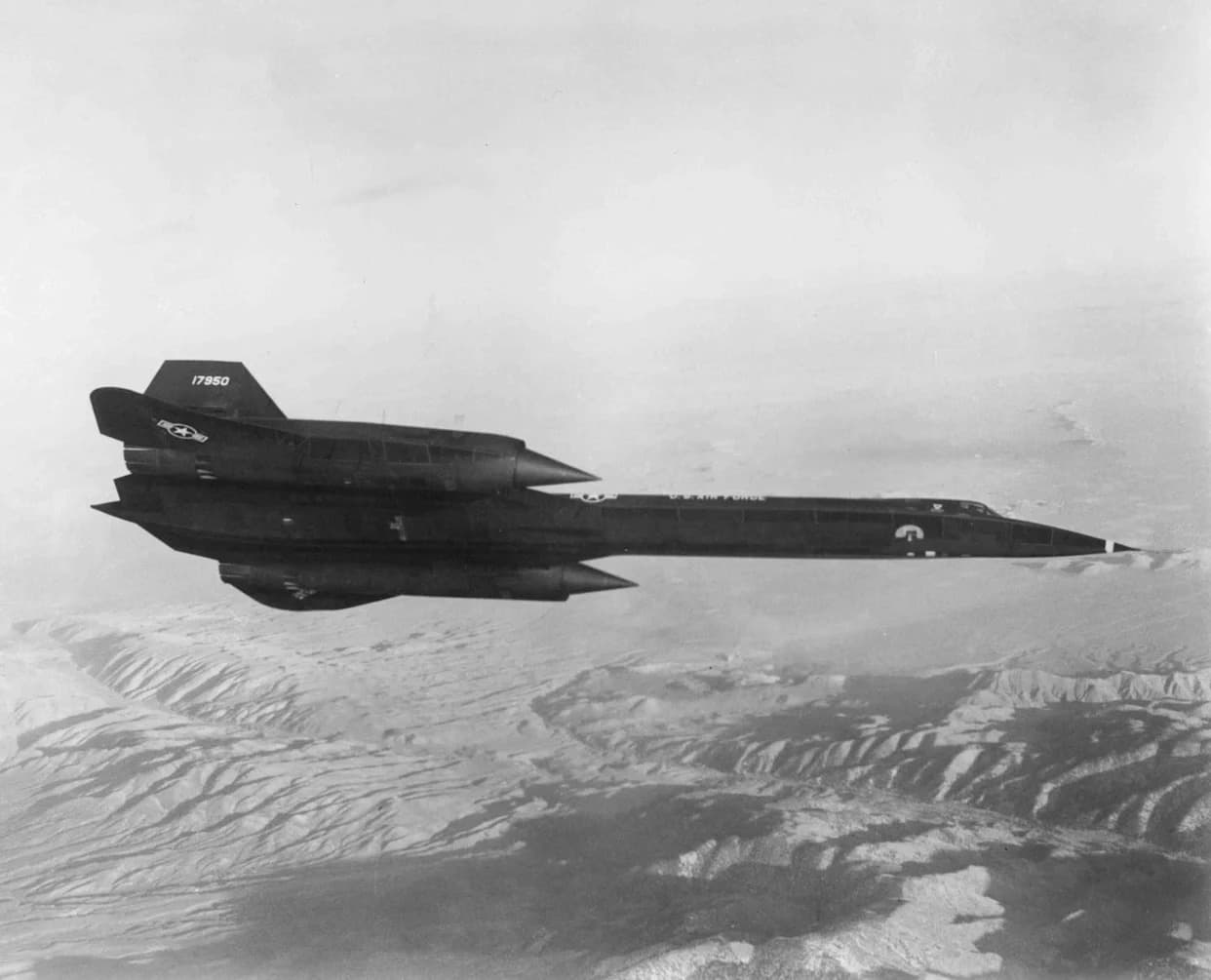
Explorer Finds Crashed CIA Aircraft Near Area 51Photo 12 - Getty Images
An urban explorer has finally resolved a decades-old aviation mystery by locating the remote crash site of a CIA A-12 Oxcart near Area 51 — the plane that killed CIA pilot Walter Ray on January 5, 1967.
Background: The A-12 Oxcart
The A-12, built by Lockheed's Skunk Works, was the CIA's high-speed, high-altitude reconnaissance aircraft and the direct predecessor to the SR-71 Blackbird. Lighter and shorter than the SR-71, an A-12 recorded a documented peak speed of 2,208 mph at 90,000 feet during a 1965 flight. The CIA distinguishes this A-12 benchmark from the SR-71's official piloted operational records of 2,193 mph and 85,069 feet. Only 15 A-12s were produced, and the program was retired in 1968 as satellites, operational needs, and the SR-71 reduced the A-12's role.
The Crash
On January 5, 1967, pilot Walter Ray took off from Area 51 in an A-12. Investigators later concluded, citing aviation group Roadrunners Internationale, that a fuel-gauging fault caused fuel starvation and engine flameout. Ray did eject, but the seat separation sequence failed and he remained attached to the seat at impact, killing him. The wreckage and Ray's remains were recovered, but the crash site was kept secret and did not appear on public CIA maps.
The Search and Discovery
Beginning in the late 1990s, urban explorer Jeremy Krans followed leads and systematically eliminated possible locations by visiting remote stretches of the Nevada desert. In 2009 he located the debris field — roughly 42 years after the accident — confirming the long-suspected site. The debris was scattered across an otherwise nondescript expanse of desert floor.
Memorials and Legacy
Krans later returned to the site and erected a small memorial, including a miniature A-12 model. The CIA eventually honored Walter Ray on its Memorial Wall at Langley, Virginia, and in 2024 published coverage of the restored A-12 display at its headquarters as a tribute to Ray and to Jack Weeks, another A-12 pilot who died in a 1968 crash. While the CIA has not published official public coordinates for the crash site, it has become better known among Area 51 researchers; a 2023 trip report from Dreamland Resort described a successful visit to the memorial.
Why it matters: The find connects a fragment of Cold War aviation history — a covert reconnaissance program, a rare and extreme aircraft, and the human cost behind classified operations — with the modern efforts of dedicated researchers and explorers to document and remember it.
Help us improve.