China Is Increasingly Cast As A Bogeyman in U.S. tech debates, with recent reports linking influencer campaigns and Chinese state-media amplification to backlash against AI data centers. Experts say Beijing more often amplifies existing U.S. divisions than creates them. Policymakers are urged to adopt measured responses — including targeted export controls, support for secure domestic data centers, and open-source AI initiatives — rather than reflexively framing every issue as a China national security threat.
China Cast As Scapegoat In U.S. Backlash Over AI Data Centers — What’s Real and What’s Amplified
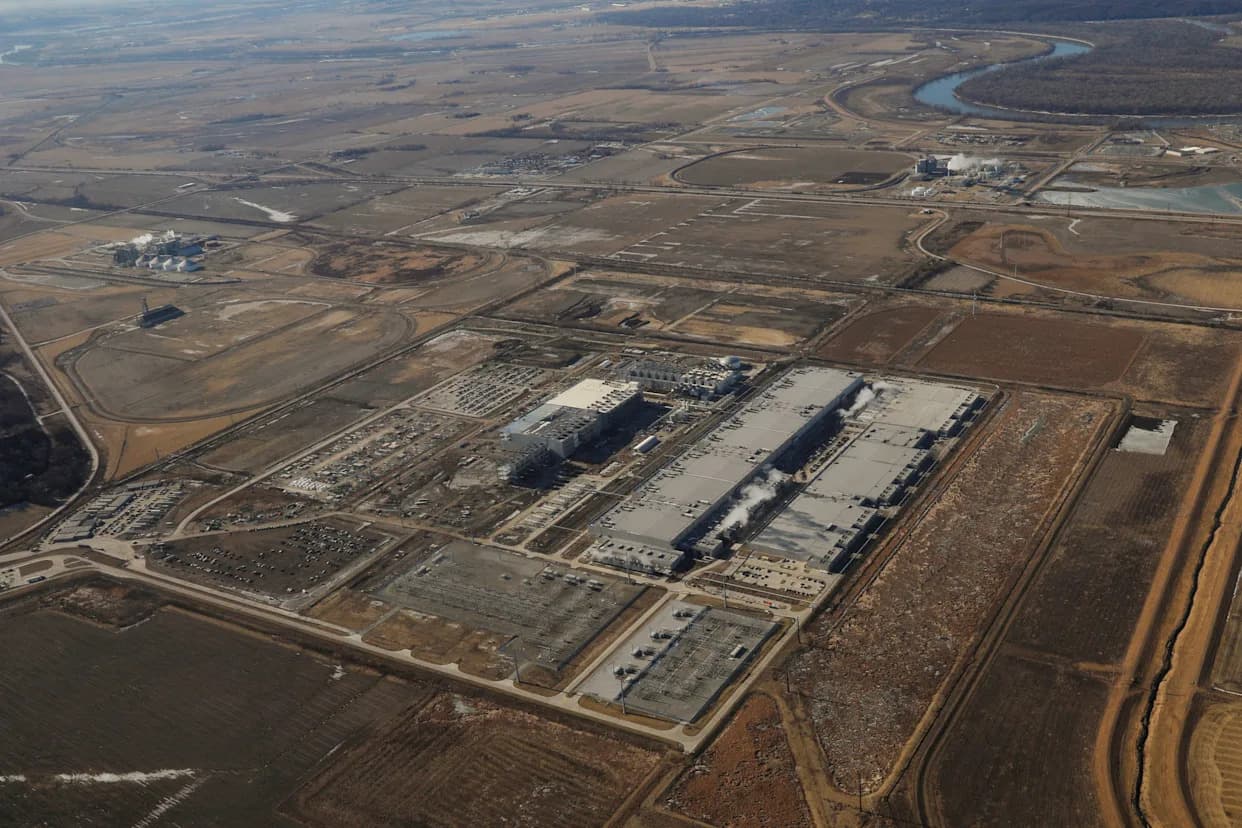
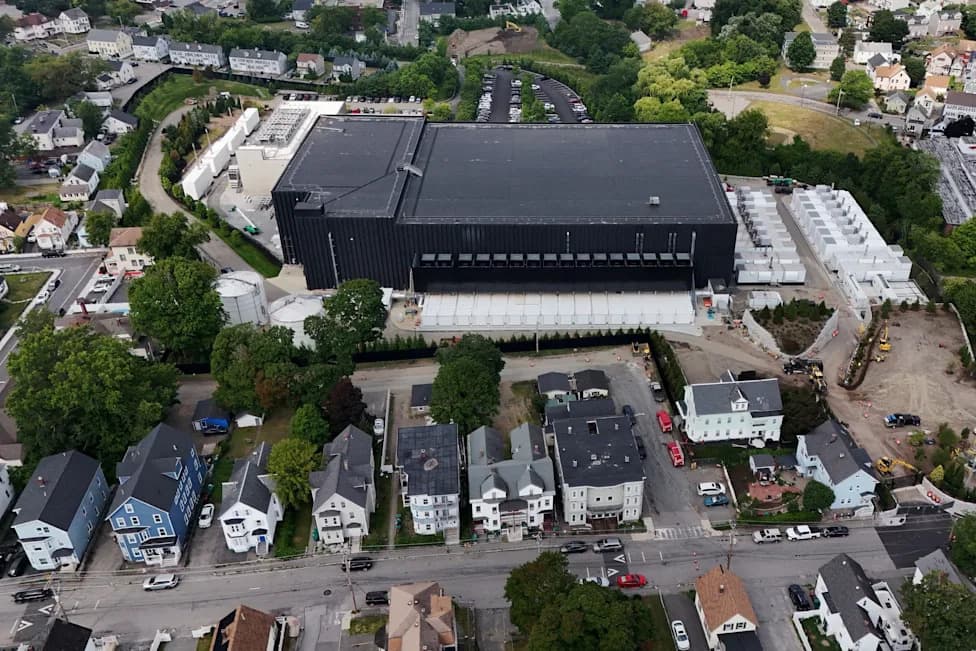
China is increasingly invoked in U.S. debates over tech growth and regulation, often cast as a convenient scapegoat as Washington and Beijing race to lead in artificial intelligence. Recent reporting and commentary link influencer campaigns and Chinese state media coverage to rising public resistance to AI infrastructure such as data centers.
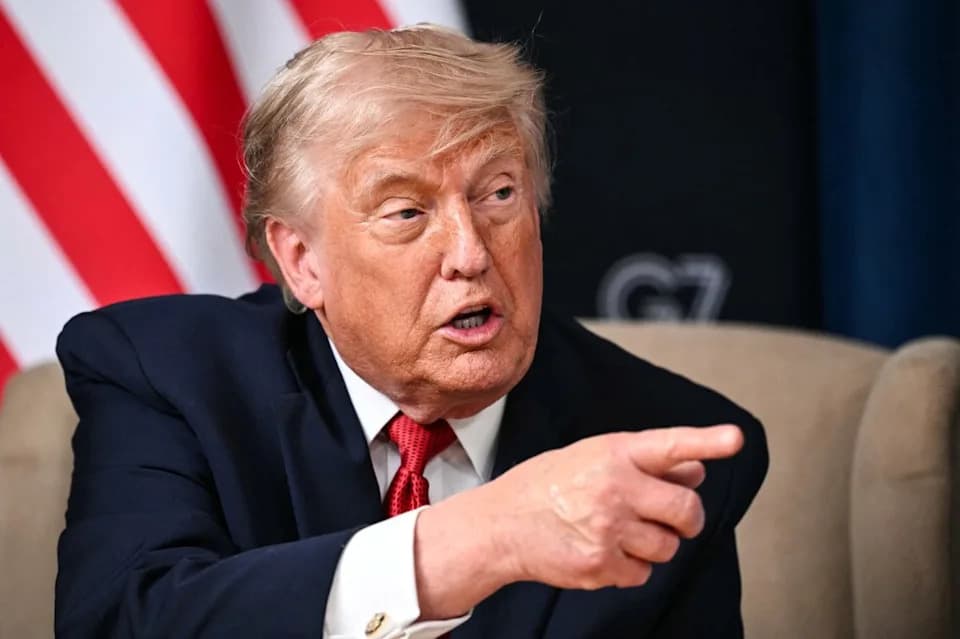
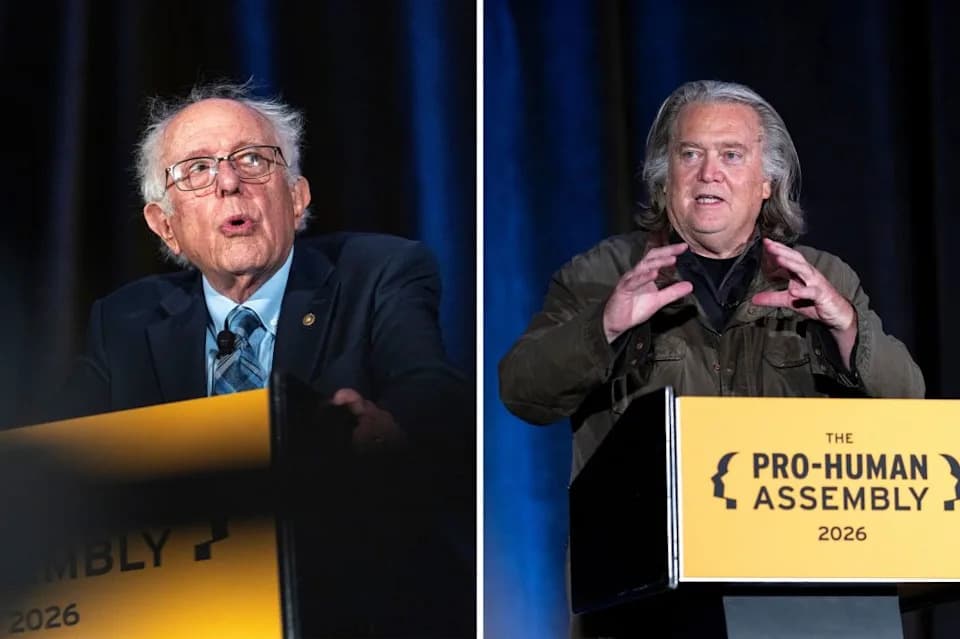
Critics pointed to a Senate hearing chaired by Sen. Bernie Sanders that included two Chinese scholars, a WIRED report that a tech-backed group paid influencers to depict China as a technological threat, and theories suggesting Chinese propaganda may be helping fuel opposition to data-center expansion in the U.S.
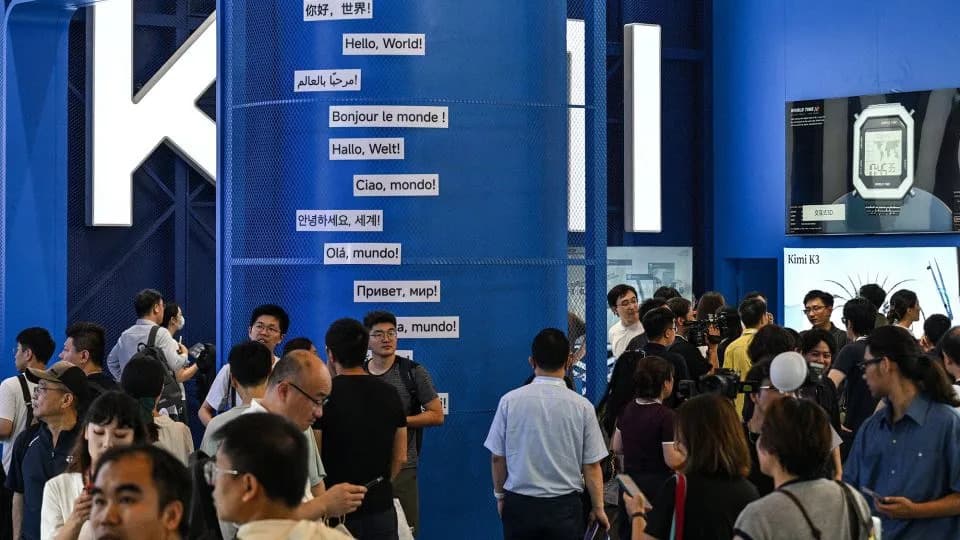
Experts urge caution: Most analysts say the idea that Beijing is the primary architect of the anti–data-center backlash is implausible. US–China tech scholar Samm Sacks told Semafor that Chinese state media generally "take[s] advantage of narratives that are already underway in the U.S." — more often amplifying existing divisions than seeding them.
Still, references to China are becoming louder in policy debates. Pro-tech groups and commentators have warned that portraying every domestic AI or infrastructure concern as a China-driven plot risks skewing the conversation. As one American Edge Project executive put it, "Beijing cannot out-build us, so it is trying to talk us into handcuffing ourselves," a line cited in coverage about energy costs tied to data centers.
Why This Matters
Labeling a wide range of industrial or regulatory issues as "China national security" problems has consequences: it can lead to blunt policy responses, politicize technical debates, and distract from domestic trade-offs such as energy use, zoning, and community impact. As Samm Sacks warned, "When everything becomes a China national security issue, nothing becomes a China national security issue."
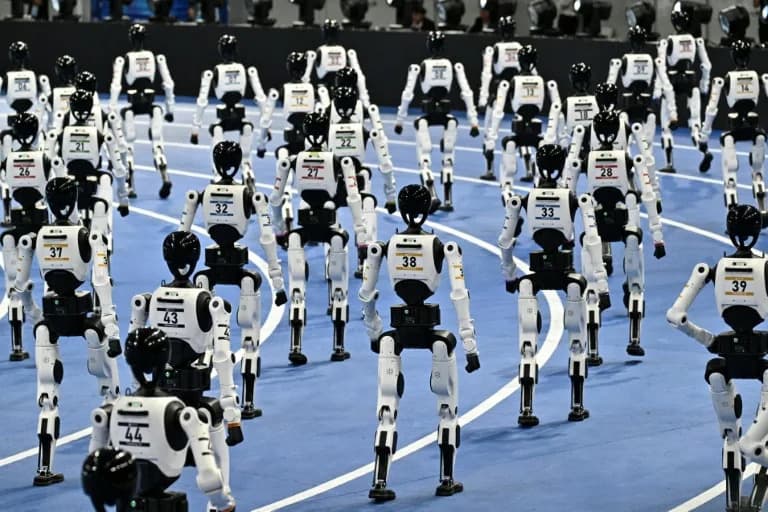
Policymakers are also taking seriously the competitive dimension. Kyle Chan of the Brookings Institution told Congress that while Chinese AI models currently trail leading U.S. systems, Beijing is pursuing multiple AI strategies simultaneously. Chan recommended a balanced U.S. response that includes targeted export controls, assistance to expand secure domestic data centers, and support for open-source AI efforts so the U.S. can translate AI advances into broad economic and societal gains.
On the cultural side, commentary and satire have begun to mock the reflexive blame game — for example, ChinaTalk parodied the tendency by joking Beijing was behind the death of American partying — underscoring how China is sometimes used as an all-purpose explanation for diverse trends.
Bottom line: China may amplify U.S. debates through state media and online channels, but experts largely view Beijing as riding existing domestic divisions rather than engineering them. The sharper policy question for Washington is how to respond to AI’s real infrastructure and security challenges without reflexively turning every issue into a bilateral confrontation.
Help us improve.