The Trump administration has launched a "trade over aid" agenda at the United Nations and signalled it may withhold or condition US dues to force budgetary and institutional reforms. Massive cuts to USAID and reduced support for multilateral bodies have heightened funding gaps, prompting warnings from NGOs and UN agencies that millions could lose access to education, healthcare and food. UN officials say US arrears are "non‑negotiable," even as appeals such as OCHA’s $23 billion response remain severely underfunded.
Trump Administration Pushes 'Trade Over Aid' at UN, Threatens Further Funding Cuts
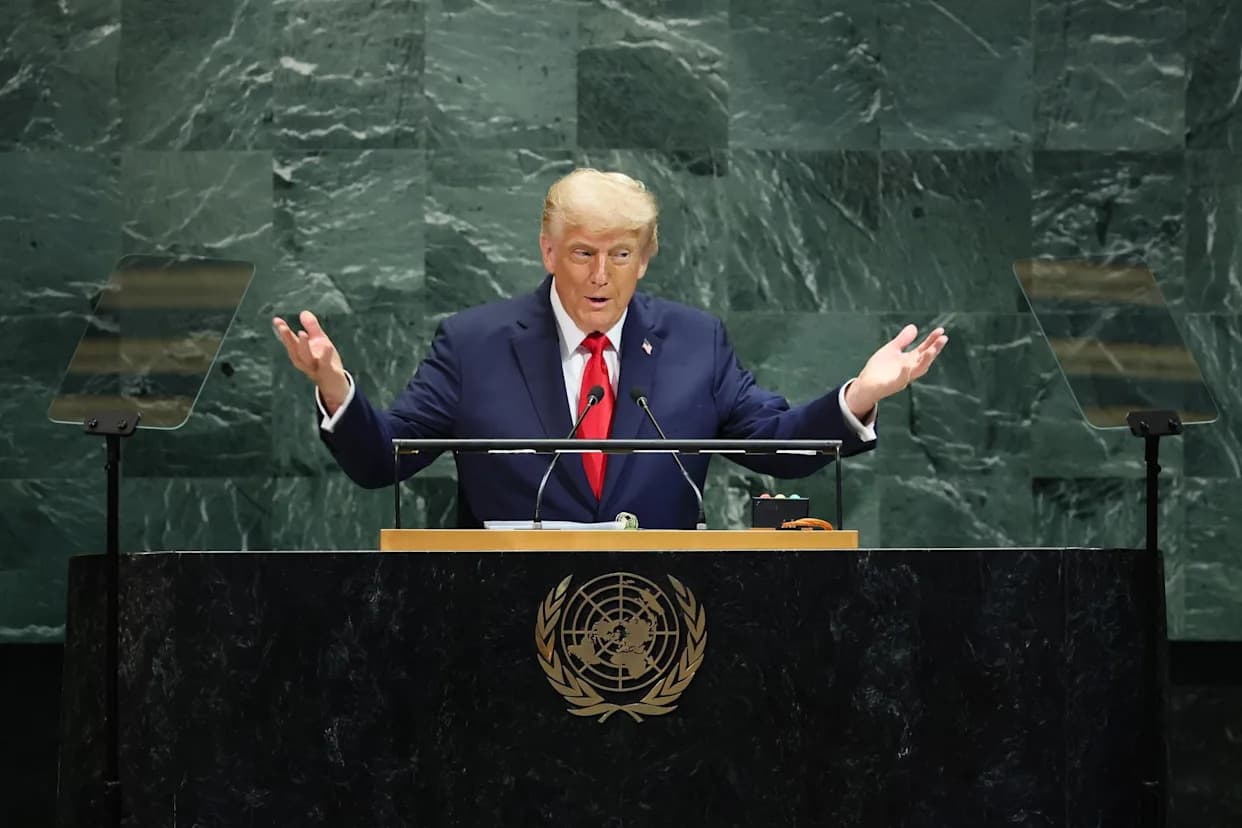
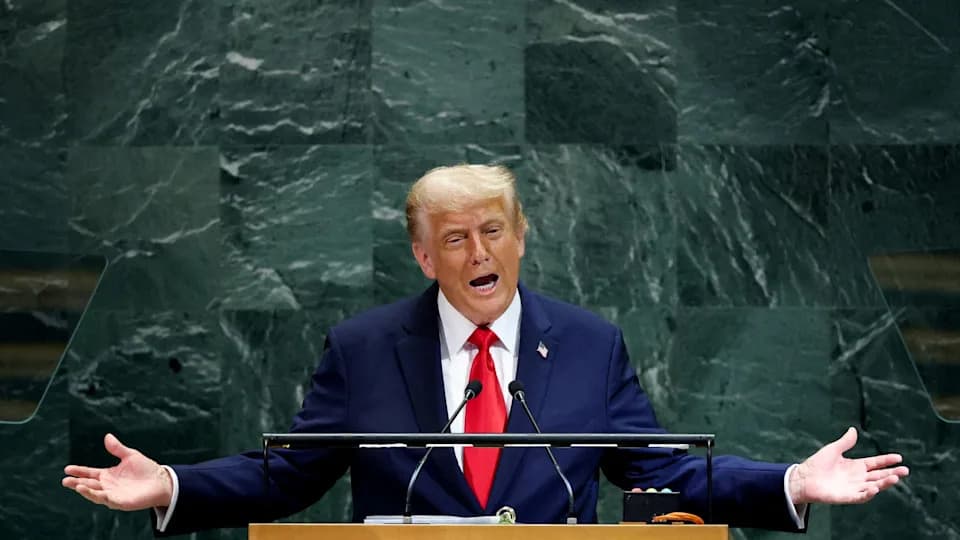
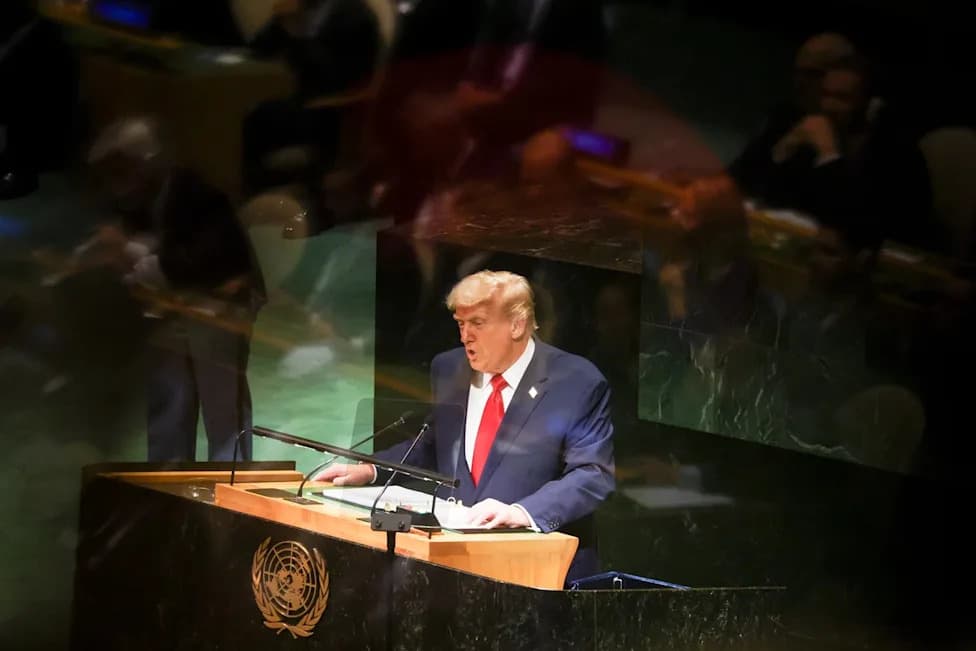
Trump at the UN general assembly in New York last year.Photograph: Michael M Santiago/Getty Images(Photograph: Michael M Santiago/Getty Images)
The Trump administration has escalated pressure on the United Nations and the global aid system to adopt a private‑sector‑led, trade‑focused development model — and has warned that continued resistance could prompt further cuts to US funding.
What the US Is Proposing
Last week Washington unveiled a "trade over aid" initiative at UN forums in New York and Geneva, pitching a shift from donor‑driven assistance toward increased private investment and market‑based development. According to reporting by Devex, two US diplomatic notes circulated alongside the launch made clear that the administration is prepared to make payment of US UN dues conditional on deep cost reductions and institutional reforms.
One note said the US would pay only "a significant portion" of its assessed UN dues unless the organisation implemented measures ranging from an overhaul of the UN pension system to steep travel‑cost cuts. It reportedly tied any extra US payment to peacekeeping budgets to a condition that overall peacekeeping missions be reduced by 10%.
Cuts at USAID and International Impact
Since the start of Donald Trump’s second term, USAID has been dramatically downsized: almost all of the agency’s roughly 16,000 employees were dismissed when its remaining functions were folded into the State Department. The reorganising also affected an estimated 280,000 contractors, partners and locally employed staff, with ripple effects across programmes that serve some of the world’s most vulnerable populations.
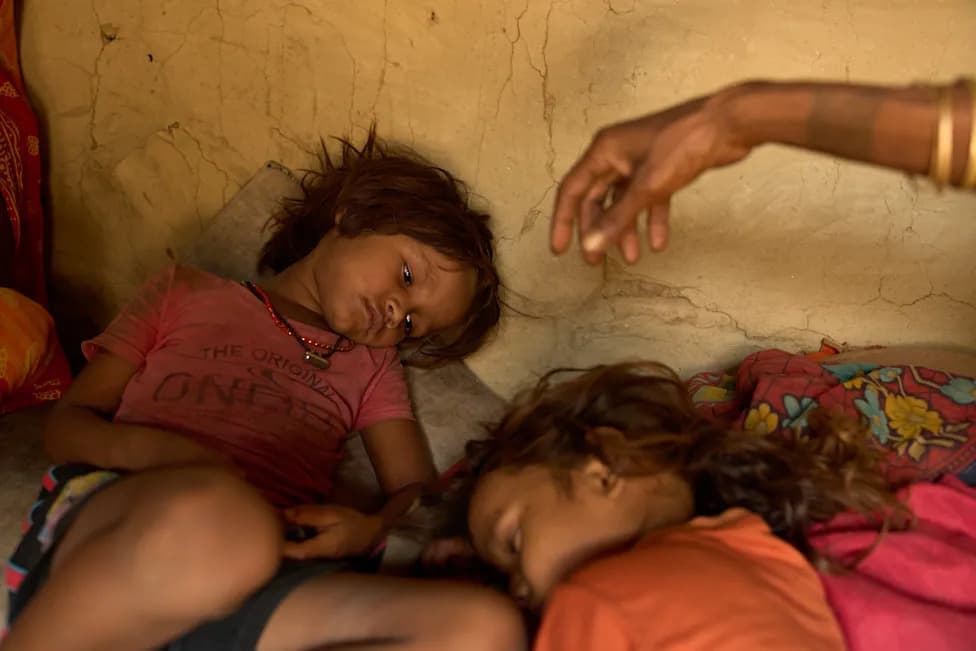
Oxfam America has warned that these changes could leave at least 23 million children without access to education and as many as 95 million people without basic healthcare services, estimating that the closures could lead to more than 3 million preventable deaths per year if alternative support is not found.
Humanitarian Strain And Funding Shortfalls
UN officials say the system is under severe strain. The UN refugee agency (UNHCR) estimates some 3.2 million people have been displaced inside Iran and around 1 million in Lebanon since the Iran war began two months ago. With staff cuts of roughly 30% last year, UNHCR says it requires an additional $61 million to sustain assistance to 600,000 people over the next three months, and that operations are "dramatically underfunded," particularly in Lebanon, Syria, Iran and Afghanistan.
The UN Office for the Coordination of Humanitarian Affairs (OCHA) is campaigning to raise $23 billion to help 87 million people worldwide this year, but that appeal is only about one‑third funded. The World Food Programme warns that nearly 45 million more people could face acute hunger if the conflict continues and oil prices remain above $100 a barrel.
Responses And Political Framing
After reports of the US diplomatic notes surfaced, UN Secretary‑General António Guterres said the funds the United States owes are "non‑negotiable" and warned earlier this year that unpaid dues risked the organisation's financial stability. At the Munich Security Conference in February, Senator Marco Rubio publicly criticised the UN's role in resolving conflicts and called for significant reform.
At the "trade over aid" launch, US Ambassador Mike Waltz defended the approach as a modernisation rather than an abandonment of aid, saying the goal is to "shift the old ways of doing business." The event was attended by representatives of major US firms including Walmart, Bank of America, Goldman Sachs and Palantir, underscoring the administration's emphasis on private‑sector solutions.
Analysis: Risks And Historical Context
Supporters argue that trade and private investment can boost growth through competition, productivity gains and higher GDP. Amrita Saha of the Institute of Development Studies noted those benefits but cautioned that trade "creates both winners and losers," and that without complementary policies the shift could entrench inequalities and leave vulnerable groups worse off.
Observers also pointed to historical irony: Thomas Weiss, a scholar of international relations at the City University of New York, noted that the Group of 77 originally mobilised around trade issues at the 1962 UN Conference on Trade and Development — a reminder that the trade vs aid debate has long roots and complex consequences.
Correction: This article was amended on 4 May 2026. An earlier version misstated which UN agency led a $23 billion public campaign. The appeal to raise $23 billion to help 87 million people is run by the UN Office for the Coordination of Humanitarian Affairs (OCHA), not UNHCR.
Help us improve.