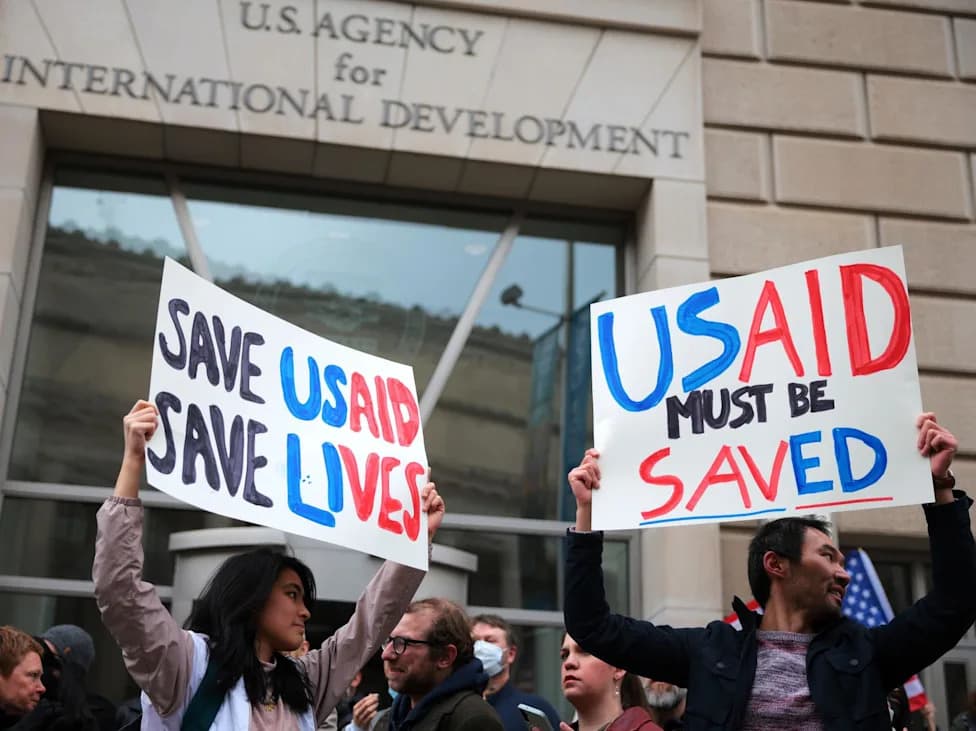
USAID, founded under President John F. Kennedy, has been a central U.S. tool for humanitarian aid and soft-power diplomacy. Research in The Lancet credits programs tied to U.S. development assistance with preventing an estimated 91 million deaths in the early 21st century. The Trump administration’s restructuring and aid cuts—shifting toward bilateral agreements—have been linked by AP reporting to spikes in hunger, medicine shortages and deaths in countries such as Nepal, Myanmar, Nigeria and Somalia. The policy shift raises privacy and accountability concerns while experts warn the full human cost may not be seen for years.
USAID’s Decline and the Human Cost: How U.S. Aid Cuts Are Linked to Hunger, Disease and Death
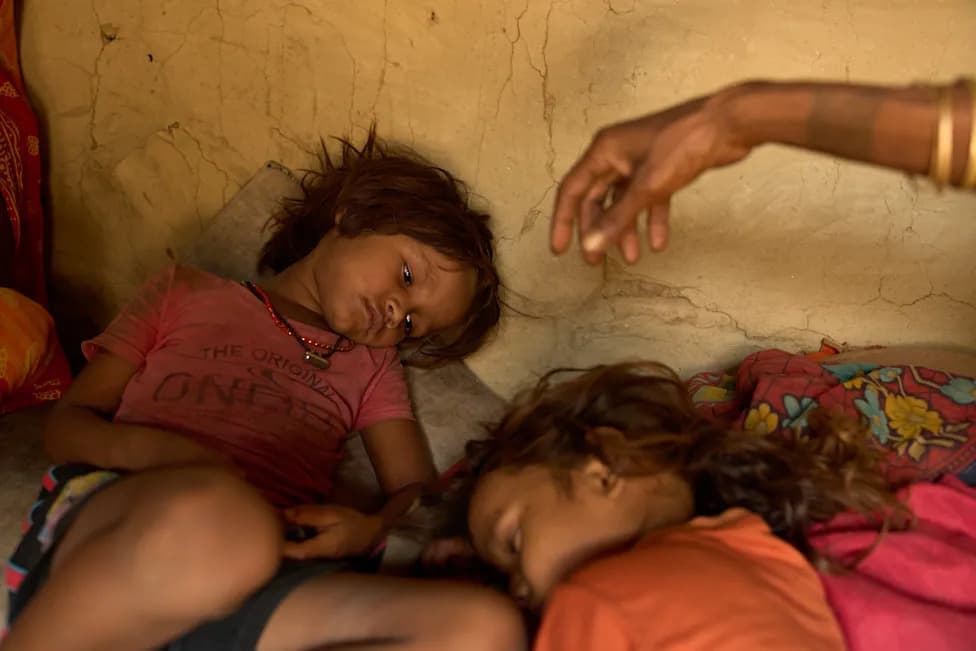
FILE - Sonam Mukhiya, left, lies next to her 3-year-old brother, Yubraj Mukhiya, and their grandmother in their home in Gaur, Nepal, on May 19, 2026. (AP Photo/Bram Janssen, File)(AP Photo/Bram Janssen)
KATHMANDU, Nepal (AP) — The global foreign aid landscape shifted sharply after the Trump administration moved to restructure and reduce funding for the United States Agency for International Development (USAID), long regarded as one of the world’s largest channels for humanitarian assistance. Reporting by The Associated Press and other outlets has linked those policy changes and budget cuts to worsening humanitarian conditions in several countries.
Origins and Role of USAID
USAID was created in the early 1960s under President John F. Kennedy and Congress to coordinate U.S. civilian foreign assistance. Backers argue the agency served as a key instrument of soft power diplomacy: generating goodwill toward the United States, helping curb diseases that could pose domestic risks, and stabilizing fragile countries whose collapse might threaten U.S. interests. Historically, U.S. foreign assistance has amounted to roughly 1% of the federal budget.
Evidence of Lives Saved
Research cited in The Lancet attributes programs tied to U.S. development assistance with preventing tens of millions of deaths in recent decades. One study credited USAID-related initiatives with helping avert about 91 million deaths—including roughly 30 million children under five—in the first two decades of the 21st century.
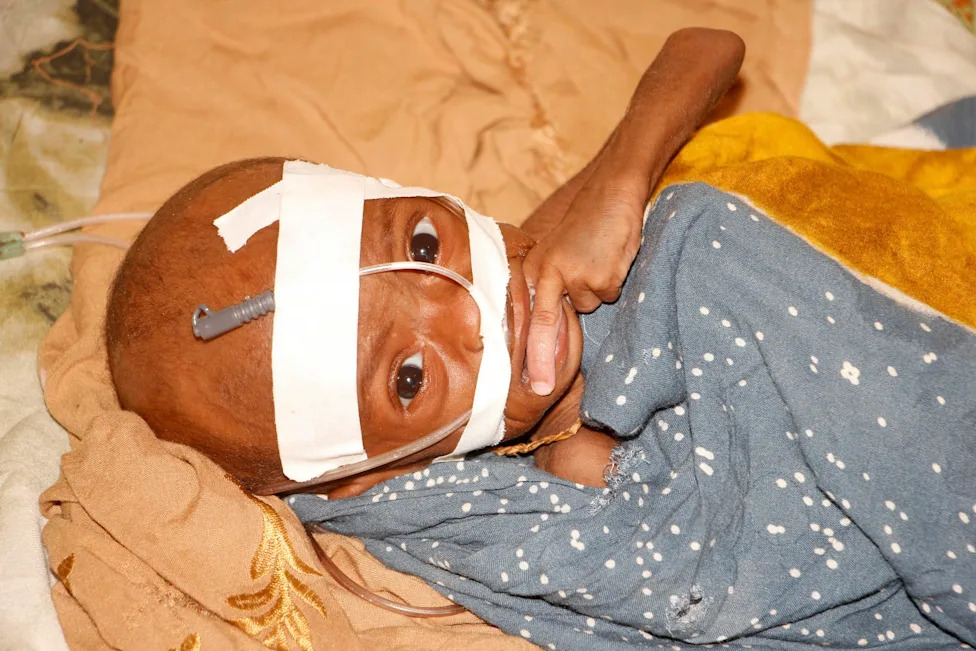
FILE - A malnourished child receives treatment at Banadir Hospital in Mogadishu, Somalia, May 14, 2025. (AP Photo/Farah Abdi Warsameh, File)(AP Photo/Farah Abdi Warsameh)
Policy Shift, Criticism and Cuts
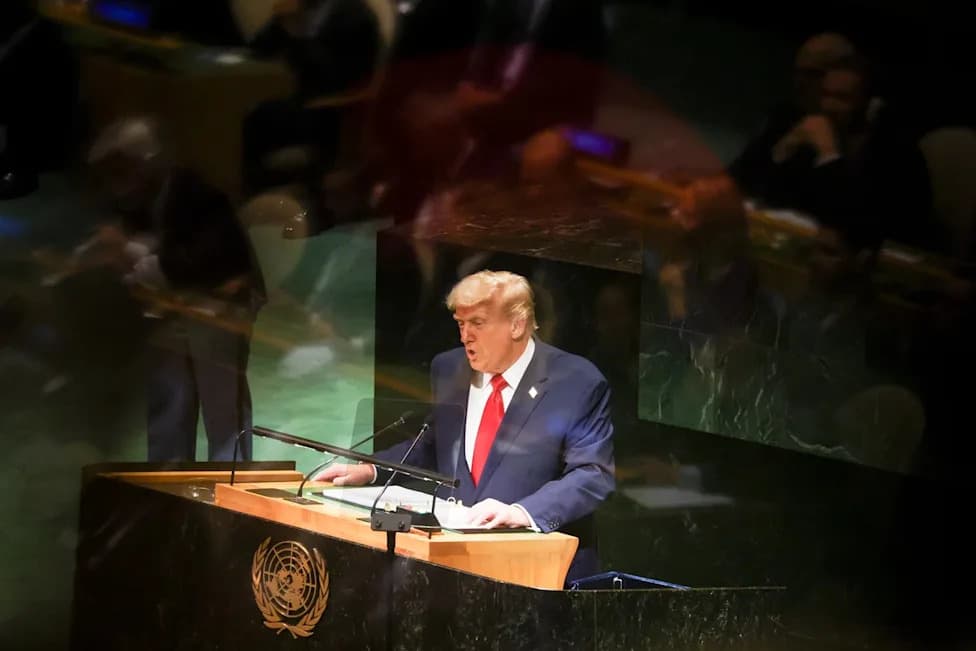
Critics of USAID, including then-President Trump, described the agency as inefficient and wasteful and pushed for major restructuring and spending reductions. The administration said it sought to refocus aid on efficiency, measurable results and direct partnerships with foreign governments rather than relying primarily on nongovernmental organizations.
Reported Humanitarian Impacts
AP reporting and independent observers have linked the aid reductions and program changes to concrete harms: rising severe hunger, shortages of lifesaving medicines, spikes in child marriage, and increases in child trafficking and kidnappings in multiple countries. AP investigations found higher maternal and infant deaths in parts of Nepal after cuts to maternal nutrition and prenatal care programs, and reported child deaths in Myanmar, Nigeria and Somalia following reductions in food rations and nutrition services.
State Department Position: "The Trump administration refocused assistance on efficiency, effectiveness and partnership," the U.S. State Department told AP, adding that "the United States spends more on health and humanitarian assistance than any other country" and urging that "the rest of the world needs to contribute more and share the burden."
New Aid Model And Concerns
The administration’s revised approach favors narrower, interest-driven, bilateral agreements that send funds directly to foreign governments in exchange for specific concessions—such as access to national health data to improve outbreak detection. U.S. officials argue this model is more efficient, but some recipient countries have resisted, citing privacy, accountability and sovereignty concerns about sharing citizens’ medical records and the potential for reduced civil-society oversight.
Outlook And Broader Implications
Experts warn that many effects of reduced aid will take years to appear in health and mortality statistics because malnutrition and untreated illnesses have long-term consequences. Foundations and global health organizations have warned that recent global aid reductions could reverse decades of progress; the Gates Foundation has cautioned that 2025 could be the first year this century in which child deaths increase. Observers say transparent monitoring, renewed investment, and coordinated international burden-sharing will be needed to mitigate lasting damage.
Help us improve.