Researchers recorded 23 North Atlantic right whale calves born during the November–April calving season — the most in a single season since 2009. Many mothers reproduced more frequently than in recent years: 18 had calves within the last six years, a promising sign for potential population growth. NOAA estimates roughly 380 right whales remain, with about 70 reproductively active females. A GoFundMe led by volunteer Zoë Rauscher raised $23,000 to support ongoing research and protection; however, entanglement and vessel strikes remain the primary threats to recovery.
Rare Baby Boom: 23 North Atlantic Right Whale Calves Born — Best Season Since 2009
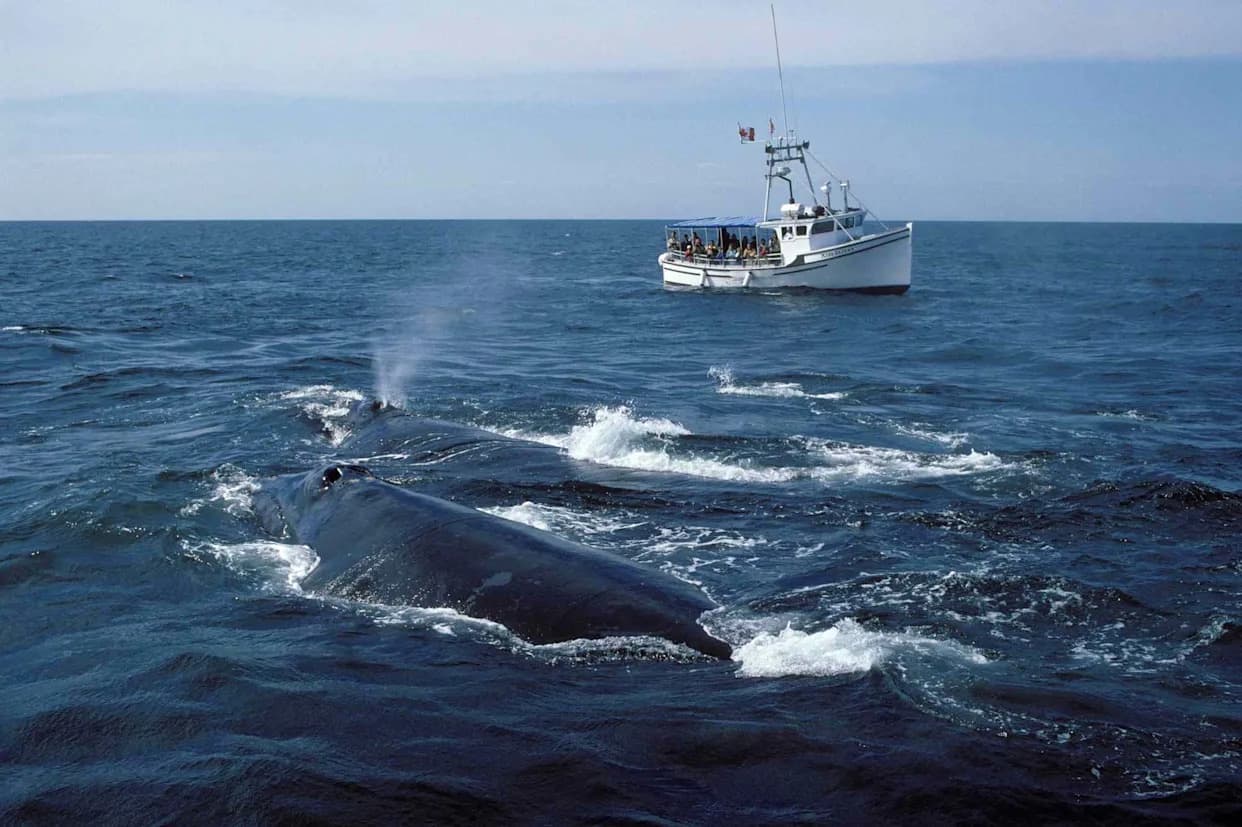
North Atlantic right whalesCredit: Francois Gohier/VW Pics/Universal Images Group via Getty
A rare burst of new life has given researchers cautious hope for the critically endangered North Atlantic right whale. During this season's calving window from November through April, observers recorded 23 new calves — the most in a single season since 2009.
What Researchers Found
Aerial survey teams operating out of Florida, Georgia and the Carolinas conducted routine flights over traditional calving grounds throughout the season. By spring, most animals had begun migrating north; at least 18 of the 23 mother–calf pairs were sighted in Massachusetts waters, and research teams from the New England Aquarium's Anderson Cabot Center documented over one-third of those pairs in Cape Cod Bay during April.
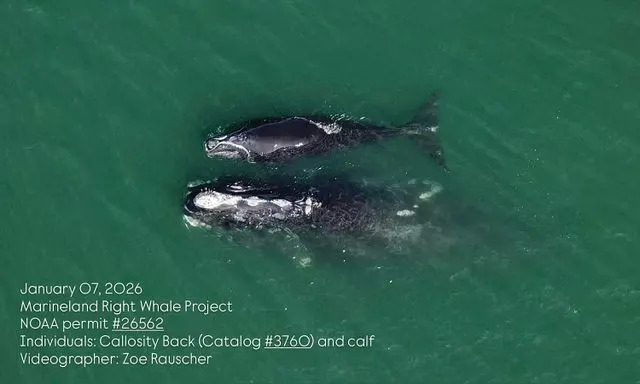
North Atlantic right whales.Credit: Marineland Right Whale Project; Photo by Zoe Rauscher
"It is hopeful to see 23 new calves born this year, but their survival into adulthood is still a long journey ahead in an ocean with many dangers and obstacles," said Amy Warren, Scientific Program Officer at the New England Aquarium's Anderson Cabot Center for Ocean Life.
Encouraging Signs — And Ongoing Risks
Healthy right whales typically reproduce every three to four years, but some females had been producing calves only about once a decade. This season, however, 18 of the mothers had given birth within the last six years, suggesting that a subset of the population may be returning to shorter breeding intervals — a positive signal for potential population growth.
The season's births included three first-time mothers (two estimated to be about 10 years old) and two older females, each at least 40 years old and each with at least nine calves in their reproductive histories.
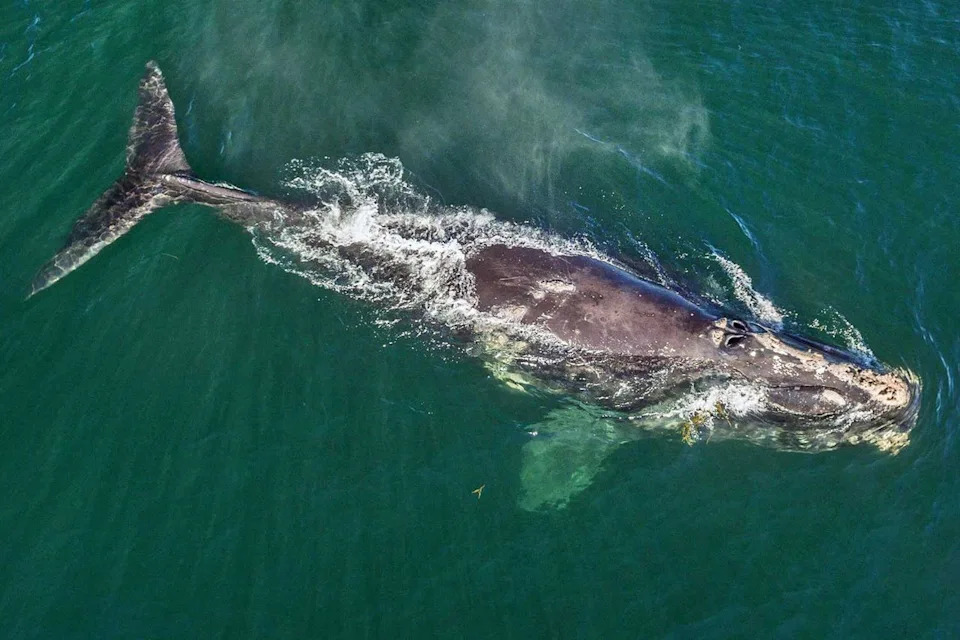
North Atlantic right whale.Credit: Alamy
Population Status And Conservation Support
Federal estimates from NOAA Fisheries place the North Atlantic right whale population at roughly 380 individuals, with approximately 70 females considered reproductively active. The species has been listed as endangered since 1970, and the leading human-caused threats remain entanglement in fishing gear and collisions with vessels.
To support ongoing monitoring and protection work, the Marineland Right Whale Project in Massachusetts launched a GoFundMe campaign led by volunteer drone pilot Zoë Rauscher. The fundraiser surpassed its $15,000 goal and has raised $23,000 to date — funds which organizers say will help researchers, including Associated Scientists at Woods Hole, continue conservation efforts into the 2027 season.
"Calves are particularly vulnerable as they lack the experience and speed of adults to evade approaching vessels," Rauscher wrote on the campaign page.
Looking Ahead
While the season's high calf count provides a rare bright spot, experts stress that survival to adulthood remains uncertain amid ongoing threats. Continued research, protected habitat measures, safer shipping practices and improved fishing gear are essential to translating this year's baby boom into sustained population recovery.
Help us improve.