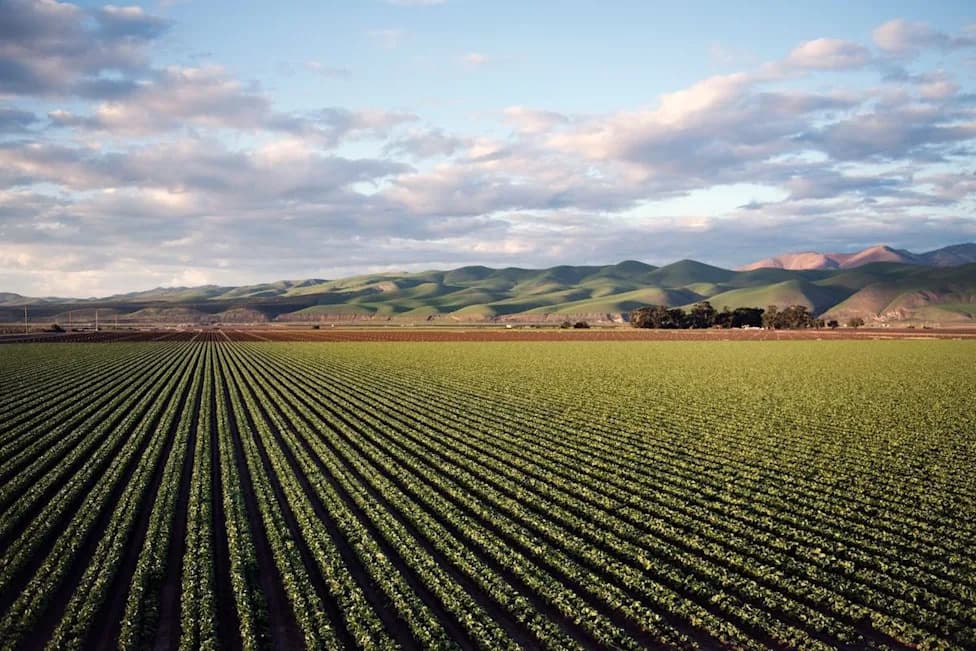
Researchers at Griffith University report that weathered microplastics and nanoplastics can reduce chlorophyll and stunt growth in tomato and wheat plants. Fiber-shaped particles from textiles caused the largest declines, and combinations of micro- and nanoplastics were more harmful than single types. Notably, particles were detected inside tomato leaves, suggesting soil plastics can enter edible tissues and potentially the food chain.
Soil Microplastics Can Enter Tomatoes and Wheat — New Study Warns
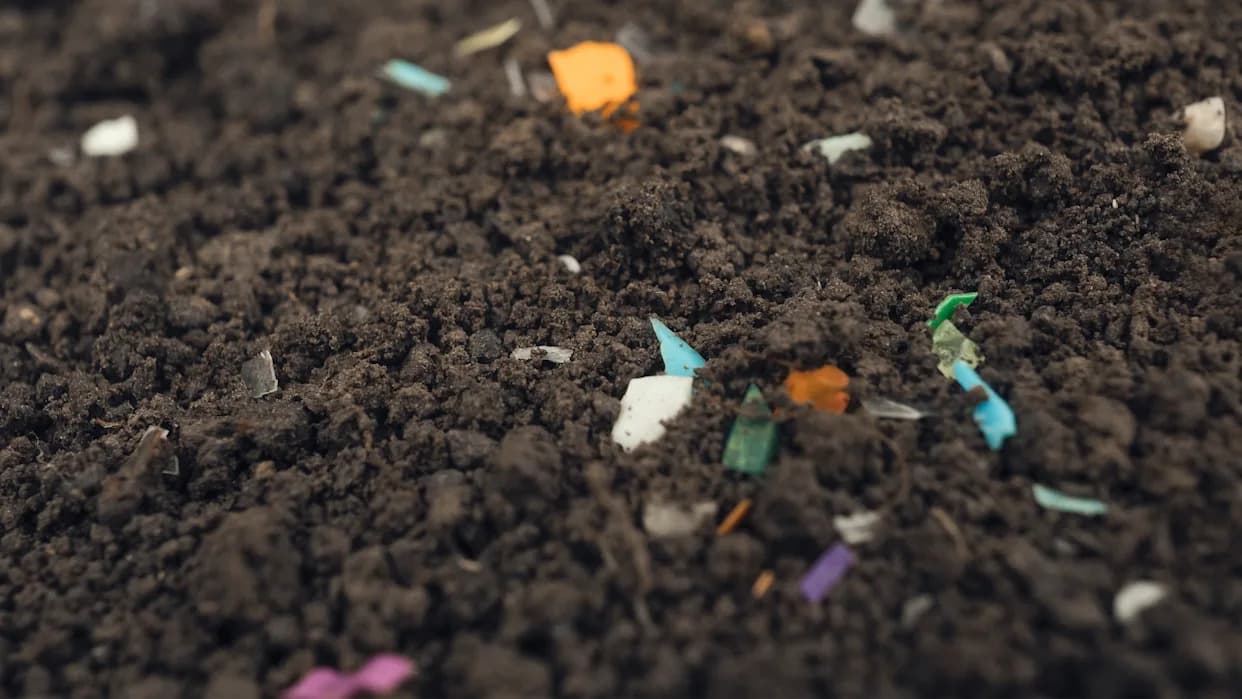
Photo Credit: iStock
Microplastics and nanoplastics commonly found in the environment can impair crop growth and may move from soil into edible plant tissues, new research from Griffith University shows. The study, published in Environmental Science and Pollution Research, examined how realistic, weathered plastic particles affect tomato and wheat plants and found worrying evidence of plant uptake and reduced plant health.
Study Design And Real-World Relevance
The researchers used weathered plastics and particle sizes and shapes representative of those found in agricultural soils rather than pristine laboratory polymers. This approach was intended to mirror realistic exposure scenarios and avoid overstating effects that only occur with artificially prepared particles.
Key Findings
Reduced Plant Health: Exposure to micro- and nanoplastics impaired plant growth and lowered chlorophyll levels, with textile-derived fiber shapes producing the largest declines in chlorophyll content and overall vigor.
Greater Toxicity From Mixed Particles: Mixtures of micro- and nanoplastics showed stronger negative effects than single-particle-type exposures, suggesting combined contamination may amplify harm.
Uptake Into Plant Tissue: Plastic particles were detected inside tomato leaves during the experiment, indicating that agricultural soil can act not only as a sink for plastics but also as a pathway into the food system.
"These findings demonstrate that agricultural soil is not just a sink for plastics but a pathway into the food systems — meaning they could end up on our plates," said study lead Shima Ziajahromi.
Implications
The findings raise questions about food quality and safety and reinforce the need for more research on human health impacts. While scientists are still clarifying how microplastics affect people, growing evidence links them to disrupted gut function, endocrine effects, and other health concerns — though causal links in humans remain under investigation.
Study authors call for regulatory approaches and management strategies informed by realistic exposure scenarios, alongside efforts to reduce plastic inputs to agricultural soils and remediate existing contamination.
Bottom line: The study strengthens the case that plastic pollution can affect not only ecosystems but also agricultural production and potentially the food supply, underscoring the urgency of addressing plastic waste at source and in soils.
Help us improve.