Rainmaker, a drone-based cloud-seeding startup, says its operations have produced enough precipitation to supply nearly 1,800 homes for a year and aims to scale to help the Great Salt Lake, the Colorado River basin and U.S. agriculture. The technique disperses silver iodide into suitable clouds to encourage rain or snow, but experts say results remain variable and hard to verify at large scale. Regulatory hurdles — including state bans or restrictions on weather modification — and environmental questions about effectiveness and impacts must be addressed before wide adoption.
Drone Cloud-Seeding Startup Says It 'Made It Rain' — Claims Enough Water for Nearly 1,800 Homes, Faces Regulatory Pushback

Entrepreneur says he can make it rain in parched states
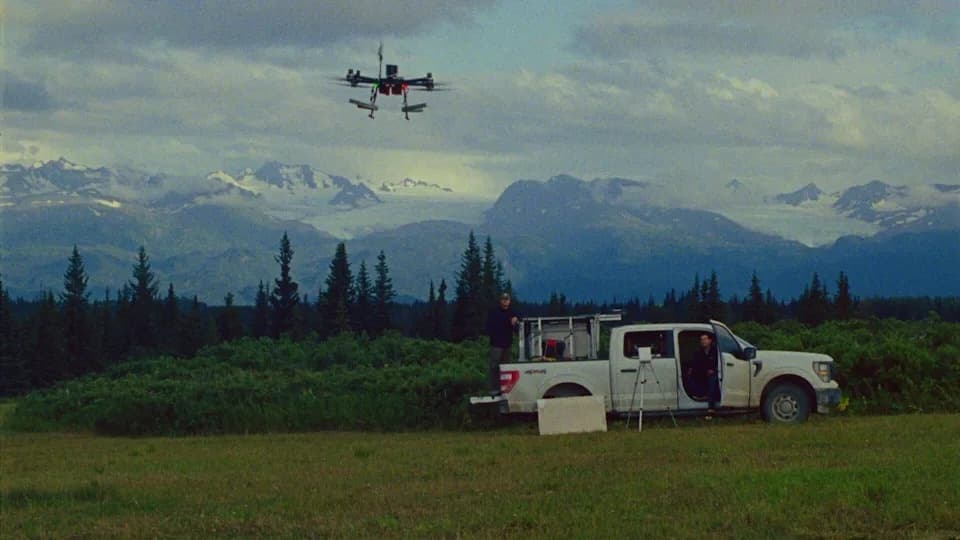
Rainmaker, a cloud-seeding startup, says its fleet of drones has produced modest precipitation for customers in drought-stricken parts of the U.S. West — a volume the company estimates could supply nearly 1,800 homes with water for a year. Founder Augustus Doricko, 26, presented the result as an early milestone while outlining plans to scale the technology to benefit the Great Salt Lake, the Colorado River basin and U.S. farmers.
How Rainmaker’s Approach Works
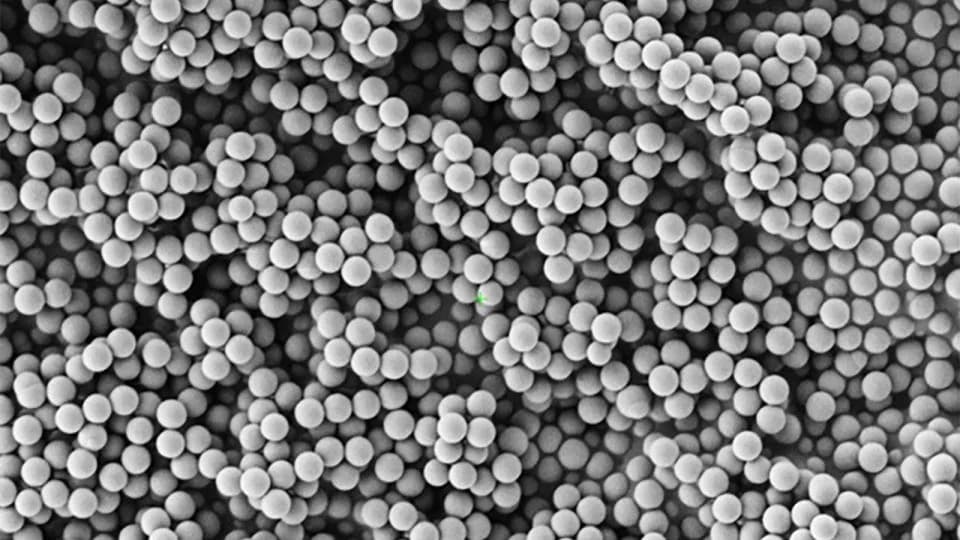
Cloud seeding has been used in various forms for decades. The technique typically involves dispersing silver iodide or similar particles into suitable clouds so that water droplets or ice crystals form around those particles and fall as rain or snow. Rainmaker uses drone-mounted dispersal systems rather than traditional aircraft or ground-based generators.
Company Claims and Goals
Rainmaker credits its drone operations with nudging enough moisture from the atmosphere to equal the annual water use of approximately 1,800 households. Doricko describes the approach as a modern infrastructure tool and has said he envisions "more drones across more mountain ranges making more snowpack" to bolster water supplies.
“Rainmaker has taken the biggest step in water infrastructure since the invention of the aqueduct, with modern cloud seeding,”
Scientific and Regulatory Caveats
Experts emphasize that cloud seeding has not achieved a universally accepted, large-scale breakthrough. Results vary with atmospheric conditions, and independent verification of claimed precipitation gains is often limited. Environmental impacts, such as effects from dispersants like silver iodide, remain a subject of study.
Regulatory and legal questions also complicate expansion. Some states, including Florida, have laws or proposals restricting weather modification, and other state governments are weighing bans or stricter oversight. Rainmaker will likely need to address both scientific scrutiny and regulatory concerns as it seeks to scale operations.
Outlook
Rainmaker positions its drone-based cloud seeding as a potential supplement to traditional water infrastructure. While company results are promising as an initial demonstration, broader adoption will depend on repeatable scientific validation, environmental assessments and state and federal regulatory approval.
“I think that if you’re OK with building a dam to change the flow of a river that God placed on the surface of the Earth, or if you’re OK building a pump to take water out from the ground where God placed it, then we should tap into the vast untapped freshwater reservoir right above our heads.” — Augustus Doricko
As Rainmaker seeks to expand, communities, regulators and scientists will continue weighing the potential benefits against the uncertainties.
Help us improve.