As a ceasefire has allowed gyms and cafes in Tehran to reopen, many Iranians face mounting economic hardship. Inflation has surged to 53.7%, the rial has fallen to around 1.8 million on the black market, and roughly 191,000 people have filed for unemployment. With wages stagnant and basic goods soaring in price, families are delaying medical care and buying second-hand goods while trying to preserve daily normalcy.
Ceasefire Brings Cafes and Gyms Back to Tehran — But Inflation and Job Losses Leave Many Struggling
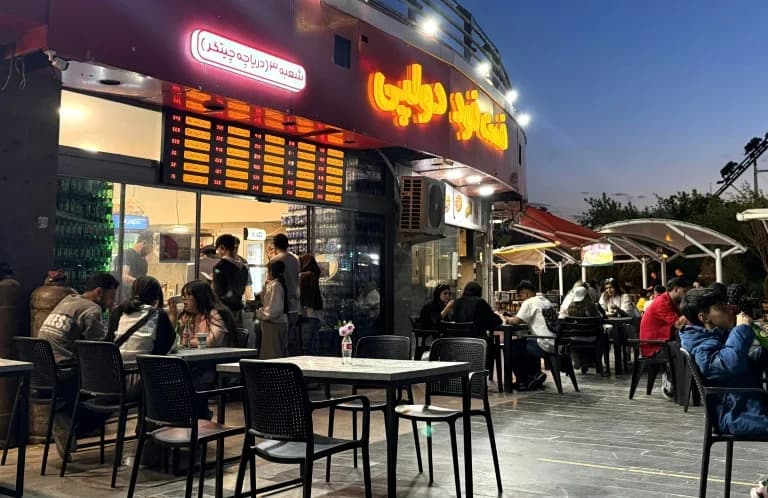
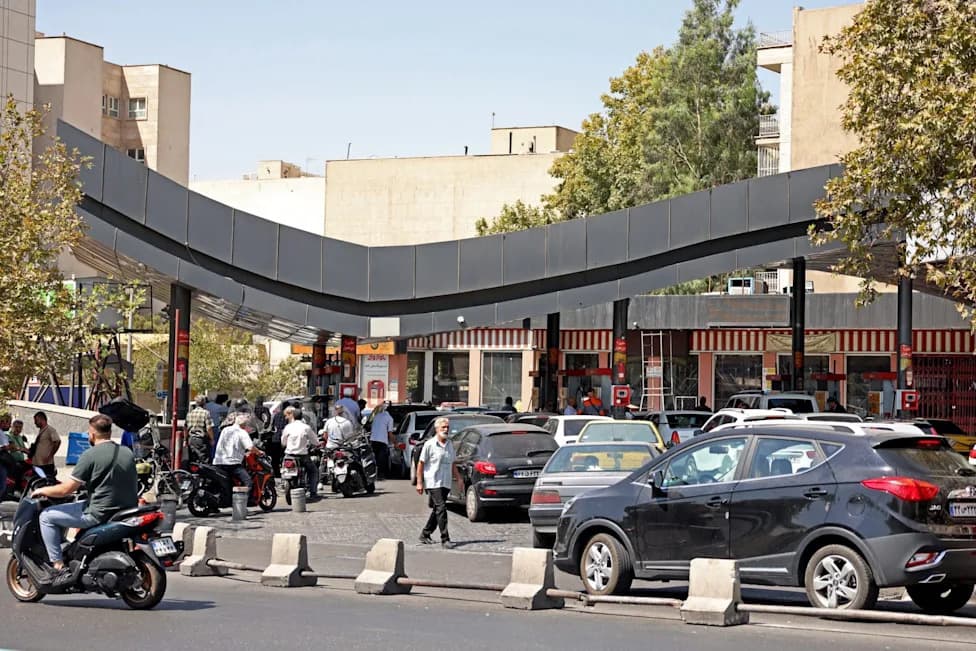
Iranians gather at an eatery in northwestern Tehran. Despite an outward appearance of normality, many are under severe financial strain (ATTA KENARE)(ATTA KENARE/AFP/AFP)
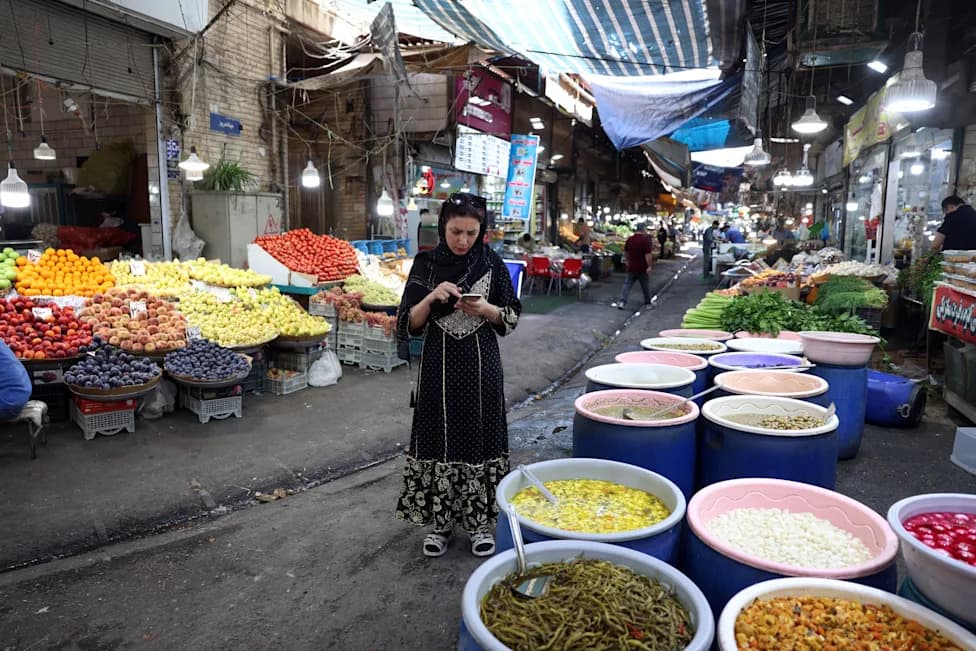
Gyms and cafes have reopened across Tehran as a ceasefire has eased immediate hostilities, yet for many Iranians daily life remains a severe financial challenge. While streets in wealthier northern districts hum with activity, rising prices, falling currency values and widespread job losses are squeezing households across the country.
Everyday Normality, Growing Economic Pain
Fashionable cafes saw crowds on the weekend, but that veneer of normalcy masks deeper economic distress. "For many people, paying rent and even buying food has become difficult, and some have nothing left at all," 28-year-old Mahyar told AFP, adding that his employer laid off 34 staff — nearly 40 percent of the workforce. Salaries have not kept pace with inflation, which the National Statistics Centre reports rose to 53.7% in recent weeks.
"Only those who had real estate, large businesses and significant wealth still have a normal situation," Mahyar said.
Currency, Prices and Wages
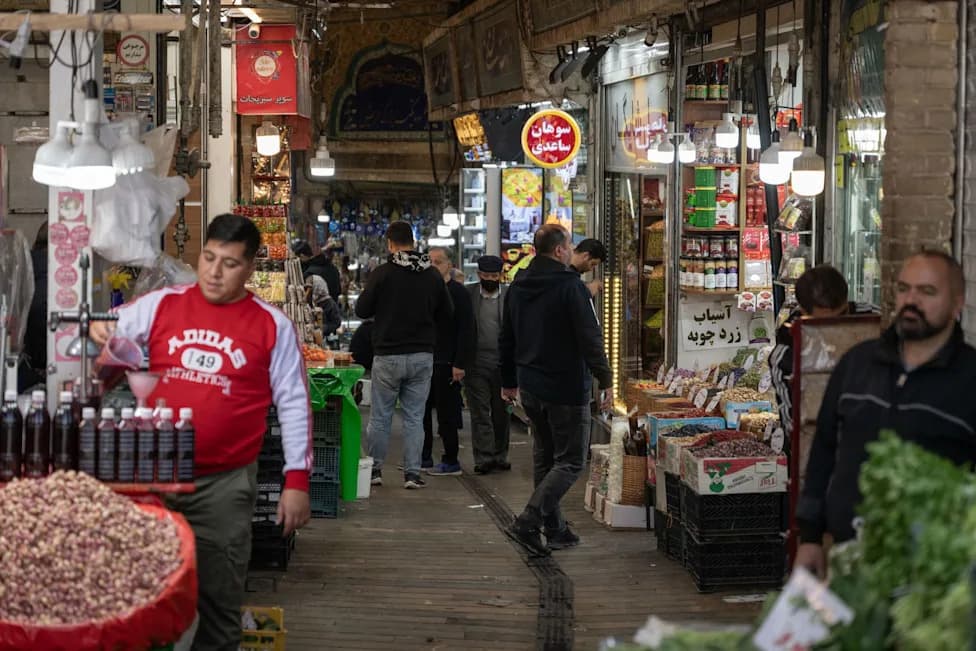
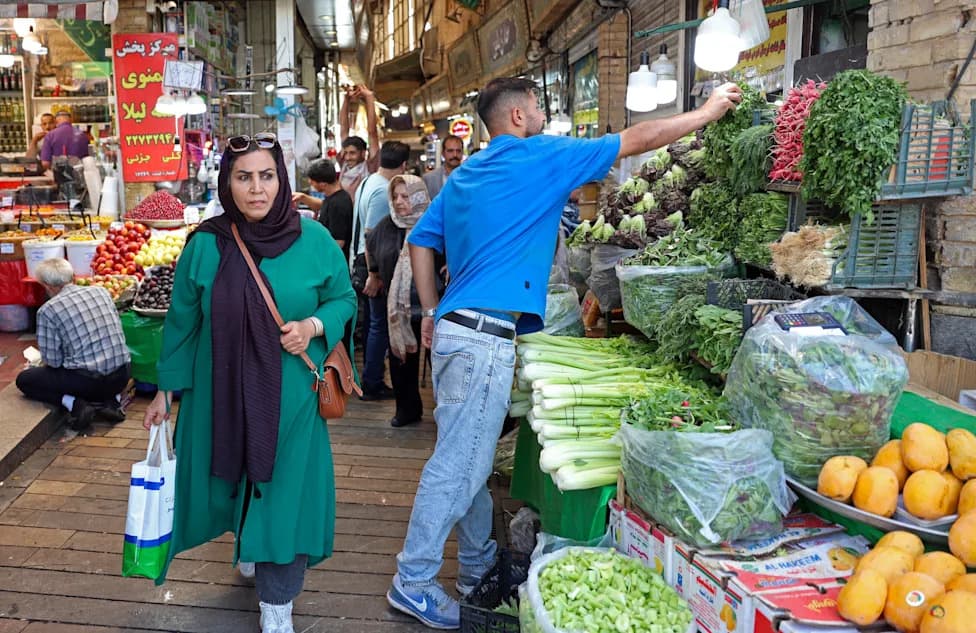
The Iranian rial plunged to record lows on the black market, trading at roughly 1.8 million rials to the dollar, compared with about 1.7 million when the conflict began. The official minimum daily wage is roughly 5.5 million rials (about $3 on the day cited), while basic staples have become far more expensive: cooking oil approaches 4 million rials per litre, eggs about 240,000 each, and meat costs between 7 and 23 million rials per kilogram.
These price rises are forcing households to repair rather than replace goods, buy second-hand items and delay or skip medical care. Fatemeh, a 29-year-old seamstress in Zahedan, said she has postponed dental treatment and cannot afford baby formula for her youngest child because her husband is unemployed.
Job Losses, Blockades and Online Work Disruption
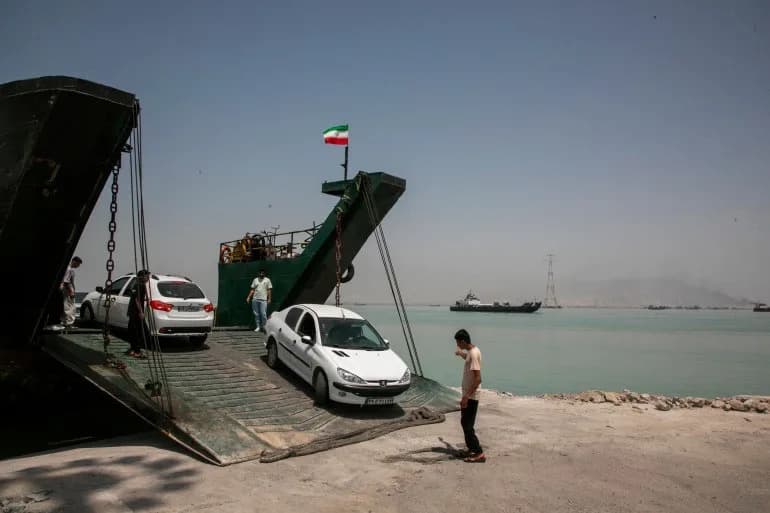
Authorities say about 191,000 people filed for unemployment after losing jobs tied to the fallout from the war. Some industries have been hit directly: Iran banned steel exports after airstrikes damaged plants, while international countermeasures and blockades have disrupted trade. Tehran's restrictions on internet access since the conflict began have also choked online work and services, leaving freelancers and digital businesses without income.
Photographer Shervin describes losing online assignments and missing rent for the first time. Like many, he seeks small comforts — parks, cafes and time with friends — to keep going. "I am trying to see the beauty in life and to keep going despite it all," he said.
Outlook
Although some public spaces are reopening and immediate fighting has paused, the economic effects of sanctions, trade disruptions and rising inflation continue to deepen daily hardship for many Iranians. For now, most people are focused on getting by: finding work, stretching paychecks and seeking small moments of normalcy amid uncertainty.
Help us improve.