Key Takeaway: Iran's GDP fell 10.1% year‑on‑year in the Persian calendar's first quarter as oil and gas output plunged amid a naval blockade and broader economic pressure. Energy activity dropped 26.4%, while GDP excluding oil fell 4.6%. Inflation is near 70%, unemployment has risen, the rial has more than halved in value, and crude loadings collapsed—factors that Tehran links to an end to the conflict and the lifting of financial and maritime restrictions.
Oil and Gas Collapse Cuts Iran’s GDP by 10.1% as War Chokes Exports
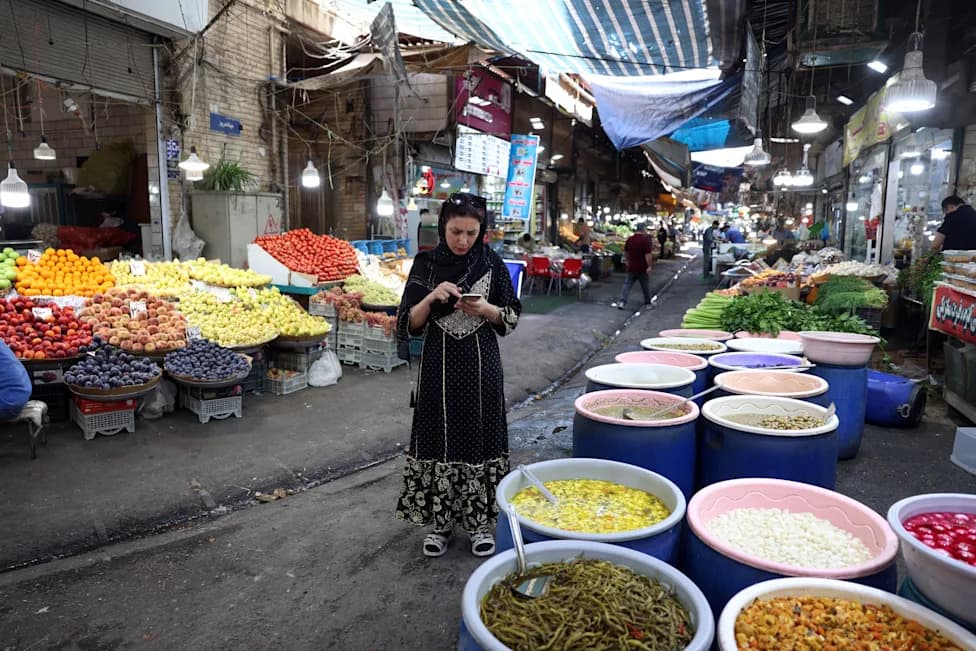
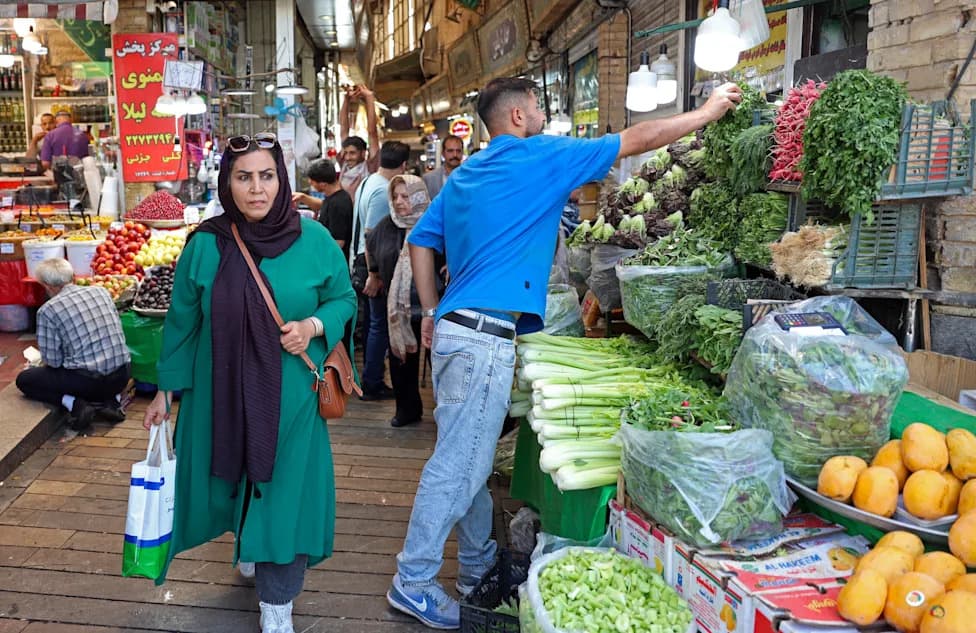
People go shopping in a bazaar in southern Tehran, Iran, September 14, 2026 [Abedin Taherkenareh/EPA]
Iran's economy contracted sharply in the Persian calendar's first quarter as escalating US-Israel pressure and a de facto naval blockade severely curtailed oil and gas exports. Government data from the Statistical Center of Iran show gross domestic product fell 10.1% year‑on‑year between March 21 and June 20.
Major Drivers of the Decline
Energy Sector Hit Hardest
Crude oil and natural gas activity plunged 26.4% compared with the same quarter a year earlier. By contrast, GDP excluding oil fell 4.6%, highlighting how concentrated the shock is in the energy sector.
Broad Economic Impact
Contraction spread beyond energy: industry and mining fell 14.7%, services declined 4.8%, and manufacturing dropped 2.5%. Agriculture was the lone growth sector, up 2.3%.
Prices, Currency and Trade
Iran is facing runaway inflation and a collapsing currency. Twelve‑month average inflation reached 69.9%, while food, beverage and tobacco prices climbed at nearly double that pace. Official unemployment rose to 9.1% in spring.
The rial weakened from roughly 1,000,000 per US dollar a year earlier to more than 2,200,000 by early September.
Exports and Maritime Disruption
Market trackers estimate Iranian crude and condensate loadings fell from about 2 million barrels per day (bpd) in March to roughly 740,000 bpd in July and just 220,000–255,000 bpd in August. TankerTrackers.com reported 29 tankers carrying some 36.11 million barrels were effectively trapped in the Strait of Hormuz, while Vortexa estimated crude afloat fell from 135 million barrels at the end of July to 107 million by late August.
Policy, Pressure and Diplomacy
Officials link the economic squeeze directly to the conflict. President Masoud Pezeshkian said total trade had dropped 25–35%, with imports hit hardest. Tehran has tied economic relief to an end to the war: security chief Mohsen Rezaei said conditions include an end to the naval blockade and release of frozen funds. Meanwhile, a US Treasury official, Scott Bessent, announced a global pressure campaign aimed at Iran's revenues.
Mediators including Qatar and Pakistan have been working to revive negotiations. Iran has signalled willingness to discuss terms through intermediaries even as leaders warn further strikes remain possible.
What This Means
Analysts say the scale of the GDP fall shows the US pressure campaign is doing economic damage, but the strategic test is whether Iran can endure the downturn longer than other actors can tolerate higher energy prices.
As the humanitarian, economic and geopolitical costs mount, Tehran and international mediators face a narrowing window to translate battlefield pauses into meaningful talks that could ease the economic pain.
Help us improve.