Iran's Interior Ministry calls the country's rapid price increases "alarming," saying inflation is causing hardship even as officials insist goods remain plentiful. Spokesman Ali Zeiniwand urged citizens to ignore rumours of shortages and said customs rules were relaxed to help private merchants import goods. Residents report bread prices doubling in a week, with meat and medicines becoming unaffordable or scarce. The report links the economic strain in part to US pressure, including an intensified naval presence and tighter sanctions on key sectors.
Iran Warns of Alarming Price Surge as Citizens Face Soaring Costs
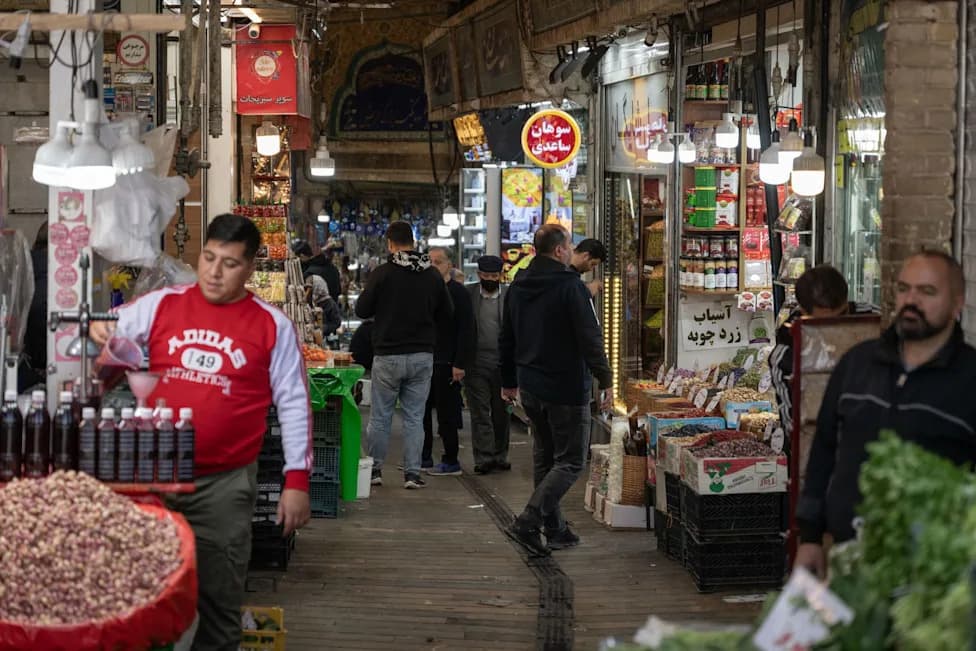
FILE-PHOTO - People go about their daily lives at an open-air market in Tehran. (is associated with: «Iran's Interior Ministry alarmed by price increases») Arne Immanuel Bänsch/dpa
The Iranian Interior Ministry has described the country's rapid price increases as "alarming," saying inflation is inflicting hardship on many households, a ministry spokesman told the news website Hammihan on Saturday.
Spokesman Ali Zeiniwand said that, despite the sharp price rises, there is currently an abundance of goods across Iran. He urged citizens to dismiss reports of supply shortages, calling such rumours "hostile propaganda," and said Tehran has instructed customs officials to relax import rules to allow private traders with their own storage facilities to bring in goods more easily.
"There is currently an abundance of goods," Zeiniwand was quoted as saying, while asking Iranians to ignore claims of impending shortages.
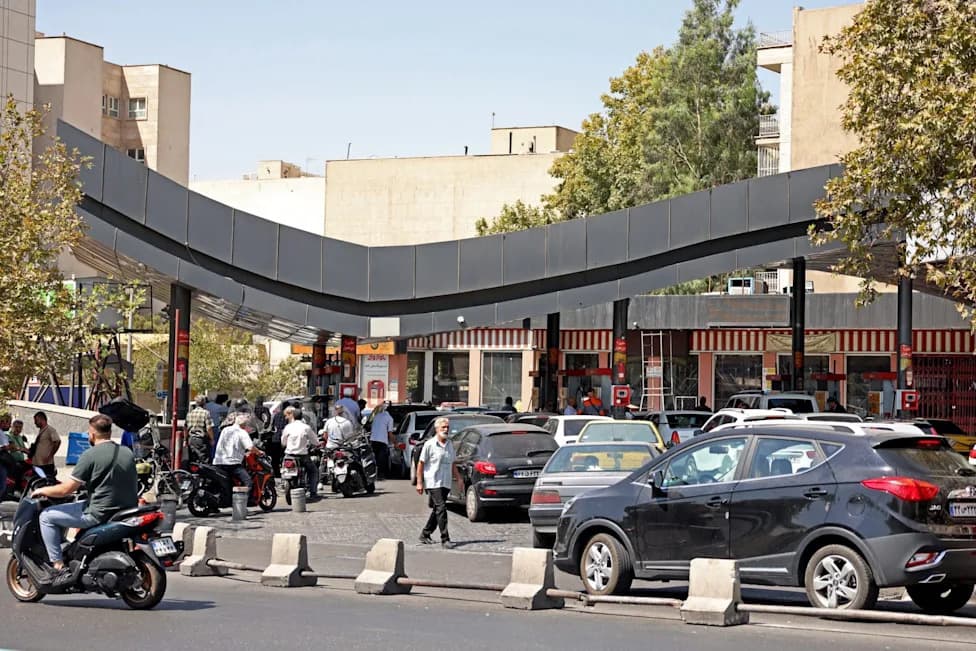
Residents speaking to dpa reported dramatic increases in everyday costs. They said the price of bread doubled within a single week, meat and other staple foods have become unaffordable for many families, and medicines are running short.
External Pressure and Economic Impact
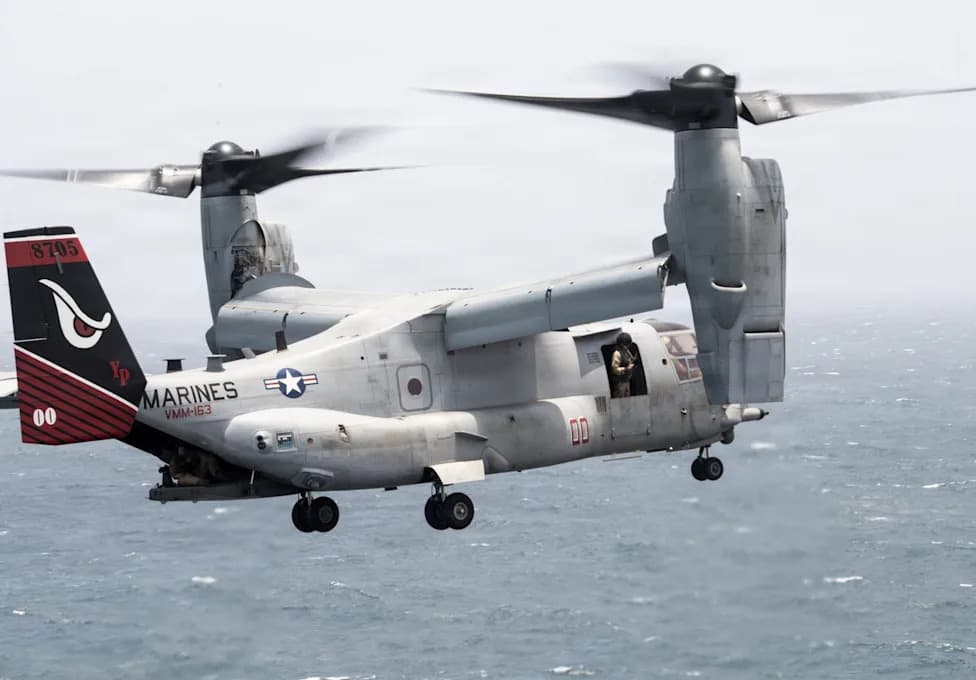
The report links some of the economic strain to sustained pressure from the United States. It says Washington is maintaining a naval presence that targets vessels entering or leaving Iranian ports, oil terminals or coastal areas, and that the US aims to halt Iran's oil exports, press Tehran to reopen the Strait of Hormuz and extract concessions in the nuclear dispute.
In addition, tighter US economic sanctions are affecting foreign banks and companies operating in key Iranian sectors, including finance, oil, shipping and aviation, as well as businesses dealing in gold, technology and cryptocurrencies. These measures are being cited as factors exacerbating inflationary pressures and complicating imports.
What Officials Are Doing
To ease supply frictions, Tehran has told customs authorities to permit private merchants with storage facilities to import goods more freely. Officials present this step as a practical measure to stabilise markets while disputing reports of shortages.
Despite government reassurances, residents and analysts warn that sustained price hikes and shortages of essentials could deepen public hardship unless broader economic pressures are addressed.
Help us improve.