A Kampala court sentenced Christopher Okello Onyum to death on April 30 for a April 2 attack at a nursery that killed four toddlers aged two and three. Investigators found device searches including "schools near me" and "ISIS beheading," which the judge said showed preparation. The defense argued Onyum was mentally ill and had been hospitalized, but the judge rejected the insanity claim, calling the assault deliberate. Uganda still retains the death penalty, though executions have not been carried out for about 20 years.
Uganda Sentences Man To Death After Nursery School Stabbings That Killed Four Toddlers
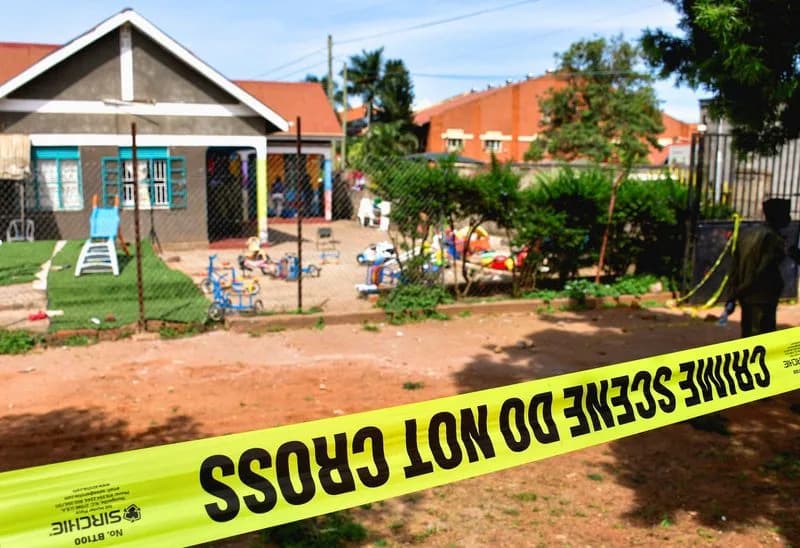
Police tape at the scene after a man posing as a parent stabbed and killed children at a school in Kampala, Uganda, April 2, 2026. REUTERS/Abubaker Lubowa
A Kampala court on April 30 sentenced 39-year-old Christopher Okello Onyum to death for an attack at a nursery school on April 2 that left four toddlers dead and sparked national outrage over child safety.
Prosecutors told the court that Onyum stabbed four children, all aged two or three, before a school guard managed to subdue him. Witnesses said angry parents tried to lynch him at the scene before police took him into custody.
Judge Alice Komuhangi Khaukha said investigators had found internet searches on the defendant's phone and laptop that included the phrases "schools near me" and "ISIS beheading," and stated that those searches indicated preparation for the assault.
"I have no doubt in my mind that the search for 'ISIS beheading' prepared the accused person to launch this fatal attack," Judge Khaukha said while delivering the sentence. She also rejected the defense's claim that Onyum was legally insane, noting the attack appeared planned despite lasting less than seven minutes.
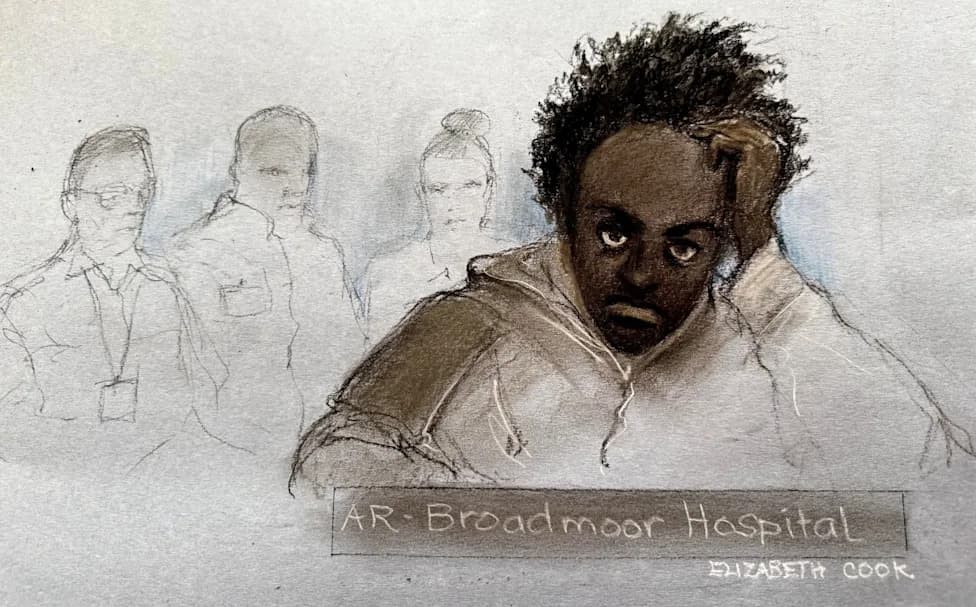
Onyum pleaded not guilty to murder. His lawyers argued he had long suffered mental illness and had previously been committed to a psychiatric hospital; they also pointed to behavior in the dock — including episodes of laughter — as evidence of instability. The judge, however, concluded the evidence showed deliberate planning.
Uganda retains capital punishment for serious crimes such as murder, although the last execution took place roughly two decades ago. The case has renewed public debate about school safety, mental health services and online radicalization in the country.
Help us improve.