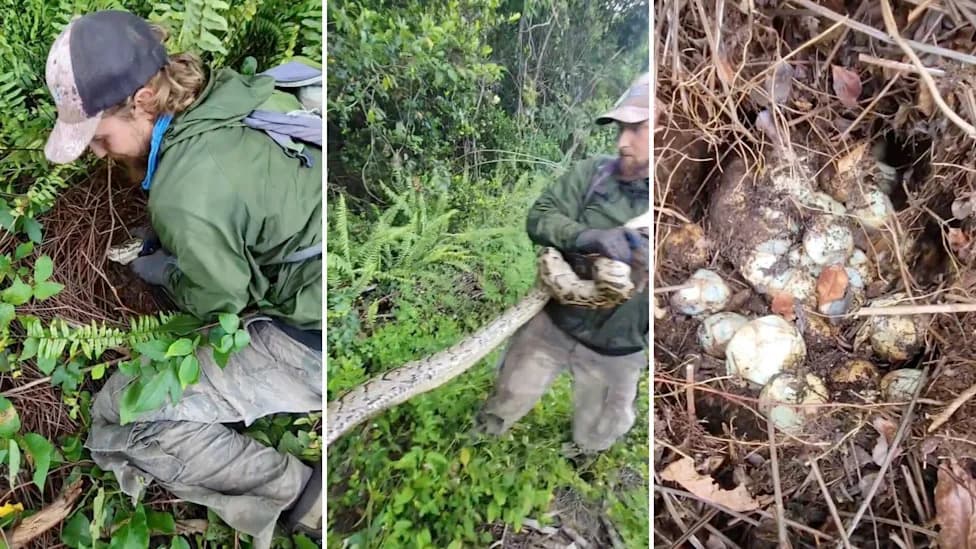
Scientists in the Everglades are outfitting opossums — and some raccoons — with GPS collars so teams can follow the signal if a Burmese python swallows the collared animal. The method helps locate and remove invasive pythons that have established breeding populations in southern Florida since the 1970s. The snakes have caused severe declines in native mammals, and researchers hope to track nearly 40 opossums by the end of the summer to aid removal efforts.
GPS-Collared Opossums Are Helping Scientists Locate and Remove Invasive Burmese Pythons in the Everglades
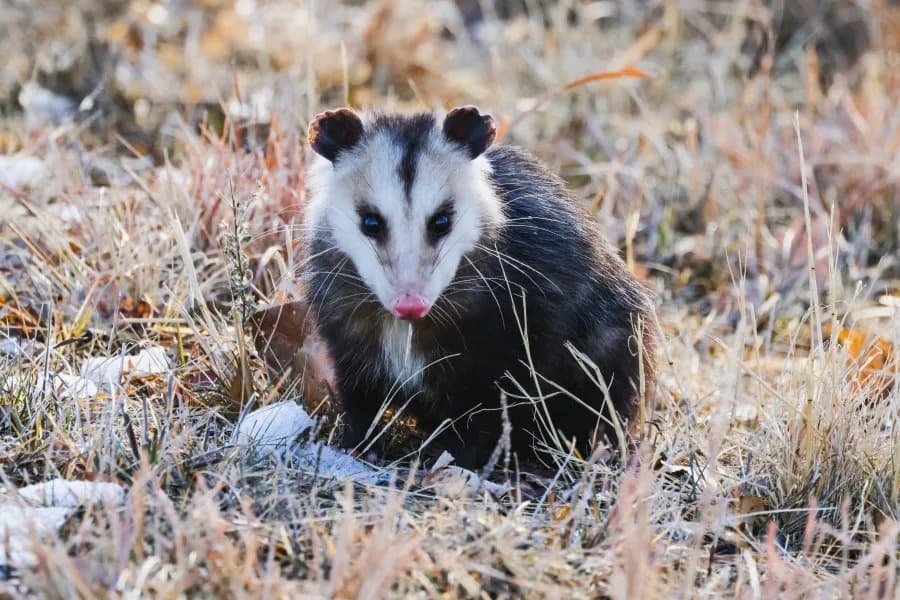
Researchers in the Everglades are turning a predator–prey relationship into a conservation tool by fitting opossums — and in some cases raccoons — with GPS collars that can lead teams to Burmese pythons after the snakes swallow the collared animals.
In the field, scientists monitor the collars' signals and follow them to locate pythons that have ingested the tracked animals. Once a snake is found, wildlife teams can remove it, helping to reduce the invasive population that has devastated native mammals.
Why This Matters
Burmese pythons were introduced to Florida through the exotic pet trade beginning in the 1970s and have since established a breeding population in southern Florida. According to the Conservancy of Southwest Florida, the snakes have contributed to dramatic declines in several native species: raccoon numbers have dropped by about 99%, opossums by roughly 98% and bobcats by approximately 88%.
“We need everything that we can find to remove as many pythons as possible,” said scientist Michael Cove, describing the urgency of removal efforts.
Crocodile Lake National Wildlife Refuge manager Jeremy Dixon emphasized that the research does not put animals at increased risk: “We’re not putting these animals out there and in harm’s way. Harm’s way is there. We’re just documenting what’s happening.”
The research team aims to have nearly 40 opossums tracked by the end of the summer to increase the chances of locating and removing more pythons. The project is part of broader efforts to manage invasive species and protect the Everglades' native wildlife.
Copyright 2026 Nexstar Media, Inc. All rights reserved.
Help us improve.