France has published a consolidated roadmap that aims to phase out coal by 2030, oil by 2045 and gas by 2050, assembling existing climate and energy policies under a single timetable. The plan formalises a target to cut emissions by 5% annually from 2024–2028 on the path to carbon neutrality by 2050, while acknowledging recent slowdowns in emissions reductions. Unveiled at the Santa Marta conference — held outside the UN process and attended by nearly 60 countries — the roadmap is notable for setting explicit end dates across the whole economy.
France Unveils 'First‑Of‑Its‑Kind' Roadmap To Phase Out Coal, Oil And Gas By 2050
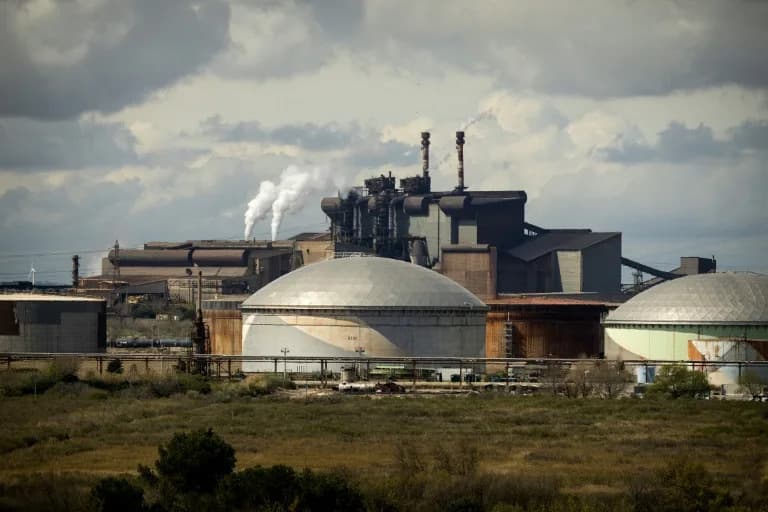
France generates a small fraction of its electricity from fossil fuels due to its extensive nuclear power capabilities. (CLEMENT MAHOUDEAU)(CLEMENT MAHOUDEAU/AFP/AFP)
France on Tuesday published a comprehensive roadmap that sets explicit deadlines to end domestic use of fossil fuels: coal by 2030, oil by 2045 and gas by 2050. The document gathers existing climate and energy measures into a single, economy‑wide timetable and was released as nearly 60 countries met in Santa Marta, Colombia, for the inaugural international talks focused specifically on moving away from fossil fuels.
What The Roadmap Covers
The roadmap does not introduce new legal commitments but formalises Paris's current targets and policies under one clear timeline. It covers:
- Phase‑out deadlines for fossil fuels in energy use: coal (2030), oil (2045), gas (2050).
- A commitment to phase out fossil‑fuel production and accelerate electrification across heating, transport and industry.
- Support for international financing to help other countries transition away from hydrocarbons.
- Existing emission reduction targets, including a goal to cut greenhouse‑gas emissions by 5% per year over 2024–2028 on the path to carbon neutrality by 2050.
Context And Reaction
Analysts at Santa Marta described the French plan as notable for setting explicit end dates across the whole economy, a contrast with many national "net zero" pledges that focus on balancing emissions rather than ending fuel use. Leo Roberts of the E3G think tank said the roadmap "sets out a pathway for a country to transition the whole economy away from fossil fuels."
"That's quite original, because we are probably one of the rarest countries who have a clear deadline for all fossil fuel energy," France's envoy Benoit Faraco told reporters.
France already relies relatively little on hydrocarbons for electricity thanks to a large nuclear fleet, but the roadmap extends far beyond power generation to include production, transport and heating. Officials acknowledged that emissions reductions slowed for a second straight year in 2025 and that current performance remains below what is needed to meet France's climate goals.
Why Santa Marta?
The Santa Marta talks were convened outside the UN framework after a proposal for a global fossil‑fuel roadmap was blocked at COP30. Brazil — which led the COP30 negotiations — moved toward a voluntary process, inviting willing countries to publish their own roadmaps. The Santa Marta event is co‑hosted by Colombia and the Netherlands and brings together governments from the EU, major producers such as Canada and Norway, developing oil exporters like Angola and Nigeria, and small island states including Tuvalu.
Energy Security Backdrop
The conference takes place amid rising fuel prices and a global supply crunch tied to the Iran war, which has put energy security high on the agenda. Attending nations are expected to share proposals and voluntary plans rather than make binding commitments, signalling a practical, peer‑to‑peer approach to accelerating the global transition away from fossil fuels.
Help us improve.