The war has deepened an already fragile Iranian economy, damaging thousands of firms and triggering widespread layoffs across petrochemical, steel, textile and services sectors. Official and media accounts point to roughly 1 million direct job losses and another 1 million from spillover effects, while the UNDP warns up to 4.1 million more could fall into poverty. Internet outages and halted international work have hit freelancers and women working from home especially hard. Analysts urge rapid government support—tax relief, low-cost loans and targeted aid—to prevent a larger, prolonged crisis.
War Deepens Iran’s Economic Crisis: Millions Face Job Losses and Rising Poverty
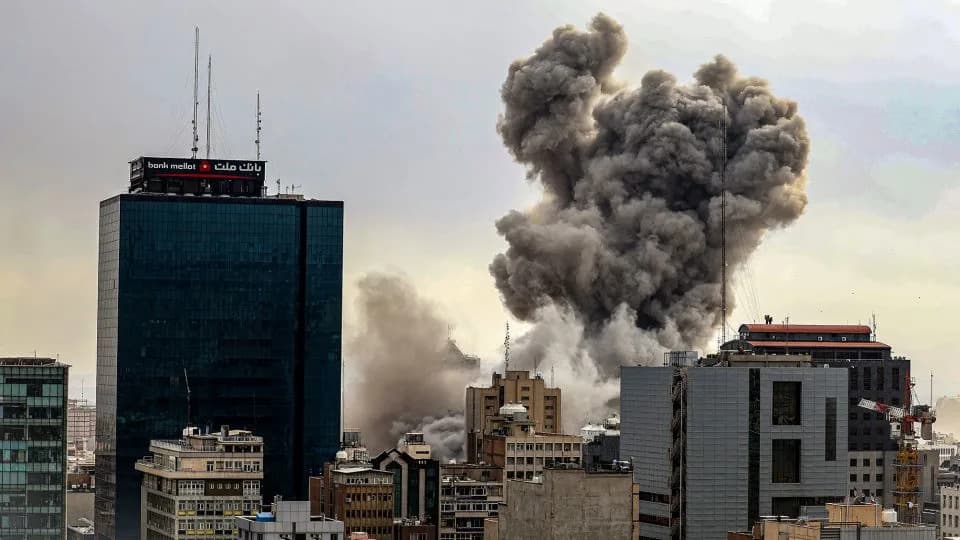
A cloud of smoke rises above a business district in Tehran after an airstrike on March 2. - Getty Images
Asal, a freelance designer in her 30s who lives in Tehran, says international projects that once kept her afloat have vanished. After nearly two months without reliable internet, she told CNN by phone: “No new projects, no replies. It’s like everything just stopped overnight.” On the verge of tears, she said her earnings no longer cover her basic expenses. Several people who spoke with reporters agreed to be identified only by their first names for privacy.
Widespread Job Losses and Factory Damage
Few sectors have been spared by the escalating conflict. Media and government reports indicate that more than 23,000 factories and firms have been hit, and that physical damage from airstrikes and supply-chain disruption has directly cost roughly 1 million jobs, with an estimated additional 1 million lost through spillover effects.
“Many firms have suspended operations under the combined pressure of war, inflation, recession, and collapsing demand,” said Hadi Kahalzadeh of the Quincy Institute.
Key Sectors Hit
Targets have included petrochemical complexes, major steelworks and textile manufacturers. Trailer-maker Maral Sanat reportedly laid off 1,500 employees due to steel shortages, while textile firm Borujerd dismissed about 700 workers. Thousands of petrochemical workers were placed on unpaid leave after strikes on complexes, and many dairy plants have suspended operations because of packaging shortages.
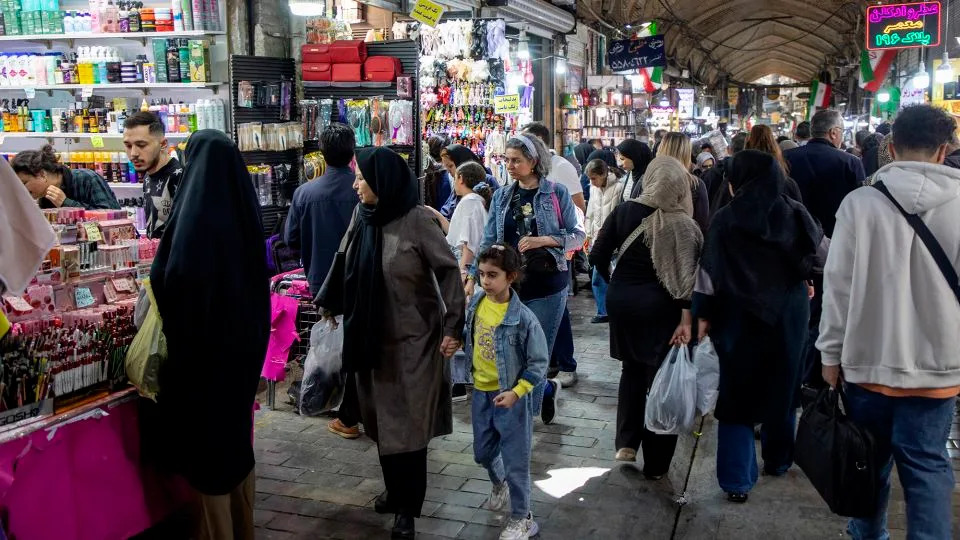
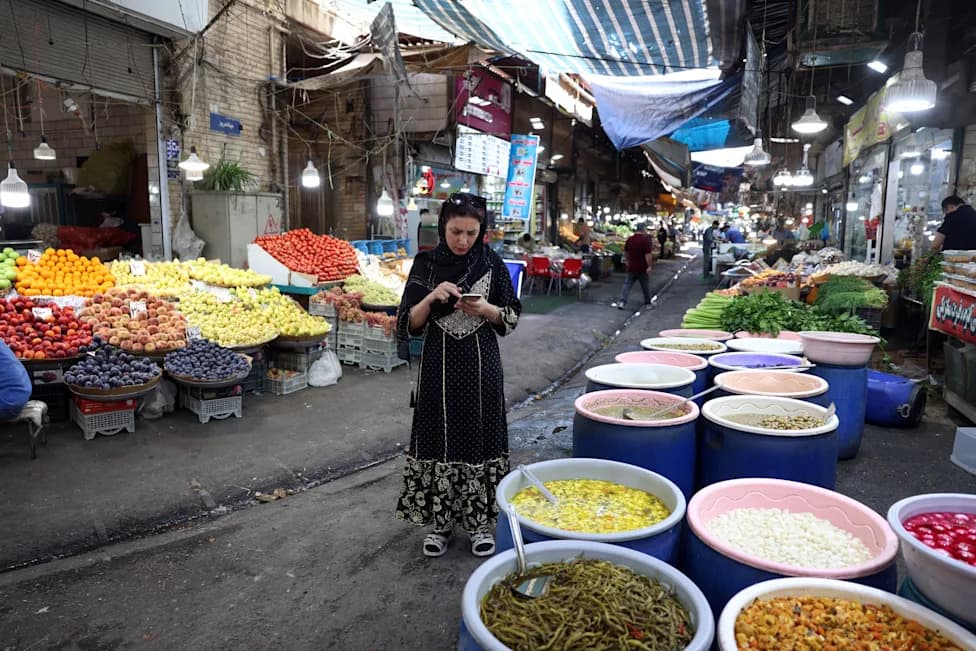
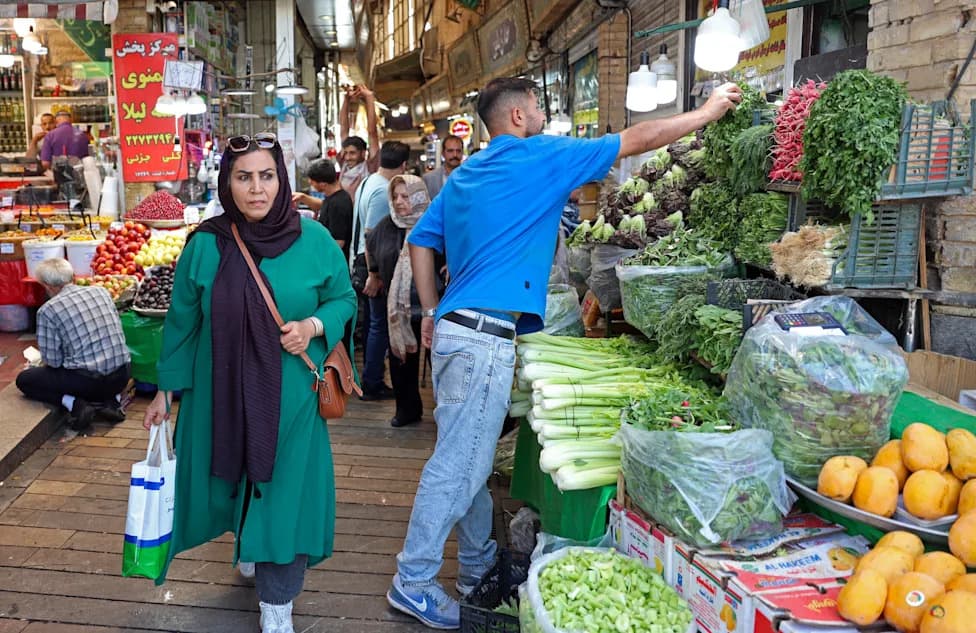
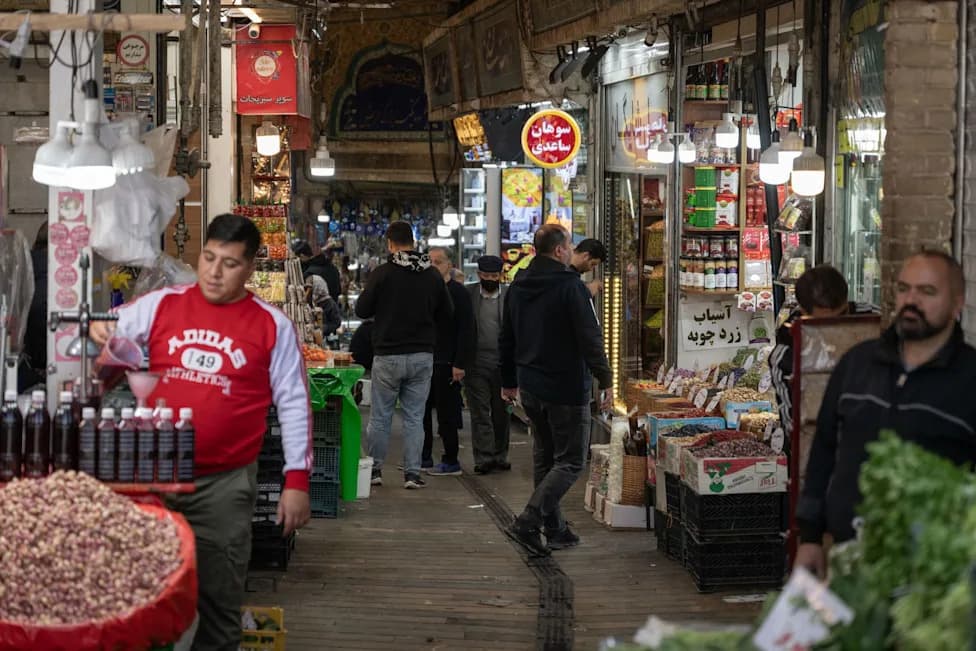
People browse stalls at the Tehran Grand Bazaar after prices rises due to inflation caused by the conflict, on April 16. - Majid Saeedi/Getty Images
Rising Inflation and Shrinking Incomes
Iran’s economy was already fragile before the latest escalation. National income per person fell from about $8,000 in 2012 to roughly $5,000 in 2024, weakened by inflation, sanctions and structural issues. Official data show the annual inflation rate reached 72% in March, with essentials rising even faster, straining household budgets across the country.
Surge In Unemployment Claims And Disproportionate Impact
Official figures show a sudden spike in unemployment insurance applications: 147,000 claims in the past two months—about three times the rate from the same period last year. Analysts warn the burden falls most heavily on informal workers and low- and middle-skilled formal workers who have the least protection.
The internet outages have amplified hardship for freelancers and remote workers, particularly women. Teachers, designers, translators and other online professionals have lost international clients or been forced onto unreliable domestic platforms. Women have filed about one-third of all unemployment insurance claims since the conflict intensified.

A NetBlocks graphic illustrates internet connectivity shutdowns in Iran on a smartphone screen on March 8. - Jonathan Raa/NurPhoto/Getty Images
Voices From The Ground
Soheila, a senior flight attendant, told independent news site Fararu that flights were canceled and contracts ended, leaving crews unpaid until operations resume. Jafar, a data analyst, said his company shut down entirely, leaving more than 50 colleagues jobless and pushing him to consider ride-hailing work to cover rent and debts.
Calls For Rapid Government Action
Businesses and analysts urge swift policy measures—tax and insurance deferrals, low-interest loans and targeted aid for small and medium firms—to prevent deeper, longer-term unemployment. The Tehran Chamber of Commerce has called for job preservation to become the top economic priority. The government attributes the hardship to what it calls an unjust war imposed by the US and Israel and reportedly plans to expand monthly vouchers for the poorest households.
Observers warn that without decisive economic relief and stabilization, the combination of physical damage, collapsing demand and record inflation could push millions more into poverty and prolong social and economic instability across Iran.
Sources and Attribution
Reporting for this piece draws on interviews with affected workers and professionals, statements from Iranian officials, data from the United Nations Development Programme (UNDP), and reporting by local outlets including EcoIran, Etemad Online and Fararu.
Help us improve.