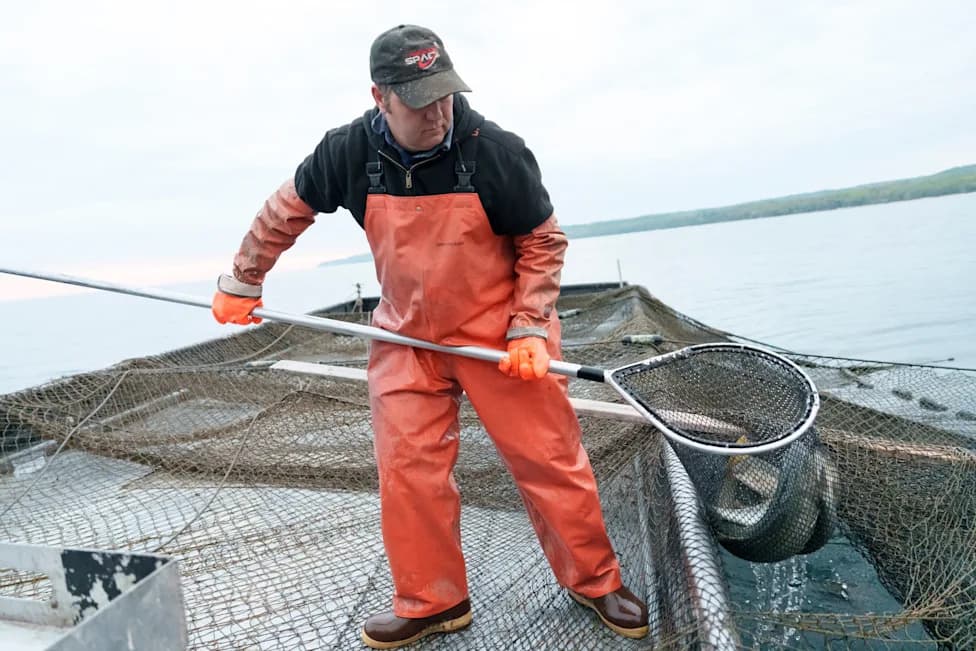
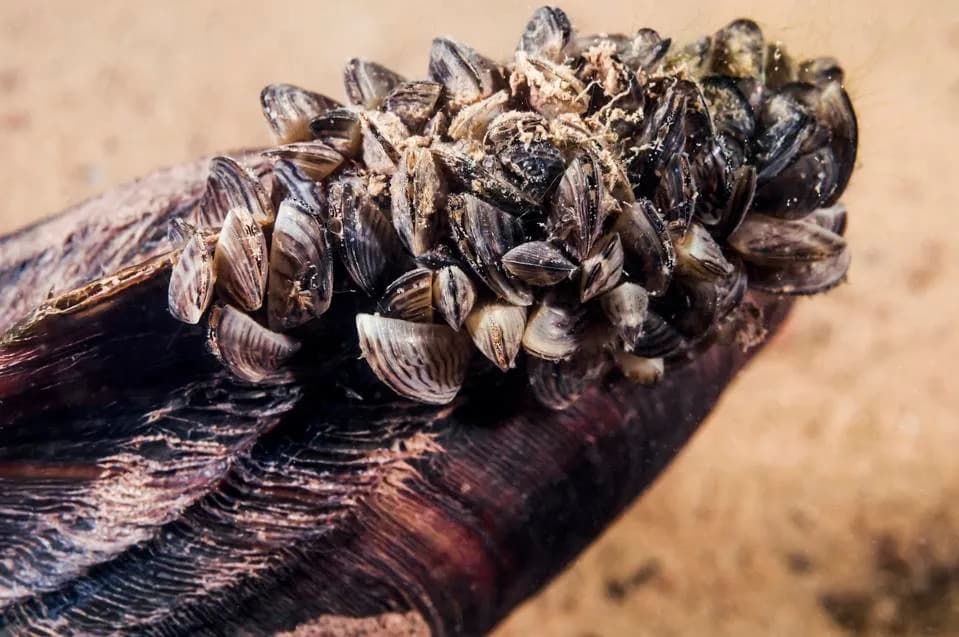
The United States is accelerating efforts to stop invasive Asian carp from overrunning rivers and the Great Lakes. These carp can exceed 100 pounds and leap up to 10 feet, posing threats to boaters and native ecosystems. In May, the White House pledged $274 million to the Brandon Road Interbasin Project— a joint effort with the U.S. Army Corps of Engineers and the states of Illinois and Michigan—to deploy layered technological deterrents. Local hunters say only commercial-scale removal and coordinated federal-state action will meaningfully reduce populations.
White House Pledges $274M to Stop Invasive Asian Carp as Fish Overrun Rivers and Threaten Great Lakes
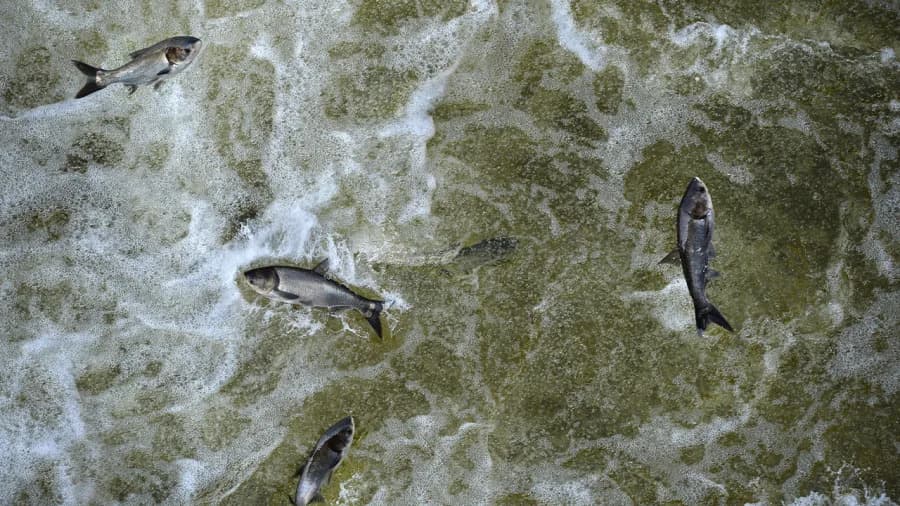
The fight against invasive carp taking over US waterways
Invasive Asian carp are spreading through U.S. waterways, crowding out native species, damaging commercial and recreational fisheries, and posing a physical danger to boaters. These powerful fish can exceed 100 pounds and are known to leap as high as 10 feet, sometimes striking people and causing injuries.
Why This Is Urgent
The carp were introduced to the United States in the 1970s to help control algae at wastewater treatment plants and private ponds, but they have since escaped and spread throughout the Mississippi River system. Their growing presence now threatens the ecological balance of the Great Lakes and the livelihoods of anglers and fishing communities.
Federal Investment and the Brandon Road Project
In May, the White House issued a presidential memorandum announcing a $274 million contribution toward the Brandon Road Interbasin Project. According to the administration, the funding will support multiple layers of technological deterrents designed to prevent invasive carp from entering the Great Lakes. The project is a joint effort involving the U.S. Army Corps of Engineers and the states of Illinois and Michigan.
On-the-Water Responses and Limits
Local operators and anglers are already trying to reduce carp numbers. Capt. Nate Wallick, who runs Peoria Carp Hunters, uses a custom boat and bows to remove carp from the water during guided outings. While such efforts remove fish and raise awareness, Wallick and others say small-scale removal isn’t enough to stop the invasion.
I take clients out in that custom boat and we shoot these fish out of the air with bows and arrows. I could say we were knocking down the population, but a couple hundred pounds each time isn’t doing it.
Challenges Ahead
Experts and stakeholders point to practical limits: poisoning waterways is not an option, and closing the Chicago-area canals would have severe economic impacts because they carry substantial commercial traffic. That leaves large-scale commercial fishing, improved barriers and deterrents, and coordinated federal-state action as the most viable tools for controlling carp populations.
What’s next: The Brandon Road project aims to combine physical and technological barriers with monitoring and rapid response to keep carp out of the Great Lakes. Continued funding, interagency coordination, and support for commercial removal efforts will shape whether the initiative succeeds.
For ongoing updates and analysis, follow local and federal agency releases as the project moves from planning into implementation.
Help us improve.