The Trump administration announced sanctions on a China-based refinery and about 40 shipping firms accused of transporting Iranian crude, part of a campaign to curtail Tehran’s oil revenue. Hengli Petrochemical’s Dalian refinery, with a roughly 400,000-barrel-a-day capacity, was singled out for allegedly generating hundreds of millions of dollars for Iran’s military. Treasury warned banks in China, Hong Kong, the UAE and Oman about potential secondary sanctions and said it will continue targeting the network that moves Iranian oil. The move comes amid a U.S. blockade of the Strait of Hormuz and rising energy market volatility.
U.S. Imposes Sanctions on Hengli Refinery and About 40 Shipping Firms Over Iranian Oil
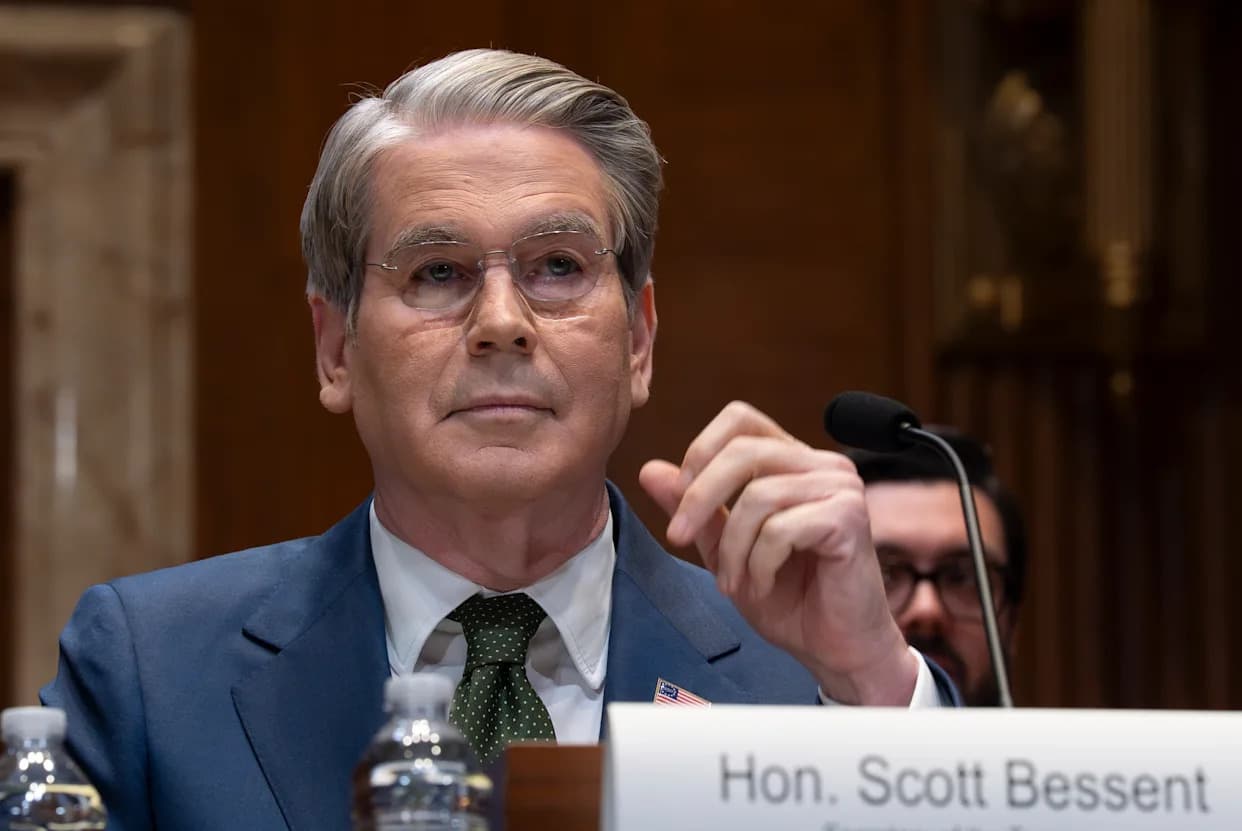
Treasury Secretary Scott Bessent testifies on his agency's proposed budget estimates for fiscal year 2027 at a Senate Appropriation subcommittee, at the Capitol in Washington, Wednesday, April 22, 2026. (AP Photo/J. Scott Applewhite)(ASSOCIATED PRESS)
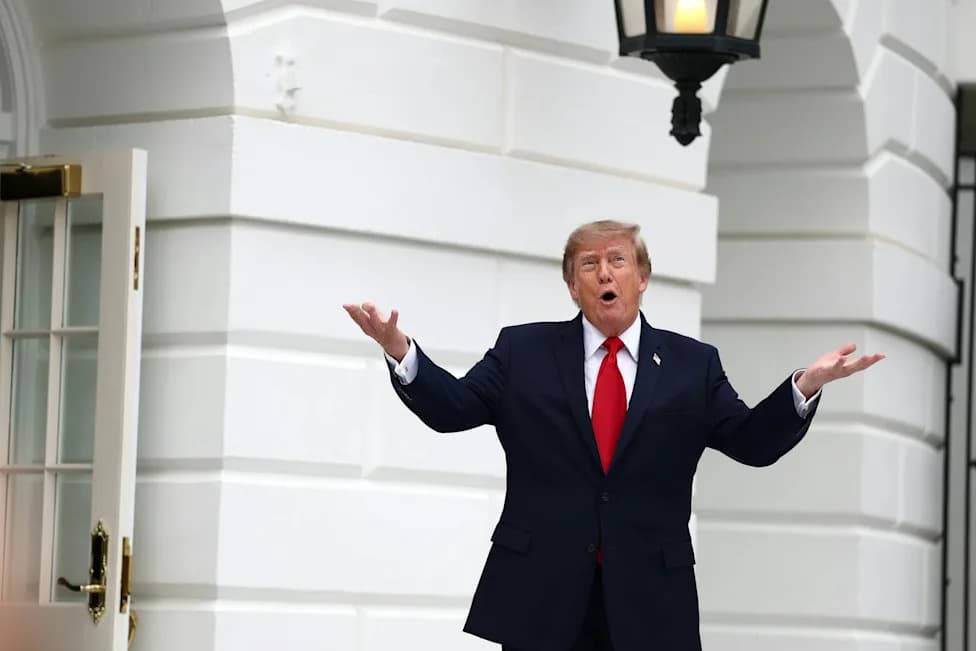
WASHINGTON — The Trump administration on Friday announced a package of economic sanctions targeting a major China-based oil refinery and roughly 40 shipping companies and tankers accused of transporting Iranian crude to global markets.
The action fulfills President Donald Trump’s pledge to apply secondary sanctions to companies and countries that maintain commercial ties with Iran and is part of a broader Republican effort to choke off Tehran’s primary source of revenue: oil exports.
Designated Entities
Among those named in the Treasury Department’s action is Hengli Petrochemical’s refinery in Dalian. The facility has a processing capacity of about 400,000 barrels per day, making it one of China’s largest independent refineries. Treasury says Hengli received Iranian crude beginning in 2023 and that the purchases produced “hundreds of millions of dollars” in revenue that benefitted elements of Iran’s military.
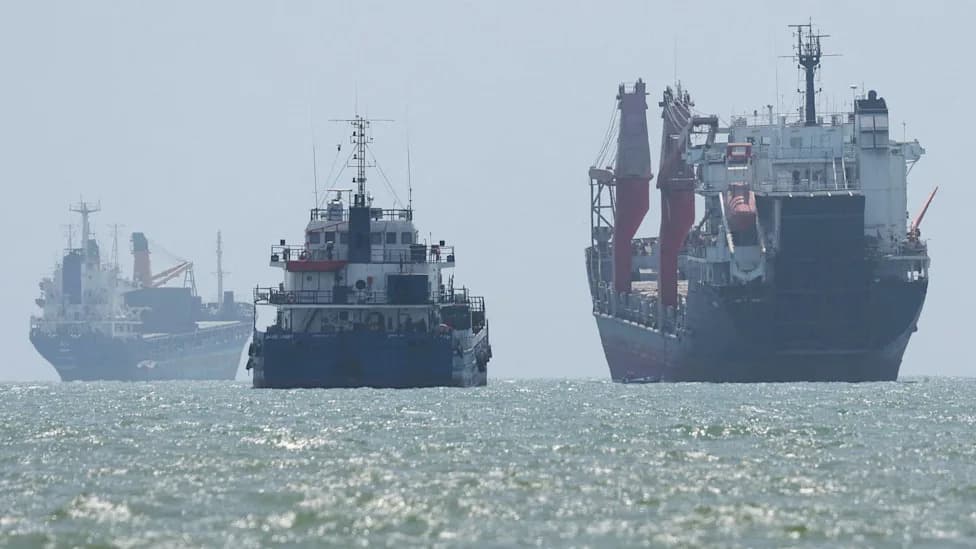
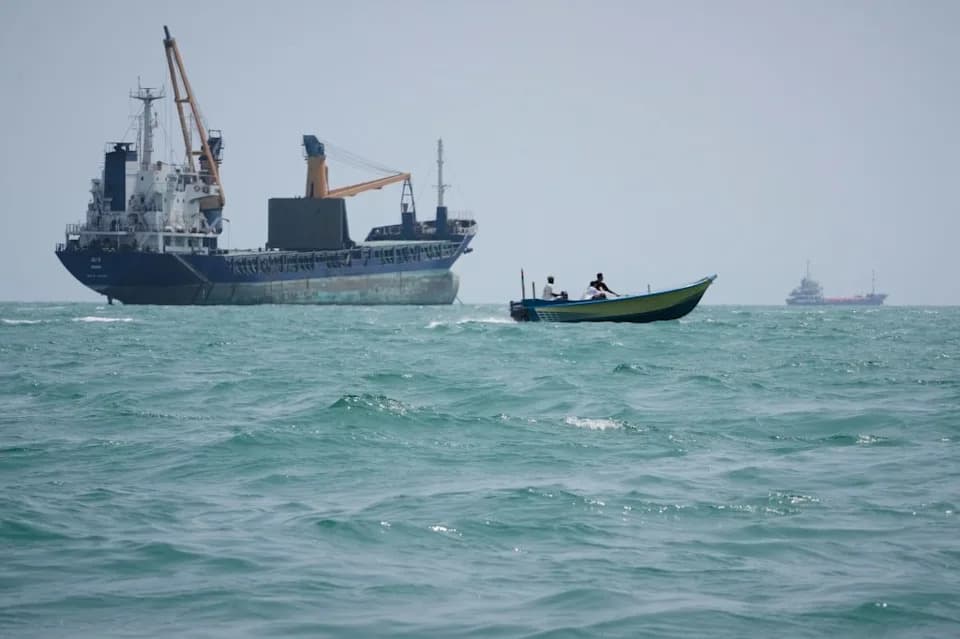
Friday’s sanctions also target roughly 40 shipping companies and tankers alleged to be part of the network that moves Iranian oil to global markets — often using a so-called “shadow fleet” that obscures origins and sometimes relabels shipments as coming from other countries such as Malaysia.
Treasury Warnings and Secondary Sanctions
Treasury Secretary Scott Bessent said the department will continue to tighten restrictions on the network of vessels, intermediaries and buyers Iran relies on to deliver oil abroad. Earlier in April, Treasury sent letters to banks in China, Hong Kong, the United Arab Emirates and Oman warning that they could face secondary sanctions for processing funds tied to Iranian oil.
“We will continue to constrict the network of vessels, intermediaries and buyers Iran relies on to move its oil to global markets,” Bessent said.
At a White House briefing on April 15, Bessent reiterated that the administration has informed countries that continued purchases of Iranian oil or holding Iranian funds in their banks could prompt application of secondary sanctions, a measure he described as “very stern.”
Regional Tensions and Market Impact
The sanctions come as the global energy trade is already strained by war in and around the Persian Gulf, where disruption to oil and natural gas shipments has pushed prices higher. The U.S. has also this month imposed a physical blockade on the Strait of Hormuz, a critical waterway for global energy flows. To limit price spikes, Treasury has issued temporary waivers on some Russian oil and a one-time waiver for Iranian oil already at sea.
The advocacy group United Against Nuclear Iran had previously identified Hengli as one of dozens of Chinese buyers of Iranian crude. Before the outbreak of the U.S.-Israeli war with Iran, China was the largest purchaser of Iranian oil, taking an estimated 80%–90% of Iran’s exports; much of that trade was reportedly facilitated by smaller independent processors and a shadow fleet of vessels.
Diplomatic Fallout
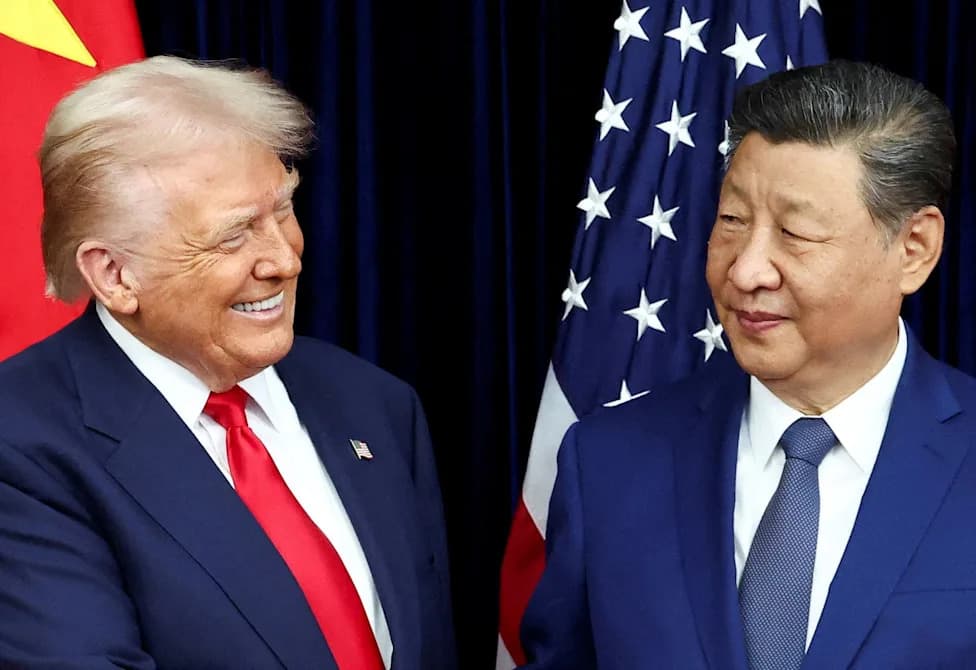
The sanctions arrive just weeks before a scheduled meeting between President Trump and Chinese leader Xi Jinping in China, underscoring the delicate balance between confronting Iran and managing U.S.-China relations. The Associated Press said it sought comment from Chinese officials. Beijing has criticized U.S. sanctions as undermining international trade rules, but many major Chinese companies and banks still comply with U.S. measures because of their exposure to the U.S.-dominated global financial system.
After an earlier U.S. penalty on a Chinese refinery, Liu Pengyu, a spokesman for China’s embassy in Washington, said the use of sanctions “undermines international trade order and rules, disrupts normal economic and trade exchanges, and infringes upon the legitimate rights and interests of Chinese companies and individuals.”
Help us improve.